

The Best Interpretation Of Light Guide Plate
Dec 18, 2024
Products Description
light Guide Plate
Rina Tech
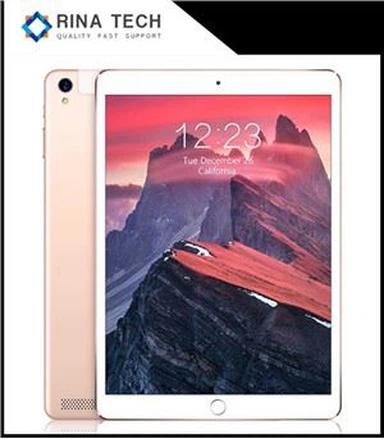
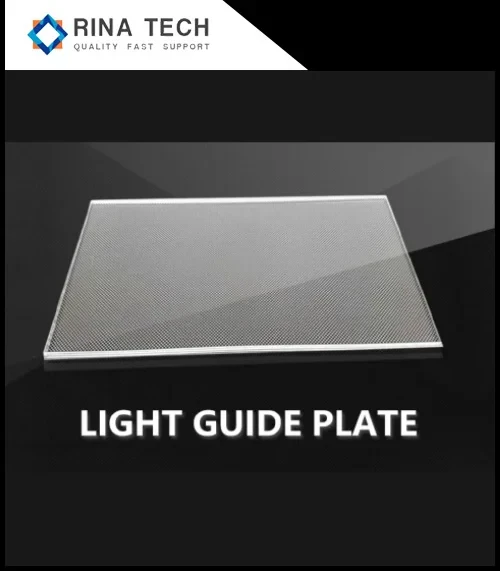
A light guide plate (LGP) is an optical component used in displays and lighting applications to direct and distribute light evenly. It typically consists of a transparent sheet, often made of acrylic or polycarbonate, with a patterned surface that helps to spread light from LEDs or other light sources across its surface. This technology is commonly found in devices like LCD screens, backlighting systems, and some types of lamps. The design of the LGP maximizes brightness and uniformity, improving visual quality and energy efficiency.
product formation
- flat: light guide plate from the light into the view of the rectangle.
- Wedge-shaped plate: from the light into the side of the view for a thick side for the thin side of the wedge (triangle) shape.
- printing type: light guide plate to complete the shape of the processing, to print the network printed on the reflective surface.
- non-printing type: the network in the light guide plate forming directly formed in the reflective surface. Also divided into chemical etching (Etching) precision mechanical engraving method (V-cut) light micro-shadowing (Stamper), internal diffusion
- Edge lit type: the light source (lamp or LED) will be placed in the side of the light guide plate
- molding: the application of injection molding machine will be optical grade PMMA particles using high temperature, high pressure injection into the mold,Cooling and forming
- Cutting and forming: The optical grade PMMA sheet is cut through the cutting process to complete the finished product.
3. Laser Etching: In this method, a laser is used to create patterns on the surface of the LGP. The precise control of laser parameters can produce intricate designs that enhance light diffusion and directionality, improving overall luminance.
4. Thermoforming: A heated sheet of plastic is formed over a mold to achieve the desired shape. This process is suitable for lower volume production and allows for quicker turnarounds compared to injection molding, though it may not achieve the same level of detail.
5. Printing Technologies: Techniques like screen printing or digital printing can be employed to apply patterns or coatings on LGPs. These methods can be used for adding functional features, such as light diffusion patterns or aesthetic designs, enabling customization.
6. Extrusion: In extrusion, plastic material is heated and forced through a die to create a continuous sheet. This method is suitable for producing long lengths of LGP but may require subsequent processes to achieve the final desired shape and features.
This process utilizes engraving or etching techniques to create linear patterns on the LGP's surface. The engraved lines help direct and distribute light more evenly across the plate. This method can enhance the control over light direction and intensity, making it effective for applications needing specific light patterns or effects.
3. Silk Screen Printing:
In this method, patterns or designs are applied to the LGP using a silk screen process. This allows for the addition of color and texture to the plate, enhancing its aesthetic qualities and light diffusion properties. Silk screen printing is relatively cost-effective for large production runs, enabling customization while maintaining good uniformity.
4. Non-Silk Screen Printing (Digital Printing):
This technique involves using digital printing methods to apply designs directly onto the LGP. It offers high flexibility and is suitable for low to medium production volumes. Non-silk screen printing allows for more intricate designs and color variations, making it ideal for applications where rapid prototyping and customization are needed.
5. Nano Plates (Nano-structured Plates):
Nano plates utilize nanostructures embedded within or on the surface of the LGP to manipulate light at a microscopic level. This technology can enhance light extraction efficiency, improve brightness, and allow for unique optical properties like angle-dependent brightness. Nano-structured LGPs are at the forefront of light guiding technology, offering improved performance and energy efficiency, especially in compact applications.
application scenarios
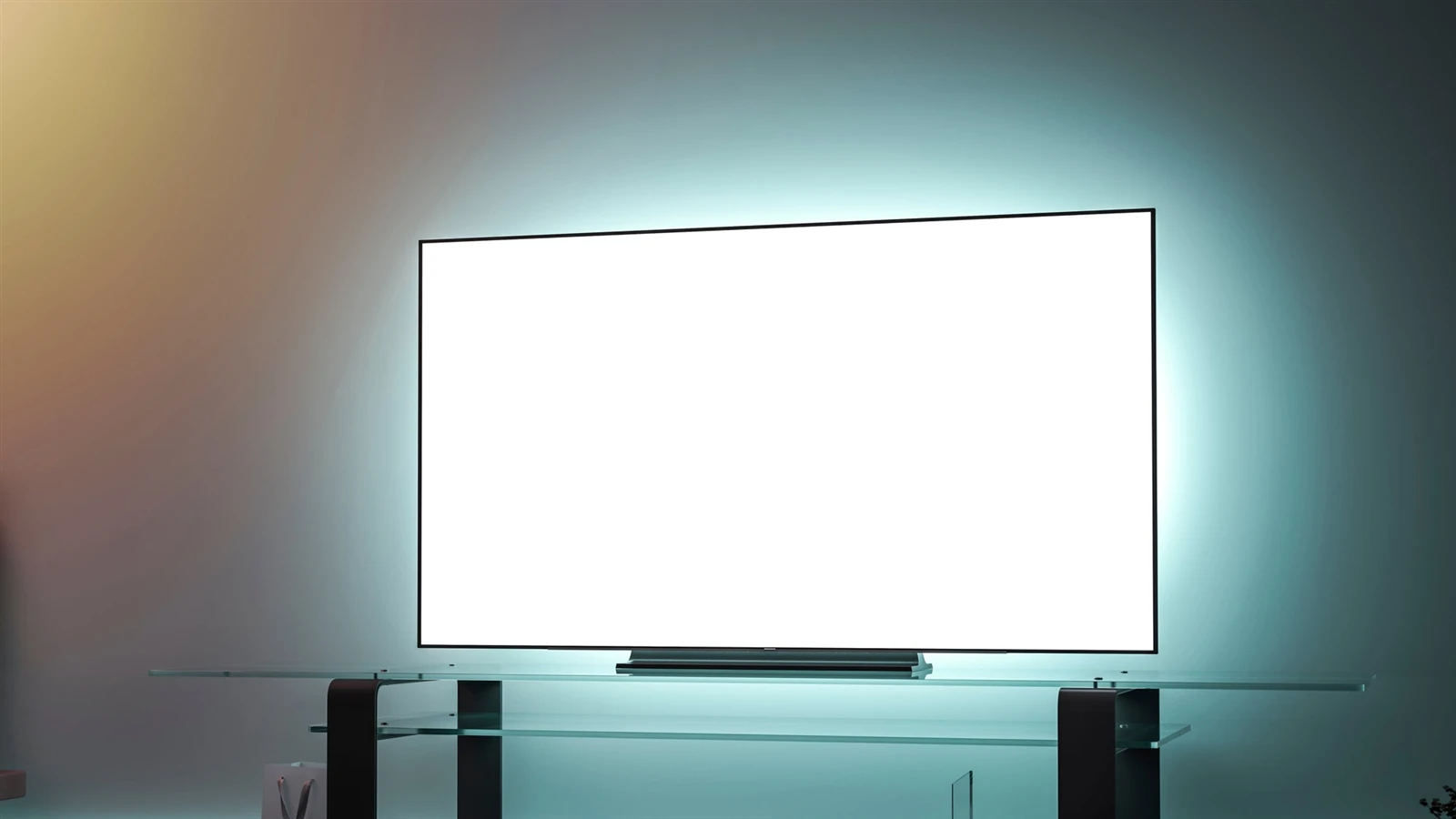
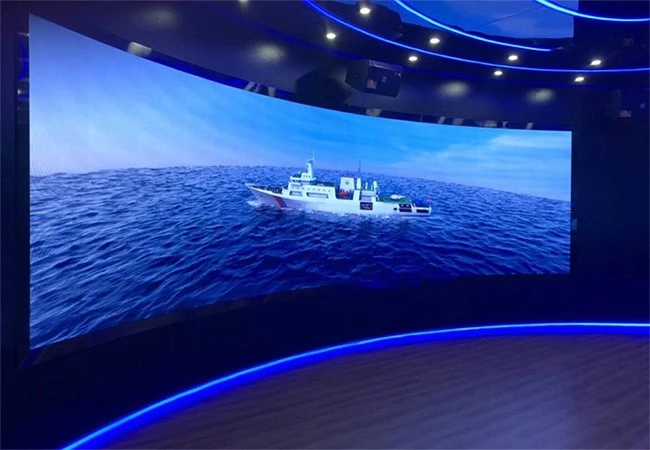
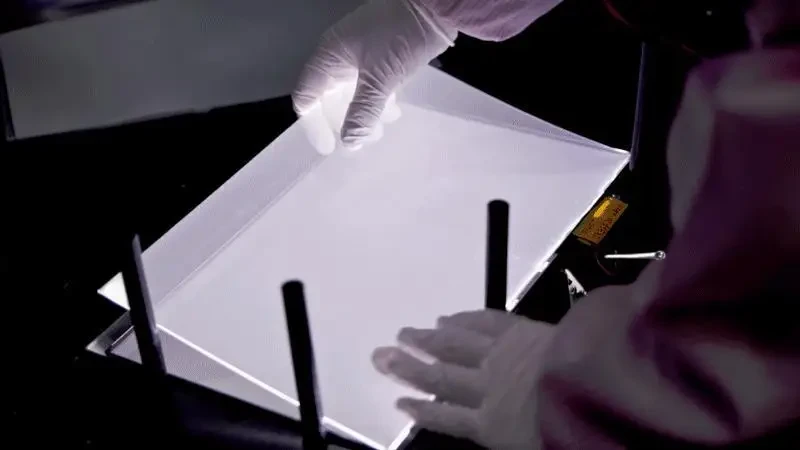
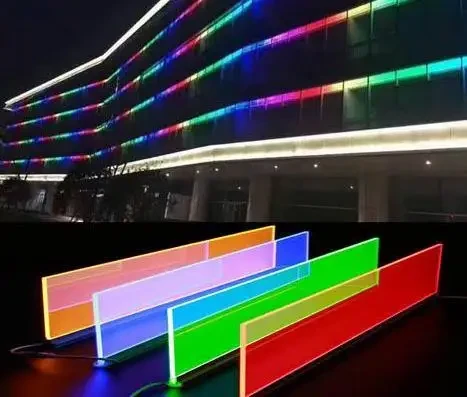

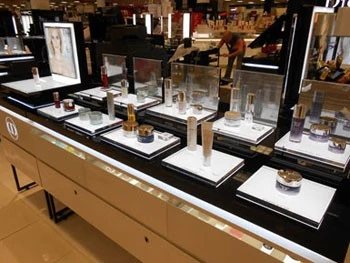
1. LCD Displays: LGOs are widely used in liquid crystal displays (LCDs) to evenly distribute backlighting from LEDs. This helps achieve uniform brightness and improved visual quality in screens found in televisions, monitors, and smartphones.
2. Lighting Fixtures: In architectural and general lighting, LGOs are employed to create even illumination in environments such as offices, homes, and retail spaces. They help enhance aesthetics while ensuring that light is distributed uniformly.
3. Automotive Lighting: LGOs are used in car headlights, taillights, and interior lighting to optimize light distribution and improve visibility. They can enhance safety by providing better illumination in various driving conditions.
4. Signage and Displays: In advertising and promotional displays, LGOs help achieve bright and eye-catching visual effects. They are commonly used in illuminated signs, billboards, and point-of-sale displays, attracting more attention from customers.
5. Medical Devices: LGOs are employed in medical imaging devices and diagnostic equipment to provide consistent lighting conditions, crucial for accurate readings and enhancing visibility during procedures.
marketing channel
1. LG Display: A leading manufacturer of display technologies, LG Display produces a wide range of LGPs primarily for LCD screens and backlighting applications.
2. 3M: Known for its innovative materials, 3M provides optical films and light guide solutions that enhance light uniformity and efficiency in various lighting applications.
3. Avery Dennison: This company manufactures LGPs and other optical components, specializing in custom solutions for signage and display applications.
4. Mitsubishi Plastics: They offer a variety of LGPs and optical film products designed for enhancing display performance and backlighting efficiency.
5. Toray Industries: Toray produces LGPs, optical films, and other materials aimed at improving lighting efficiency and display quality for electronics.
6. Saint-Gobain: Known for its wide range of materials, Saint-Gobain manufactures specialized optical components, including LGPs for diverse applications in lighting and display technologies.
7. Fujifilm: This company produces various optical materials, including LGPs, that are used in displays and lighting solutions.
8. Polymer Technologies: They provide custom LGP solutions along with related products for LED lighting and display applications.
9. ClearView: They specialize in producing high-quality LGPs for various industries, including automotive, medical, and consumer electronics.
In conclusion, light guide plates (LGPs) represent a crucial advancement in optical technology, enhancing the performance of various lighting and display applications. With their ability to provide uniform light distribution, improve visual quality, and optimize energy efficiency, LGPs are indispensable components in modern electronics, from LCD screens to innovative lighting solutions. As manufacturing techniques continue to evolve, we can expect further improvements in design flexibility and performance, ensuring that LGPs remain at the forefront of visual technology. Whether in consumer electronics, automotive lighting, or architectural applications, LGPs will undoubtedly play a significant role in shaping the future of illumination and display systems.