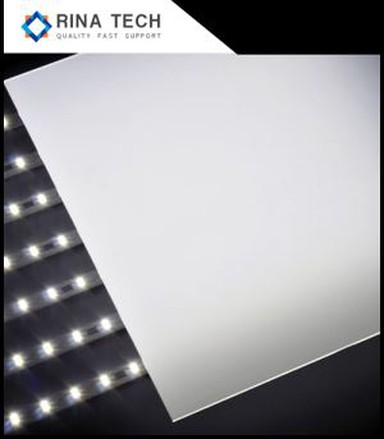

Why Is It Widely Used Of LED Backlight ?
Dec 17, 2024

1. Lighting Fixtures: LEDs are used in panel lights, troffers, and downlights to provide efficient and adjustable ambient lighting in residential and commercial spaces.
2. Specialty Lighting: LED backlight is used in applications such as architectural lighting, retail displays, and accent lighting to create visually appealing environments.
3. Photography and Video: LED panels and light boxes, which use LED backlighting, are employed in photography and videography for additional lighting.
4. Medical Devices: Many medical displays, including monitors and imaging devices, use LED backlighting for clarity and accuracy of vital information.
5. Consumer Appliances: Appliances like refrigerators and ovens may feature LED backlit displays for user interfaces that are easy to read.


1. High Brightness and Uniformity RINATECH LED backlighting plates often provide high brightness levels, ensuring clear and vivid displays even in well-lit environments.
2. Energy Efficiency RINATECH LED products are generally designed to be energy efficient, reducing power consumption compared to traditional lighting methods.
3. Long Lifespan RINATECH LED backlight are engineered for durability, often boasting a lifespan of around 30,000 to 50,000 hours. This longevity means less frequent replacements, which can be particularly advantageous for commercial applications. Low Heat Generation LED technology typically generates less heat than other lighting solutions, contributing to the overall longevity of the display and reducing the need for extensive cooling solutions.
4. Customizable Options RINATECH often offers customization options for their LED backlight solutions, allowing clients to select specifications tailored to their specific needs. Options may include different color temperatures, brightness levels, and configurations (e.g., edge-lit vs. direct-lit).
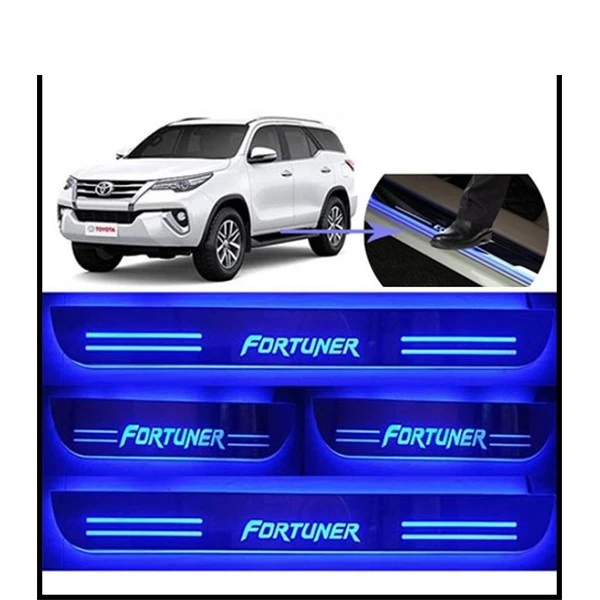
successful Cases for LED backlight



Youtube video of LED backlight
FAQ
Q: How to choose led backlighting plate ?
1. Compatibility: Device Type: Ensure the backlighting plate is compatible with your display device, whether it's a monitor, TV, or other electronics.
2. Brightness (cd/m²): Look for backlighting plates that provide adequate brightness for your environment. Higher brightness levels are ideal for well-lit areas.
3. Color Accuracy and Gamut: Consider plates that offer wider color gamuts (like sRGB or Adobe RGB) for better color reproduction. This is particularly important for graphic design and photo editing.
4. Type of LED: Edge-Lit vs. Direct-Lit: Edge-lit backlighting is thinner and can be beneficial for slim designs, while direct-lit often offers better uniformity and brightness.
5. Energy Efficiency: Look for energy-efficient models that consume less power, helping to lower your energy bills and supporting longer usage.
6. Quality and Brand Reputation: Research reputable brands known for quality and reliability. Read user reviews and professional assessments to gauge performance.
7. Warranty and Support: Choose manufacturers that offer solid warranties and customer support to assist you if any issues arise with the product.
8. Installation Requirements: Check if the backlighting plate requires special installation tools or expertise. Some options may come with easy installation kits, while others might need professional help.
9. Specific Features: Consider any additional features you might want, such as dimming capabilities, color temperature adjustments, or smart controls.
Q: What are the different types of LED backlighting plate ?
A: LED backlighting plates are commonly categorized based on their array configurations and technologies. Here are the main types: 1. Edge-Lit LED Backlighting Description: LEDs are placed along the edges of the display panel. Light is distributed across the LCD panel using a light guide plate (LGP). Advantages: Allows for thinner displays and is often less expensive to produce. 2. Direct-Lit LED Backlighting Description: LEDs are placed directly behind the LCD panel, providing uniform illumination. Advantages: Better brightness consistency and improved contrast. It allows for local dimming, where specific areas of the screen can be dimmed for better black levels. 3. Full-Array Local Dimming (FALD) Description: A type of direct-lit LED backlighting with multiple zones of LEDs that can be independently dimmed. Advantages: Significantly enhances contrast ratios and improves black levels compared to standard direct-lit displays. Summary Each type of LED backlighting plate has its unique characteristics, making them suitable for different applications. The choice depends on factors such as cost, desired display quality, form factor, and intended use. If you're interested in any specific type or application, let me know!
Q: Is LED backlighting plate good for eyes ?
A: LED backlighting plates have a number of characteristics that can influence eye comfort, both positively and negatively. Here are some points to consider: 1. Reduced Flicker: Many modern LED displays use techniques to minimize flickering, which can strain the eyes. Some technologies like PWM (Pulse Width Modulation) can cause flicker, but higher-quality displays often mitigate this issue. 2. Adjustable Brightness: LED displays typically allow users to adjust brightness levels, which can help reduce glare and eye strain, especially in low-light environments. 3. Energy Efficiency: LEDs are more energy-efficient than traditional bulbs, producing less heat. This can contribute to a more comfortable viewing environment since the displays don't heat up as much. 4. Lower Blue Light Emission Options: Many LED screens offer settings to reduce blue light emission, which can help reduce eye strain and improve sleep quality when using screens for extended periods.
Q: How to produce LED backlighting plate ?
A: Producing an LED backlighting plate involves several key steps, from the selection of materials to the assembly and testing of the final product. Below is a generalized overview of the process: 1. Material Selection LEDs: Choose appropriate LEDs based on brightness, color temperature, and efficiency. Common choices include white LEDs or RGB LEDs for color adjustments. 2. Light Guide Plate (LGP): Typically made from acrylic or polycarbonate, the LGP helps to distribute light evenly across the surface of the display. 3. Diffuser: A diffusing layer made of materials like PMMA (Polymethyl methacrylate) or other plastics, which helps to reduce glare and ensures uniform light distribution. 4. Layout Design: Create a layout of the LED positions (in edge-lit or direct-lit configurations) and design the LGP to channel light efficiently. Use software for optical simulations to optimize light distribution and reduce hot spots. 5. Thermal Management: Consider the thermal properties of the design, as LEDs emit heat which can affect performance and longevity. 6. Manufacturing the Components LGP Fabrication: Cutting: Sheets of acrylic or polycarbonate are cut into the desired shape and size. Frosting: The surface may be treated or sanded to create a matte finish that enhances light Diffusion. Micro-structuring: Creating micro-patterns on the surface of the LGP can improve light extraction efficiency. Diffuser and Reflector Fabrication: Cutting and Shaping: Prepare the diffuser sheets and any reflector mechanisms needed to guide light effectively. 7. LED Mounting LED Placement: In edge-lit designs, the LEDs are mounted along the edges of the LGP. For direct-lit designs, they are positioned behind the LGP in an array. Adhesive Bonding: Use adhesive or mechanical clips to securely fasten LEDs to the back of the LGP or directly onto the frame. 8. Assembly Layer: Sequential Layering: Stack the LGP, diffuser, and any reflectors in the correct order within a frame or enclosure. Wiring: Connect the LEDs to a driver circuit, ensuring proper voltage and current specifications. This may include soldering or using connectors to facilitate easy assembly. 9. Testing Functional Testing: Power the backlighting system to check for functionality and uniformity of light distribution. Look for any hot spots or dark areas. Thermal Testing: Ensure that the LEDs operate within their specified temperature ranges to avoid overheating. Quality Control: Inspect all components for defects and ensure they meet quality standards before final packaging. 10. Packaging Final Packaging: Once tested, the LED backlighting plates are packaged for distribution, including any necessary user manuals or installation guides. Producing LED backlighting plates combines engineering design, optical science, and manufacturing processes. The complexity of the process can vary based on the specific application and technology used (e.g., edge-lit vs. direct-lit). Companies typically invest in specialized machinery and software to streamline production and ensure consistent quality. If you want details on specific steps or technologies used in manufacturing LED backlighting plates, feel free to ask!
Q: How to know if LED backlighting plate suitable to my project ?
A: Determining if an LED backlighting plate is suitable for your project involves evaluating several key factors related to your specific needs and requirements. Here's a step-by-step guide to help you assess the suitability: 1. Project Requirements Display Size and Thickness: Measure the size of the display you intend to backlight. Ensure the thickness of the backlighting plate fits within your design specifications, especially for thin devices. Form Factor: Confirm that the shape and design of the backlighting plate match your application (e.g., rectangular, rounded edges, etc.). 2. Brightness and Luminosity Lumen Output: Check the lumen output of the LED backlighting plate to ensure it's sufficient for your application. Consider the environment where it will be used (bright rooms vs. dim settings). Uniformity: Look for specifications on light distribution and uniformity. Uneven illumination can affect the display's visual quality. 3. Color Temperature and Quality Color Rendering: Assess the LED's color temperature (measured in Kelvin). Depending on the application, you may need a cooler (higher K) or warmer (lower K) light. Color Consistency: Ensure that the color output is consistent across the plate, especially important for color-critical applications like design work. 4. Energy Efficiency Power Consumption: Check the power requirements of the backlighting plate. Make sure it aligns with your project's energy efficiency goals. Heat Generation: Consider how much heat the LEDs generate and how it will be managed within your design. 5. Driver Compatibility LED Driver Requirements: Ensure that you have or can obtain an appropriate LED driver that matches the voltage and current specifications of the backlighting plate. Dimmer Support: If your project requires dimming capabilities, confirm that the driver and LEDs support this functionality. 6. Durability and Lifespan Life Expectancy: Look for the rated lifespan of the LEDs (often 30,000 to 50,000 hours). This is important for maintenance and replacement considerations. Operating Temperature Range: Check the operational temperature range to ensure it suits your project environment.
Q: What's advantage of RINATECH LED backlighting plate ?
A: RINATECH is known for producing various LED lighting solutions, including LED backlighting plates. While specific advantages can vary based on the model and application, here are some potential benefits commonly associated with RINATECH LED backlighting plates: 1. High Brightness and Uniformity RINATECH LED backlighting plates often provide high brightness levels, ensuring clear and vivid displays even in well-lit environments. The technology typically ensures uniform light distribution, reducing hot spots and ensuring consistency across the display area. 2. Energy Efficiency RINATECH LED products are generally designed to be energy efficient, reducing power consumption compared to traditional lighting methods. This efficiency can lead to lower operational costs over time, making them an economical choice in the long run. 3. Long Lifespan RINATECH LED backlighting plates are engineered for durability, often boasting a lifespan of around 30,000 to 50,000 hours. This longevity means less frequent replacements, which can be particularly advantageous for commercial applications. 4. Compact Design Many RINATECH LED backlighting plates feature a slim and lightweight design, making them suitable for thin and portable devices. This can be significant for modern applications where space is limited and sleek aesthetics are desired. 5. Low Heat Generation LED technology typically generates less heat than other lighting solutions, contributing to the overall longevity of the display and reducing the need for extensive cooling solutions. 6. Customizable Options RINATECH often offers customization options for their LED backlighting solutions, allowing clients to select specifications tailored to their specific needs. Options may include different color temperatures, brightness levels, and configurations (e.g., edge-lit vs. direct-lit). 7. Environmentally Friendly RINATECH LEDs are usually free from hazardous substances like mercury, making them more environmentally friendly compared to traditional fluorescent backlighting. 8. Versatile Applications These backlighting plates are applicable in a wide range of devices, including TVs, monitors, and other display technologies, making them a versatile option for various industries. 9. Technical Support and Reliability RINATECH typically provides good customer support and warranty options, ensuring reliability for users and addressing issues that may arise. The specific advantages of RINATECH LED backlighting plates can vary by model and project requirements, but their high brightness, energy efficiency, durability, and compact design are common selling points. If you're considering RINATECH products for a specific application, it's beneficial to look into product reviews, specifications, and directly consult their technical support for tailored solutions. If you have more specific needs or applications, feel free to share!
Q: How do you deliver LED backlighting plate ?
A: Delivering an LED backlighting plate involves a series of steps to ensure that the product is transported safely and efficiently from the manufacturer or supplier to the end user or installation site. Here's an overview of how this process usually works: 1. Packaging Protective Packaging: The LED backlighting plates are carefully packaged using protective materials to prevent damage during transit. This typically includes: Bubble Wrap or Foam: To cushion the plates and prevent impact damage. Cardboard Boxes: Sturdy boxes that can withstand stacking and rough handling. Foam Inserts: Customized foam inserts may be used to keep the plates securely in place within the packaging. Labeling: Packages are labeled clearly with information such as handling instructions, product details, and shipping addresses to ensure proper handling and delivery. 2. Transportation Method Shipping Options: Depending on the distance, urgency, and cost considerations, different shipping options may be used, including: Air Freight: For faster delivery, especially for international shipments or urgent orders. Ground Shipping: Often used for local or regional deliveries, typically more cost-effective than air freight. Freight Services: For bulk orders, specialized freight services may transport larger quantities, which could involve semi-trucks or freight carriers. 3. Delivery Logistics Order Fulfillment: Once an order is placed, the warehouse or manufacturer prepares the order for shipment. This involves picking, packing, and labeling the products. Tracking: Many suppliers provide tracking information so that customers can monitor the status of their shipment in real-time. This is beneficial for ensuring timely delivery and planning. 4. Customs and Import Regulations (for International Shipping) Documentation: Ensure that all necessary customs documentation is prepared if the delivery involves international shipping. This includes invoices, shipping labels, and customs declarations. Duties and Tariffs: Be aware of any duties or tariffs that may apply to the import of electronic components in the destination country. 5. Receiving the Shipment Inspection Upon Arrival: Once the LED backlighting plates arrive, it's essential to inspect them for any damage or defects. Check that the correct quantity and type of products were delivered. Reporting Issues: If there are any issues (e.g., damage or incorrect items), notify the supplier immediately according to their return or exchange policy. 6. Installation and Usage Installation Guidelines: Suppliers often provide installation instructions or guidelines to facilitate proper installation of the LED backlighting plates. Technical Support: Many suppliers offer technical support for installation or troubleshooting post-delivery. Conclusion The delivery process of LED backlighting plates includes careful packaging, selection of transportation methods, and management of logistics to ensure safe and timely delivery to the end user. If you have a specific scenario or delivery requirements in mind, please share, and I can provide more tailored information!
Q: Why choose RINATECH for LED backlighting plate ?
A: Choosing RINATECH for LED backlighting plates can offer various advantages depending on your specific needs and project requirements. Here are some compelling reasons to consider RINATECH as your supplier: 1. Quality and Reliability High Standards: RINATECH is known for adhering to strict quality control protocols, ensuring that their LED backlighting plates are reliable and durable. Consistency: Consistent performance in brightness and color consistency is often emphasized, which is crucial for display applications. 2. Energy Efficiency RINATECH tends to focus on producing energy-efficient LED solutions, which can significantly reduce operating costs and environmental impact over time. Their products typically consume less power while still providing excellent performance. 3. Customizable Solutions Customization options are often available, allowing you to tailor the LED backlighting plate specifications such as size, brightness, and color temperature to suit your specific application needs. 4. Advanced Technology RINATECH frequently incorporates the latest LED technologies in their products, such as high-brightness LEDs, mini-LED, and efficient light guide structures, allowing for superior performance in various lighting conditions. 5. Competitive Pricing RINATECH often offers competitive pricing without compromising quality, making their products a cost-effective choice for various projects, from consumer electronics to industrial applications. 6. Positive Customer Reviews and Reputation RINATECH generally has positive reviews from customers who praise their products' performance and reliability, contributing to a strong reputation in the marketplace. Choosing RINATECH for your LED backlighting plates can be a smart decision due to their commitment to quality, energy efficiency, customization options, and strong support. If you're evaluating specific models or applications, consider reaching out to RINATECH for detailed product specifications and support tailored to your project's needs. If you want to discuss a particular aspect or have additional questions, feel free to ask!