

What Is A Prism Film?
Dec 18, 2024
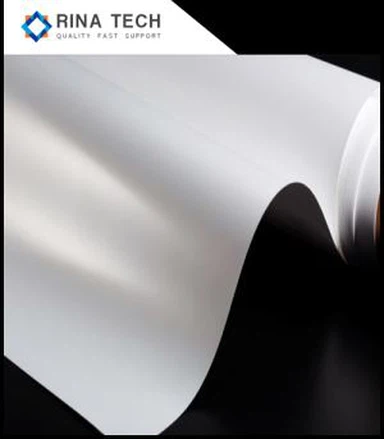
Do you know what is prism sheet?
In the ever-evolving world of display technologies and optical systems, prism film has emerged as a revolutionary product that harnesses the properties of light to enhance performance and efficiency. Crafted with precision engineering, prism film offers a unique solution to the challenges faced by display manufacturers, lighting designers, and optical engineers.
At the core of prism film's capabilities is its ability to redirect and control the flow of light. Composed of a series of precisely engineered microscopic prisms, this innovative material manipulates the path of light, bending and refracting it in specific directions. This precise light management unlocks a world of possibilities, transforming how we experience visual information and interact with our surroundings.
In display applications, prism film plays a vital role in improving the clarity, contrast, and brightness of LCD, OLED, and other display technologies. By redirecting light, prism film enhances the viewing angles, reduces glare, and delivers a more immersive and comfortable viewing experience, even in challenging lighting conditions. This makes prism film an essential component in the quest for superior visual quality in laptops, televisions, smartphones, and a wide range of digital displays.
Beyond display applications, prism film finds its versatility in the world of lighting. By strategically directing the flow of light, prism film can optimize the distribution and efficiency of illumination, transforming the way we design and experience indoor and outdoor lighting systems. From energy-efficient LED fixtures to innovative architectural lighting solutions, prism film is the catalyst that enables designers to create captivating and visually striking environments.
Underpinning the remarkable capabilities of prism film is a commitment to engineering excellence and a deep understanding of the science of optics. Manufactured with the utmost precision and quality control, prism film ensures reliable performance and long-lasting durability, making it a trusted choice for a wide range of applications.
As the demand for enhanced visual experiences and efficient lighting solutions continues to grow, prism film stands as a testament to the power of innovative materials and their ability to redefine the boundaries of what's possible. Embrace the transformative potential of prism film and unlock a new era of visual clarity, energy efficiency, and design excellence.

How are prism film produced?
Prism film is produced through a multi-step manufacturing process that involves carefully engineered techniques to create the precise microstructures required for effective light redirection. Here's a detailed overview of the production process for prism film:
1. Substrate Preparation:
- The foundation of prism film is a thin, transparent substrate material, typically made of polymers like polyethylene terephthalate (PET) or polycarbonate (PC).
- The substrate undergoes thorough cleaning and surface treatment to ensure optimal adhesion and optical properties.
2. Microstructure Embossing:
- The key to prism film's light-redirecting capabilities is the precise microstructure formed on the substrate surface.
- This microstructure is created through a specialized embossing or molding process, where a master template with the desired prism pattern is pressed into the substrate material.
- The embossing process must be carefully controlled to ensure the accurate replication of the microstructure, including the prism angle, depth, and spacing.
3. Optical Coatings:
- To enhance the optical performance of the prism film, additional coatings may be applied to the embossed surface.
- These coatings can include anti-reflective layers, protective hard coats, or even reflective layers to further optimize the light management capabilities.
- The deposition of these coatings is typically done using techniques like vacuum evaporation, sputtering, or wet-chemical processes.
4. Thermal and Mechanical Treatment:
- Depending on the specific requirements of the application, the prism film may undergo additional thermal or mechanical processing.
- This can include steps like annealing, stretching, or lamination to improve the film's mechanical properties, dimensional stability, or optical performance.
5. Quality Control and Inspection:
- Throughout the manufacturing process, the prism film is subjected to rigorous quality control and inspection procedures.
- This includes optical, mechanical, and environmental testing to ensure that the final product meets the required specifications and performance standards.
6. Slitting and Packaging:
- After the completion of the production steps, the prism film is slit into the desired widths and lengths to match the specific application requirements.
- The cut prism film is carefully packaged, often in protective, anti-static materials, to prevent any damage during transportation and storage.
- The packaged prism film is then delivered to the end-users or integrators for incorporation into their products or systems.
The precision and attention to detail in the prism film manufacturing process are crucial to achieving the high-performance light management capabilities required by various applications, from displays and lighting to specialized optical systems.

In what scenarios can prism sheet be used?
Prism film, also known as prism sheet, has a wide range of applications across various industries and sectors. Here are some of the key application scenarios for prism film:
1. Display Technologies:
- Prism film is extensively used in display panels for laptops, televisions, computer monitors, and other electronic devices.
- By precisely redirecting the light, prism film can enhance the brightness, contrast, and viewing angles of LCD, OLED, and other display technologies.
- This improvement in visual performance helps to create more immersive and comfortable viewing experiences, especially in environments with high ambient light.
2. Backlighting and Illumination:
- Prism film is a crucial component in the design of backlight units for display panels, where it helps to optimize the distribution and efficiency of the illumination.
- By controlling the direction of light, prism film can create a more uniform and evenly distributed backlight, improving the overall brightness and visual quality of the display.
- Beyond displays, prism film can also be used in general lighting applications, such as LED fixtures and lamps, to enhance the distribution and directionality of the light output.
3. Architectural and Lighting Design:
- Prism film can be incorporated into architectural and interior design applications to manage the flow of natural and artificial light.
- By strategically placing prism film on windows, skylights, or lighting fixtures, designers can control the distribution and intensity of light, creating visually appealing and energy-efficient spaces.
- Prism film can also be used in outdoor lighting applications, such as streetlights and landscape lighting, to optimize the directionality and coverage of the illumination.
4. Automotive Applications:
- Prism film can be used in automotive applications, such as headlamps, taillights, and interior lighting, to enhance the visibility and design of the lighting systems.
- By precisely controlling the light output, prism film can improve the beam patterns, reduce glare, and create unique lighting effects that contribute to the overall aesthetic and functionality of the vehicle.
5. Specialized Optical Systems:
- Prism film finds applications in specialized optical systems, such as those used in medical imaging, scientific instrumentation, and military/defense applications.
- In these scenarios, prism film can be used to manipulate the path of light in ways that improve the performance, efficiency, and functionality of the optical system.
The versatility of prism film, coupled with its ability to precisely control and redirect light, makes it a valuable component across a wide range of industries, from consumer electronics and architectural design to specialized technical applications.

What should be pay attention to when using prism film?
When using prism film, there are several key considerations and factors to pay attention to in order to ensure optimal performance and successful integration into various applications. Here are the main points to keep in mind:
1. Optical Properties:
- Carefully evaluate the optical characteristics of the prism film, such as its refractive index, prism angle, and light transmission/reflection properties.
- Ensure that the prism film's optical performance matches the specific requirements of the application, whether it's display enhancement, lighting optimization, or specialized optical systems.
2. Dimensional Accuracy:
- Prism film relies on the precise microstructure of its surface to achieve the desired light redirection.
- Ensure that the prism film maintains the necessary dimensional accuracy and consistency, as any variations in the prism geometry can affect the overall optical performance.
3. Thermal and Environmental Stability:
- Prism film may be exposed to varying environmental conditions, such as temperature, humidity, or UV radiation, depending on the application.
- Evaluate the thermal and environmental stability of the prism film to ensure that its optical and mechanical properties remain consistent over the expected lifetime of the product or system.
4. Mechanical Integrity:
- Prism film must be able to withstand any physical stresses or handling during the manufacturing, assembly, and end-use processes.
- Consider the film's flexibility, tensile strength, and resistance to scratches or abrasions to maintain the integrity of the prism microstructure.
5. Compatibility with Other Components:
- Prism film is often integrated with other components, such as display panels, lighting systems, or optical elements.
- Ensure that the prism film is compatible with the materials, adhesives, and manufacturing processes used in the larger system to avoid any potential compatibility issues or performance degradation.
6. Installation and Handling:
- Proper installation and handling of the prism film are crucial to preserving its optical and mechanical properties.
- Provide clear guidelines and training for the handling, cutting, and application of the prism film to minimize the risk of damage or defects.
7. Quality Control and Testing:
- Implement rigorous quality control measures and testing procedures to ensure the consistent performance of the prism film throughout the manufacturing and integration processes.
- Regular inspections and optical, mechanical, and environmental testing can help identify any issues or deviations from the specified requirements.
By paying close attention to these key considerations, users and integrators of prism film can ensure successful and reliable performance in a wide range of applications, from display technologies and lighting systems to specialized optical solutions.