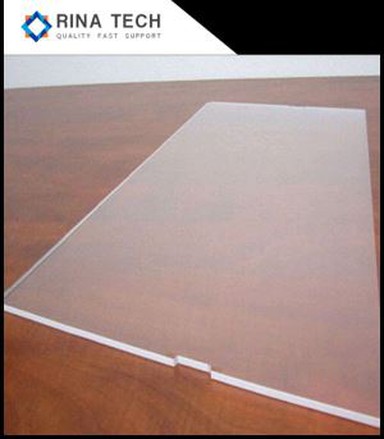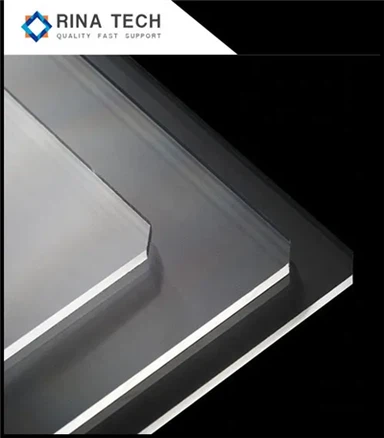


The Best Reflector Sheet For Laptop Repair
Mar 07, 2025
What is the material composition of the Reflector Sheet?
1.Base Material: This provides the structural support for the reflector sheet. Common base materials include:
- Polyester (PET) film: Offers good mechanical strength, thermal stability, and is relatively inexpensive.
- Polycarbonate (PC) film: Provides higher heat resistance and impact strength compared to PET.
- Acrylic (PMMA) film: Offers excellent optical clarity.
2. Reflective Coating: This is the layer that actually reflects the light. Common reflective coatings include:
- Silver (Ag): Provides the highest reflectivity across the visible spectrum. However, it's prone to tarnishing, so it's usually protected by other layers.
- Aluminum (Al): A more cost-effective option with good reflectivity, and it's less susceptible to corrosion than silver.
- Multilayer Dielectric Films: These consist of alternating layers of materials with different refractive indices, designed to reflect specific wavelengths of light with high efficiency.
3. Protective Coating/Layer: This protects the reflective layer from damage and degradation.
- Transparent polymers: Acrylics, urethanes, or other clear coatings can be used.
- Hardcoats: These provide scratch resistance.
4. Diffusion Layer (optional): Some reflector sheets include a diffusion layer to scatter the reflected light and improve uniformity. This can be achieved by:
- Adding particles to the coating: Tiny particles with a different refractive index than the surrounding material scatter the light.
- Texturing the surface: Creating a micro-rough surface can diffuse the reflected light.


What computer repair situations require the use of reflectors Sheet?
1. Insufficient or Uneven Backlight Brightness:
- Aging: After prolonged use, the reflector sheet may age, yellow, or lose its reflective properties, leading to a decrease in backlight brightness or uneven brightness distribution.
- Damage: During disassembly or repair, the reflector sheet can be scratched, torn, or contaminated, affecting its reflective performance.
2. Replacing Backlight Lamps or LED Strips:
- When replacing aging lamps or LED strips, it may be necessary to disassemble the backlight module. If the reflector sheet is damaged during this process, it will need to be replaced.
- Sometimes, to improve the backlight performance after replacement, it may be chosen to replace the reflector sheet at the same time.
3. Screen Repair or Replacement:
- If the LCD screen needs to be repaired or replaced for other reasons, such as a broken panel, the reflector sheet may be damaged during disassembly.
- When replacing a new LCD panel, it may be necessary to transfer the reflector sheet from the old backlight module to the new panel, or to replace it with a new reflector sheet.
4. DIY or Modification:
Some computer enthusiasts may engage in DIY or modifications, such as replacing the backlight module to increase brightness or improve color. In this case, new reflector sheets may be needed to optimize the backlight effect.
In summary: Reflector sheets are primarily used in the backlight modules of LCD screens. They may be needed or replaced when the backlight brightness is insufficient or uneven, or during situations such as replacing backlight lamps/LED strips, screen repair/replacement, DIY/modifications. Their function is to maximize light utilization and brightness uniformity for a better display.
What kind of person is suitable for bulk purchase of Reflector Sheet?
1. LCD/LED Screen Manufacturers: This is the largest consumer group of reflector sheets, using them in backlight modules to increase brightness and uniformity.
2. Lighting Equipment Manufacturers: Manufacturers of various lighting equipment, such as LED lamps, light boxes, billboards, etc., need reflector sheets to improve lighting efficiency.
3. Automotive Component Manufacturers: Those who produce automotive dashboards, headlights, and other components that require backlighting or illumination will use reflector sheets.
4. Electronics Repair Service Providers: For repair service providers who need to replace or repair LCD/LED screens, purchasing reflector sheets in bulk can reduce costs.
5. Architectural Decoration Companies: In interior and exterior lighting design, using reflector sheets can improve lighting effects and increase energy utilization.
6. Research Institutions and Universities: Some research projects may require reflector sheets with specific specifications or performance, necessitating bulk purchases.
7. Wholesalers and Distributors: They purchase reflector sheets in bulk from manufacturers and then distribute them to other customers.
8. Solar Energy Equipment Manufacturers: In some solar concentrator systems, reflector sheets can be used to improve light energy utilization.
9. Specialty Lighting Applications: For example, stage lighting, medical lighting, etc., may require specific types of reflector sheets to meet special needs.
What are the benefits of using reflector sheet?
1. Increased Brightness: Reflector sheets can reflect light that would otherwise be lost back to the area that needs illumination, thereby increasing overall brightness. This is especially important in backlight modules, making the screen display brighter and clearer.
2. Improved Brightness Uniformity: By evenly reflecting light, reflector sheets can reduce hotspots and dark areas, making the illumination more uniform. This is crucial for devices requiring high-quality displays, such as LCD monitors.
3. Increased Light Utilization Rate: Reflector sheets can reduce light loss within the system, allowing more light to be used for illumination or display, thereby increasing the overall light utilization rate.
4. Reduced Power Consumption: Because light utilization is improved, the same brightness requirements can be achieved with lower power light sources, thus reducing power consumption.
5. Cost Savings: By improving light utilization and reducing power consumption, reflector sheets can help save energy and material costs.
6. Improved Optical Performance: Some reflector sheets have special optical properties, such as diffuse reflection or specular reflection, which can be used to adjust the direction and angle of light propagation as needed, thereby improving overall optical performance.
7. Extended Equipment Lifespan: By reducing the power demand and heat generation of the light source, reflector sheets can help extend the lifespan of the equipment.
8. Enhanced Contrast: In some applications, reflector sheets can improve the contrast of images, making them sharper and more vivid.