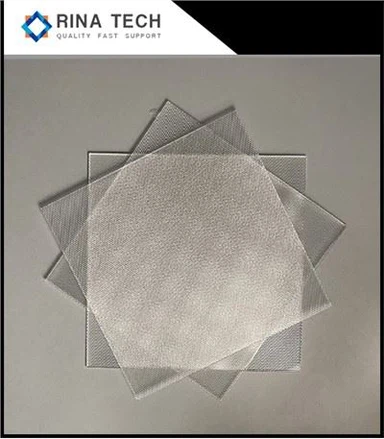


The Benefits Of Anti-Ultraviolet Diffusion Plates
Jun 13, 2025
Introduction

Anti-ultraviolet (UV) diffusion plates are essential components in display and lighting systems, providing uniform light distribution while protecting against harmful UV radiation. These plates enhance optical performance, improve durability, and ensure safety in various applications. This article explores the benefits of UV-resistant diffusion plates, compares PMMA, PC, and PS materials (including flame-retardant UL V0 grades), and examines five key application scenarios with performance data.
Material Comparison: PMMA vs. PC vs. PS
| Property | PMMA (Acrylic) | PC (Polycarbonate) | PS (Polystyrene) |
| Light Transmittance | ~92% (Highest) | ~88% (Good) | ~85% (Moderate) |
| UV Resistance | Excellent (Intrinsic) | Good (Requires coating) | Poor (Needs additives) |
| Impact Strength | Moderate | Very High (Unbreakable) | Low (Brittle) |
| Heat Resistance | Up to 80°C | Up to 120°C | Up to 70°C |
| Flame Retardancy (UL V0) | Achievable (Modified grades) | Standard (Inherently flame-resistant) | Requires additives |
| Cost | Moderate | High | Low |
Key Takeaways
PMMA: Best for high-transparency, UV-sensitive applications (e.g., LED displays).
PC: Ideal for rugged environments (e.g., automotive, industrial) due to impact/heat resistance.
PS: Low-cost option for short-term use (e.g., disposable lighting).


Benefits of Anti-UV Diffusion Plates
1. UV Protection – Prevents yellowing and degradation of display components.
2. Enhanced Light Uniformity – Minimizes hotspots for consistent brightness.
3. Flame Retardancy (UL V0) – Critical for safety in electronics and public spaces.
4. Longer Lifespan – Resists environmental damage (sunlight, heat, chemicals).
5. Energy Efficiency – Improves light utilization, reducing power consumption.
Five Key Applications & Performance Data
①LED Displays (Outdoor Advertising)
Material: PMMA (UV-stabilized).
Role: Ensures color consistency under sunlight.
Data:
UV blocking: >90% (UVA/UVB).
Operational lifespan: 50,000+ hours.
② Automotive Dashboards
Material: PC (UL V0 flame-retardant).
Role: Anti-glare diffusion for driver visibility.
Data:
Temperature resistance: -40°C to 120°C.
Impact strength: 50 kJ/m² (ISO 179).
③ Medical Lighting Panels
Material: PMMA (sterilization-resistant).
Role: Uniform illumination for surgical equipment.
Data:
Light diffusion efficiency: >95%.
Chemical resistance: Withstands alcohol/bleach cleaning.
④ Industrial Control Panels
Material: PC (flame-retardant, anti-UV).
Role: Readable displays in harsh environments.
Data:
UL V0 certification (self-extinguishing in 10 sec).
Humidity resistance: 95% RH (non-fogging).
⑤ Consumer Electronics (TV Backlighting)
Material: PMMA or PS (cost-optimized).
Role: Eliminates Mura effect for high-definition screens.
Data:
Thickness options: 0.5–5 mm.
Haze level: 70–90% (optimal diffusion).
Conclusion
Anti-UV diffusion plates are vital for modern optical systems, combining durability, safety (UL V0), and performance. PMMA excels in clarity and UV resistance, PC dominates in rugged applications, and PS offers budget solutions. Selecting the right material depends on the environment, cost constraints, and required lifespan.
For specialized needs (e.g., aerospace, military), custom formulations (e.g., PMMA-PC blends) can further optimize performance.