


Components Of TV Backlight Modules
Feb 12, 2025
Do you know what a TV backlight module consists of?
Television technology has evolved dramatically over the years, with one of the key advancements being the development of backlight modules. These modules are crucial for enhancing the contrast and brightness of display screens. Understanding the components of a TV backlight module is essential for anyone interested in television technology or manufacturing. This article will delve into the various components that make up a backlight module, exploring their functions and importance.


1. Light Source
The light source is the heart of the backlight module. Traditionally, televisions used fluorescent lamps for backlighting, particularly in LCDs. However, technological advancements have shifted the focus towards Light light-emitting diodes (LEDs). There are several types of LED configurations used in modern backlight modules:
- Edge-lit LEDs: In this configuration, LEDs are placed along the edges of the screen. The light is guided through a panel using a light guide plate (LGP). This design allows for thinner screens but may lead to uneven brightness.
- Direct-lit LEDs: This setup places LEDs directly behind the screen, providing a more uniform distribution of light. This method improves contrast and brightness but can increase the thickness of the television.
- Full-array local dimming (FALD): A premium option, FALD uses an array of LEDs that can be individually dimmed or turned off to enhance the contrast ratio, providing deeper blacks and brighter highlights.
The choice of light source significantly impacts the overall quality of the display, playing a crucial role in color accuracy and energy efficiency.


2. Light Guide Plate (LGP)
The Light Guide Plate (LGP) is a critical component in edge-lit LED configurations. Its primary function is to distribute the light emitted from the LEDs uniformly across the screen. Here's how it works:
- Material: LGPs are typically made from acrylic or polycarbonate materials, providing optical clarity and durability.
- Design: The plate features a series of microstructures or surface patterns designed to diffuse the light evenly. These patterns help redirect the light toward the viewer, ensuring consistent brightness across the display.
The efficiency of the LGP is vital for maintaining uniformity in brightness and color, and any imperfections can result in noticeable light leaks or dark spots on the screen.


3. Diffuser Film
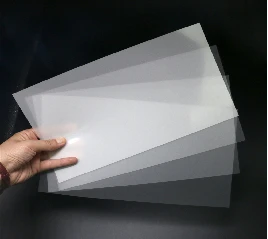
Once the light emanates from the LGP, it passes through a diffuser film. This film serves to further scatter the light, ensuring a smooth and even distribution across the screen. The characteristics of the diffuser film include:
- Material: Diffuser films are typically made from polycarbonate or polyester. They are engineered to have specific optical properties that enhance light diffusion.
- Thickness and Texture: The thickness and surface texture of the diffuser film can be customized to achieve desired light diffusion levels. The right diffuser film can minimize hotspots and enhance the overall viewing experience.
Selecting an appropriate diffuser film is essential in preventing any harsh lighting effects while maintaining the brightness required for vibrant images.
4. Reflector Film
To maximize the efficiency of the backlighting system, a reflector film is often used. This film is positioned behind the LGP and serves to reflect any light that might otherwise escape from the back of the module. The key functions of the reflector film are as follows:
- Material: Reflector films are typically composed of a thin layer of reflective material, often coated with a silver or specular finish.
- Light Efficiency: By reflecting more light back towards the LGP, reflector films improve the overall luminance of the display, helping to boost brightness without increasing energy consumption.
Using an effective reflector film enhances the light output of the display, enabling manufacturers to create thinner and more energy-efficient designs.

5. Control Electronics
Control electronics play a pivotal role in managing the performance of the backlight module. They regulate the intensity of the LEDs, adjusting brightness according to the content being displayed. Key aspects of control electronics include:
- Brightness Control: Many modern televisions come equipped with features such as adaptive brightness control, which adjusts the backlight based on ambient light conditions. This ensures optimal viewing experience and energy efficiency.
- Power Supply: The control electronics are linked to the power supply that feeds energy to the LEDs. Proper management of power supply ensures the longevity and reliability of the backlight module.
- Driver Circuit: The LED driver circuit controls the flow of current to the LEDs, determining their brightness. This circuit can also manage local dimming functions, enhancing contrast ratios and dynamic range.
Understanding control electronics is crucial for maintenance and troubleshooting, as issues in this area can lead to problems like flickering or inconsistent brightness.
6. Heat Management Components
Effective heat management is vital for the longevity and performance of TV backlight modules. LEDs can generate significant heat during operation, which, if not managed properly, may affect their performance and lifespan. Key components involved in heat management include:
- Heat Sinks: Heat sinks are attached to the LED arrays to dissipate heat away from the light source. They are typically made from materials with high thermal conductivity, such as aluminum.
- Thermal Interface Materials (TIM): TIMs enhance the thermal transfer between the LED and the heat sink. Proper application of these materials is critical for efficient heat dissipation.
Maintaining optimal temperatures helps in prolonging the life of the LEDs and ensures consistent performance over time.
7. Assembly and Integration
The final assembly of the backlight module involves joining all the components mentioned above. Proper integration is crucial for the module's overall functionality and performance. Important considerations during this process include:
- Alignment: Each component must be meticulously aligned to ensure that light flows correctly from the LED through the LGP and diffuser film, reaching the viewer evenly.
- Sealing: The assembly needs to be sealed appropriately to prevent dust and moisture ingress, which can degrade performance.
- Testing: Rigorous testing of the assembled module is essential to identify any defects or inconsistencies in light output. This includes checking for color accuracy, brightness levels, and uniformity across the screen.
A well-executed assembly process directly affects the quality of the final product delivered to consumers.
Conclusion
In summary, TV backlight modules comprise several interdependent components, each playing a vital role in delivering high-quality visual experiences. From the choice of light source to the assembly and integration of various parts, every element contributes to the performance and efficiency of the display. As television technology continues to evolve, understanding these components will remain crucial for both manufacturers and consumers striving for the best viewing experience. With advancements in LED technology, material science, and electronics, we can expect even more innovations in the future, further enhancing how we enjoy visual media.


