

LCD Module Composition And Application Market.
Apr 17, 2024
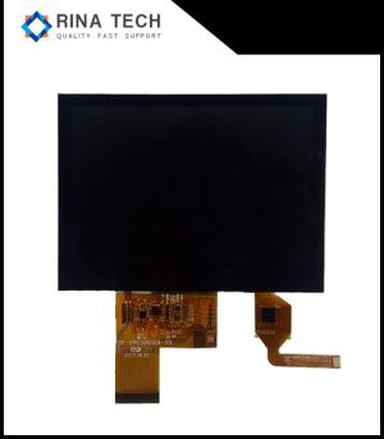
LCD (Liquid Crystal Display) LCD is a common electronic display screen. It consists of a variety of components, including transparent substrates, liquid crystals and their controllers, substrate circuits, lamp beads and output boards, etc. These components work together to create rich colors and accurate image displays that are widely used in various electronic devices such as televisions, mobile phones, and computers.

LCD liquid crystal displays consist of two transparent substrates filled with liquid crystal material. The molecular structure of liquid crystal is composed of organic cholesterol, fatty acid and other compound molecules, so the liquid crystal display is also called a liquid crystal display. LCD displays create complex images by manipulating the liquid crystal material to control the transmission and reflection of light, creating simple darkness or brightness.
The LCD module also includes a liquid crystal controller. The controller is responsible for controlling the transmission and reflection of each pixel, as well as the refresh speed and image resolution of the entire display screen. In addition, the substrate circuit is also an important part of the module. Together with the controller, the substrate circuit provides an electric field to the liquid crystal molecules by passing a tiny current, thereby controlling the direction of the liquid crystal so that it displays the desired color and image.

In addition, lamp beads are also a key component of LCD modules. The LCD is difficult to see without a rear light source, so in the design it is usually necessary to add a lamp bead on the back of the module to illuminate the front of the LCD screen to make the picture brighter and more vivid. Such a design is called a backlit LCD screen.
LCD modules are widely used in different markets and application fields. In the smartphone market, LCD screens are widely used in mobile phones of major well-known brands. These display screens often have ultra-high resolution, high color fidelity, high brightness and other characteristics. In the computer and laptop market, LCD screens have gradually replaced traditional CRT (cathode ray tube) displays. In the TV market, LCD TVs have basically replaced CRT TVs. At the same time, LCD screens are also widely used in various electronic devices such as game equipment, handheld instruments, and industrial controllers, and are increasingly becoming an important part of the consumer electronics market.

According to the latest market forecasts, the global display market is growing rapidly and showing multiple trends: high-definition TV, VR and AR (virtual reality and augmented reality) technology, smart homes and smart wearable devices, etc. As the demand for high-quality images and high resolution becomes more and more urgent, the market for LCD module applications will become larger and larger, and the market prospects for backlit LCD displays are particularly broad.
In general, LCD liquid crystal modules demonstrate a wide range of application markets and excellent technical advantages. Further technological innovation and market expansion will further promote LCD liquid crystal modules to become the main force of future electronic display technology.