

How To Detect The Angle Of The Polarizer?
Aug 15, 2023
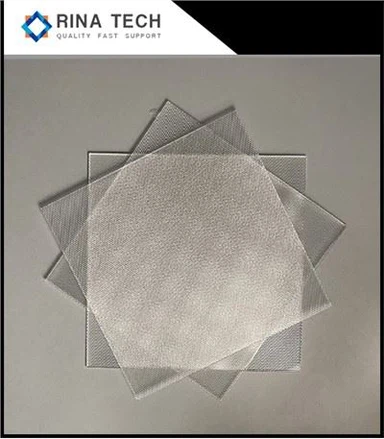
Polarizing film, also known as polarizing filter or polaroid, is a type of optical filter that permits light waves of a particular polarization to pass through while blocking light waves of other polarizations. Polarizing film is widely used in many industries including photography, electronics, and optics. Polarizing film is particularly useful in applications where glare reduction, image enhancement, and light control are required.
What is Polarizing Film?
Polarizing film is made up of a polymer material that is embedded with crystalline iodine or other dichroic dyes. This film filters out unwanted light and reflects polarized light to create a more clear and vivid image. It consists of a transparent film that is treated with a special coating that aligns the liquid crystal molecules to let light pass through only when it is oriented in a specific direction.
Usage of Polarizing Film:
1. Photography: In photography, polarizing filters are used to minimize reflections and to produce more vivid colors. This filter is commonly used to reduce the reflection on water, on glass windows, and on other shiny surfaces.
2. Electronic Displays: Polarizing film is used in electronic displays to provide a clear image and to reduce glare. In fact, nearly all LCD screens use polarizing filters to reduce the glare on the screen.
3. Optics: In optics, polarizing filters are used to create or analyze polarized light. This filter is used to create polarized light in 3D movies, for example.
How to Detect the Angle of Polarizing Film:
The angle of polarizing film is determined by its orientation with respect to a reference axis. There are a few ways to detect the angle of polarizing film, including using polarized light sources or measuring the intensity of light transmitted through the filter at different angles.
One of the simplest methods is to use a polarizing film tester. This tester consists of two polarizing filters that are aligned at 90 degrees relative to each other. By placing the polarizing film between the two filters and rotating it, the angle of the filter can be determined.
Effects of Polarized Light Angle:
The way polarizing film refracts light waves has a significant impact on image quality. When polarized light is transmitted through the filter, its angle determines the degree of polarization. This degree of polarization can affect the contrast and brightness of the image. If the angle of the filter is off, it can result in blurred images, dull colors, and reduced contrast.
Conclusion:
Polarizing film is a versatile filter that can enhance image quality, reduce glare, and control light in various applications. By correctly determining the angle of the filter, you can achieve maximum results. So, next time you use polarizing film, make sure to take the angle into consideration. It will make a big difference in the quality of the final image.