

How To Choose The Right Polarizer Sheets For Monitor
Apr 18, 2025
What is a polarizer sheet?
Definition of polarizer sheet
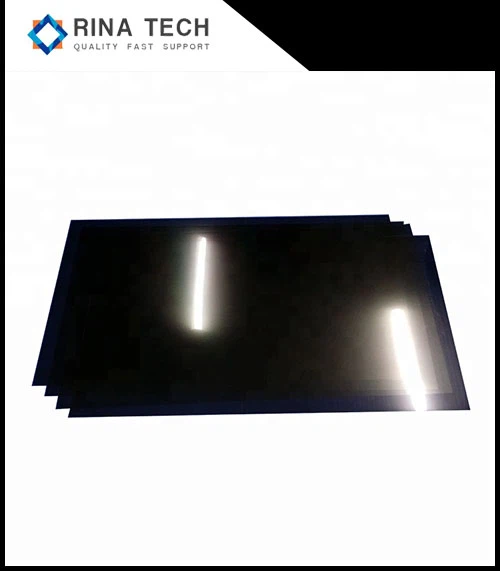
A Polarizer Sheet is an optical component that can selectively transmit light waves in a specific direction while blocking light waves in other directions. This material is usually made of high molecular materials such as polyvinyl alcohol (PVA), and is processed (for example, by adding iodine, dyes or other compounds) to enhance its polarization properties. The main function of a polarizer is to convert unpolarized light into polarized light. The vibration direction of this light is single, usually parallel or perpendicular to the specific axis of the polarizer.
Introduction to Polarizing sheet
The working principle of a polarizer is based on the polarization characteristics of light. In natural light, light waves vibrate in multiple directions. However, polarizers, through their structural and material properties, only allow light waves in specific directions to pass through, thereby altering the vibrational nature of light. The formation of polarized light can help reduce reflected and scattered light, improving visual clarity and contrast.
Generally, polarizing films can be manufactured in different shapes and thicknesses, suitable for various application scenarios. In some polarizing films, the polarization direction can be adjusted according to specific needs. This adjustability has enabled polarizing films to be widely applied in fields such as scientific research, photography and electronic display technology.
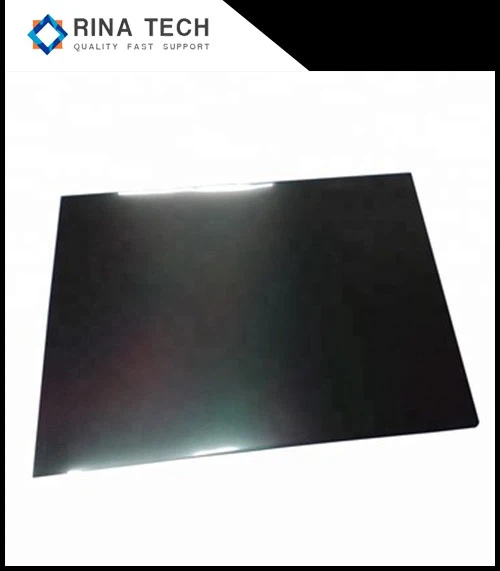
What are the advantages of polarizing films applied in displays?
1. Improved Contrast
Enhanced Visibility: Polarizing films increase the contrast of images by filtering out unwanted glare and reflections, making the display easier to read under various lighting conditions.
2. Reduced Glare
Anti-Reflection: By blocking out light waves that are reflected off surfaces, polarizers reduce glare from ambient light sources, enhancing the overall viewing experience, especially in bright environments.
3. Increased Color Saturation
Vibrant Images: Polarizing films help to enhance the vividness of colors on displays, making images and videos appear more vibrant and alive, which is especially important for applications in photography and media.
4. Energy Efficiency
Lower Power Consumption: In some types of displays, such as LCDs, polarizing films allow for more efficient use of backlighting. As they can amplify the light that is directed towards the viewer, less power may be needed for the backlight, leading to improved energy efficiency.
5. Wider Viewing Angles
Better Perspective: Advanced polarizing films can help maintain color accuracy and contrast from wider viewing angles, which is beneficial for displays that will be viewed from different positions.
6. Enhanced Optical Clarity
Sharp Images: The optical quality of polarizing films contributes to better image sharpness and clarity, minimizing distortions and improving the overall viewing experience.
7. Protection of Display Components
Durability: Polarizing films can act as a protective layer for the display, guarding against scratches and damage while also providing a barrier to dust and dirt.
8. Customization
Adjustable Properties: Polarizing films can be designed or treated to achieve specific polarization properties, allowing manufacturers to tailor the performance of the display based on the intended use or environment.


How to choose the right polarizer sheets for monitor
1. Type of Polarizer
- Linear vs. Circular Polarizers:
Linear Polarizers are suitable for applications where the polarization direction is fixed. Common in standard monitors.
Circular Polarizers consist of a linear polarizer followed by a quarter-wave plate and are ideal for certain applications like 3D displays or where viewing angles vary significantly.
2. Polarization Axis Orientation
- Alignment: Ensure that the polarizer's axis of polarization is aligned with the display's output. Most monitors have a specific polarization direction; misalignment can lead to reduced image quality.
3. Optical Properties
- Transmittance: Look for polarizers with high light transmission (around 40% to 60% for optimal performance) to minimize brightness loss.
- Wavelength Range: Ensure the polarizer is effective for the light wavelengths emitted by your monitor. Most monitors use backlighting in the visible spectrum.
4. Thickness
- Physical Dimensions: Choose a polarizer with a thickness that suits your monitor's specifications. Thinner films typically work better for LCDs and may reduce distortion and overall weight.
5. Durability and Coating
- Anti-Reflection and Scratch-Resistant Coatings: Select polarizers with protective coatings to enhance durability and prevent scratches or reflections that could affect image quality.
6. Temperature and Environmental Resistance
- Operating Conditions: Ensure the polarizer can withstand the temperature and humidity of the environment where the monitor will be used. Some applications may require specialized polarizers to resist moisture or extreme temperatures.
7. Cost and Availability
- Budget Constraints: Compare prices and availability from various suppliers, balancing quality and budget. Higher-quality polarizers may have a higher upfront cost but can improve performance over time.
8. Manufacturer Specifications
- Compatibility: Check if the polarizer is designed for your specific monitor model or type. Review manufacturer specifications and recommendations to ensure compatibility.
9. Application-Specific Requirements
- End Use: Consider the intended use of the monitor (e.g., gaming, professional design, general office use) and select polarizers that enhance performance for that specific application.
10. Reviews and Recommendations
- User Feedback: Look for reviews or recommendations from other users or experts in display technologies to gauge the effectiveness and reliability of specific polarizers.
Conclusion
Selecting the right polarizer sheets for a monitor can significantly impact image quality, clarity, and comfort. By considering factors such as type, optical properties, and specific application needs, you can make an informed choice that enhances your viewing experience.