


Custom Electronic Display Small Backlight
Mar 25, 2025
Products Description
Custom Electronic Display Small Backlight
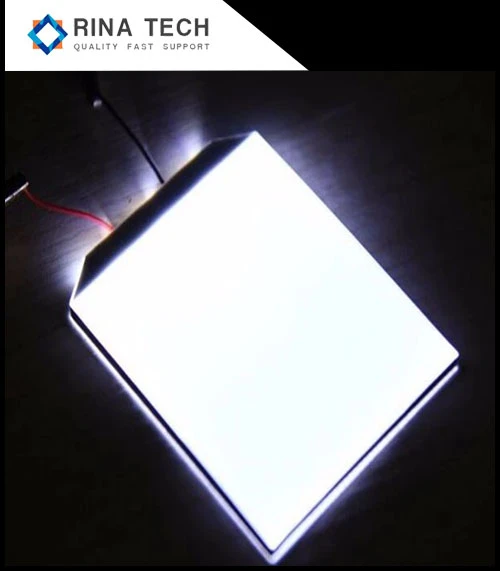
A Custom Electronic Display with Small Backlight refers to a specialized display technology tailored for applications that require compact size and high brightness visibility. This type of display typically incorporates a small backlighting system, allowing it to deliver clear visual output even in low-light conditions. Custom electronic displays can be specifically designed to meet the unique requirements of various applications, including dimensions, resolutions, and display methods, while also aligning with the overall aesthetic of the device.
This technology finds widespread use in a diverse range of electronic products, such as portable devices, medical instruments, automotive control panels, and industrial automation equipment. The ability to customize displays enables manufacturers to create products that reflect market demands and user preferences, enhancing the overall user experience. By utilizing advanced display technologies, custom electronic displays with small backlights not only fulfill functional requirements but also contribute to innovation and design advancement within the electronics industry.
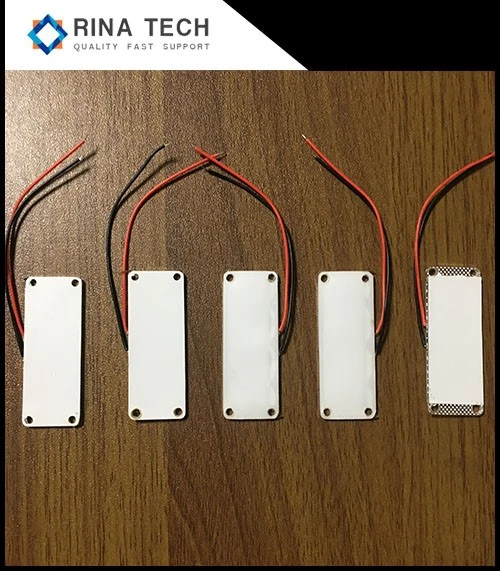
What is an electronic display?
An electronic display is a device that visually conveys information, data, images, or videos using electronic signals. These displays are integral components of various electronic devices, including smartphones, televisions, computer monitors, and digital signage. They can be based on various technologies, such as LCD (Liquid Crystal Display), LED (Light Emitting Diode), OLED (Organic Light Emitting Diode), and more, each offering different benefits in terms of brightness, color quality, energy efficiency, and response time.
What is a small backlight?
A small backlight is a lighting component used in electronic displays to illuminate the display area, enhancing visibility and readability, especially in low-light environments. It typically consists of LED (Light Emitting Diode) technology, which is energy-efficient and can be designed to fit within compact spaces without adding significant bulk to the display.
Key Features of Small Backlights:
1. Compact Size: Designed to fit in small electronic devices, allowing for thinner and lighter designs.
2. Energy Efficiency: Consumes less power compared to traditional lighting methods, extending battery life in portable devices.
3. Brightness Control: Can be adjusted to provide the necessary illumination level based on ambient light conditions, improving user experience.
4. Uniform Illumination: Ensures consistent brightness across the display surface, making text and images clearer.
Small backlights are commonly used in various applications, including smartphones, tablets, medical devices, automotive displays, and industrial equipment, where clarity and visibility are crucial in varying lighting conditions.


How is the small backlight applied to the electronic display?
The application of a small backlight to an electronic display involves several steps and design considerations to ensure optimal performance and visibility. Here's a general overview of the process:
1. Design Considerations:
- Size and Positioning: The backlight must be designed to fit within the dimensions of the display. The positioning is crucial; it should be placed uniformly behind the display panel to ensure even illumination.
- Type of Display: Depending on the technology used (LCD, OLED, etc.), the backlight design may vary. For example, LCDs require a separate backlight, while OLEDs can emit light independently.
2. Selecting LED Components:
- LEDs are the most common choice for small backlights due to their compact size and energy efficiency. The type and configuration of LEDs determine the brightness and color temperature of the backlighting.
3. Backlight Module Assembly:
- Layering: The backlight assembly typically consists of a light guide plate (LGP), which helps direct and evenly spread the light from the LEDs across the display surface.
- Reflectors and Diffusers: Reflective and diffusive layers may be included to enhance brightness and uniformity. Reflectors direct the light that might otherwise escape from the back, while diffusers scatter light to reduce hotspots.
4. Integration with the Display:
- The backlight module is integrated with the display panel, usually by mounting the LEDs directly behind the LCD panel. This assembly is secured within the device's housing.
5. Power Supply and Control:
- A power supply is connected to the LEDs, often with a driver circuit that regulates the voltage and current. Some devices include dimming capabilities, allowing for automatic adjustment of brightness based on ambient light levels.
6. Testing and Calibration:
- After assembly, the backlight and display module undergo testing for brightness, color accuracy, and uniformity. Calibration may be necessary to ensure the display achieves optimal performance in its intended application.
What are the advantages of small backlighting for electronic displays?
1. Improved Visibility:
Small backlighting enhances the clarity of displays, making text and images easier to see in low-light environments. This is crucial for devices used in varied lighting conditions, such as smartphones and automotive displays.
2. Energy Efficiency:
LED backlighting, often used in small backlights, is highly energy-efficient compared to traditional lighting methods. This contributes to longer battery life in portable devices, making them more convenient for users.
3. Compact Design:
Small backlighting can be integrated into thin and lightweight designs, allowing manufacturers to create sleeker devices. This is particularly important for wearables and portable electronics where space is limited.
4. Uniform Brightness:
A well-designed small backlight provides consistent and even illumination across the entire display surface. This uniformity enhances the overall display quality and user experience, reducing eye strain.
5. Customization Options:
Manufacturers can customize small backlighting systems based on specific requirements, such as brightness, color temperature, and dimming capabilities. This flexibility allows for tailored solutions that meet diverse application needs.
6. Rapid Response Time:
LED-based backlighting has quick response times, which is beneficial for displays that need to switch rapidly between different brightness levels or during dynamic content playback, such as video.
7. Longevity and Durability:
LED backlights have a long lifespan compared to other lighting technologies, reducing the need for frequent replacements and maintenance. This durability is advantageous for devices used in harsh environments.
8. Lower Heat Emission:
Small backlighting systems, particularly LED-based ones, generate less heat than traditional lighting alternatives. This thermal efficiency contributes to improved device performance and longevity.
9. Environmental Friendliness:
Many small backlight solutions are designed to be environmentally friendly, using materials that reduce ecological impact and meet regulatory standards.


