

Are Architects Overlooking The Simplest Way To Make Buildings Safer – Heat-Proof LGP Signage?
Aug 12, 2026
Are Architects Overlooking the Simplest Way to Make Buildings Safer – Heat-Proof LGP Signage?

The Blind Spot in Building Safety Design
Architects spend countless hours designing fire-rated walls, sprinkler systems, and evacuation routes. Yet one of the simplest-and most critical-safety elements is often an afterthought: exit signage. Standard exit signs, specified in the final stages of design, are typically chosen based on code compliance rather than performance.
Code Compliance vs. Life-Saving Performance
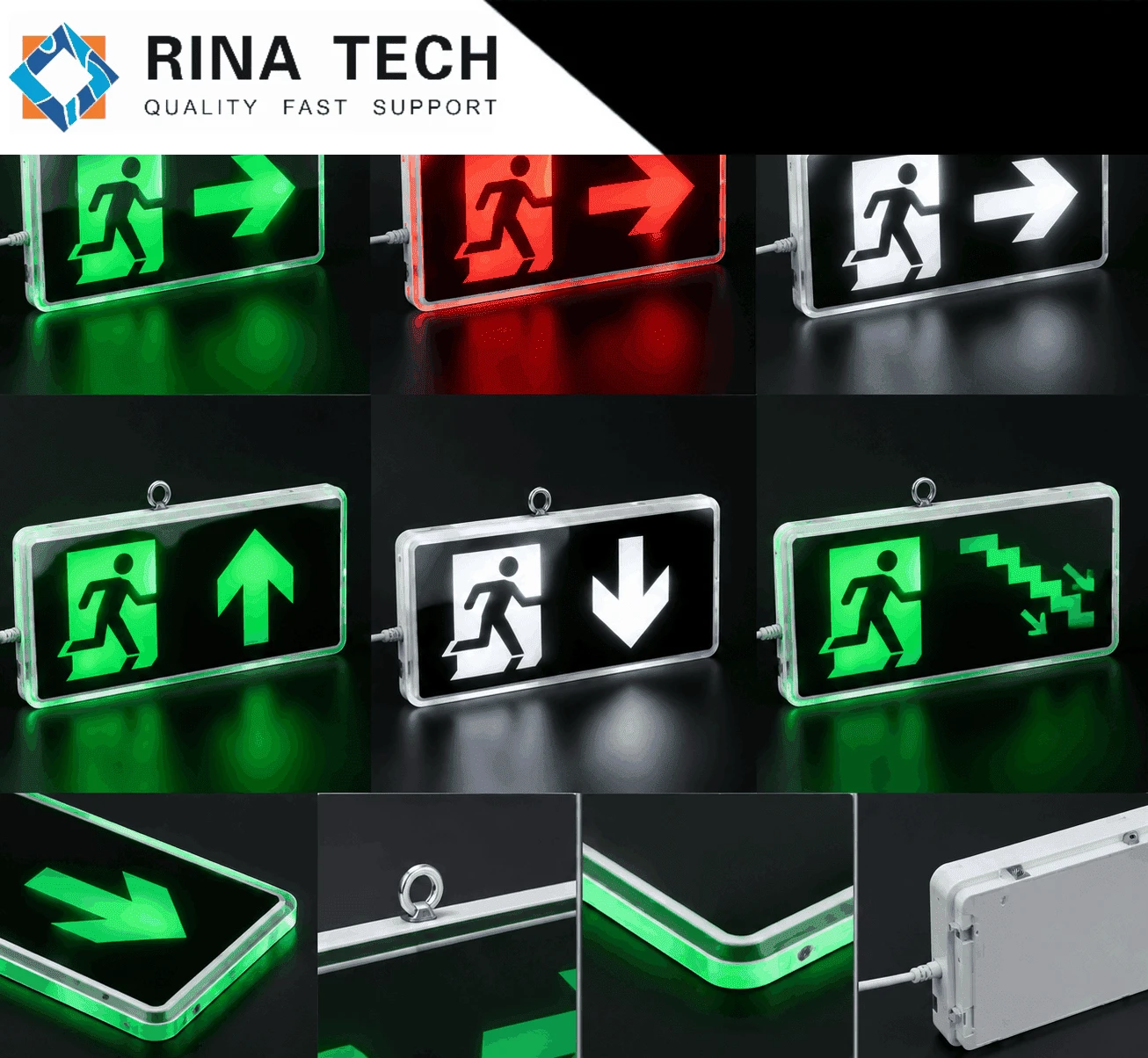
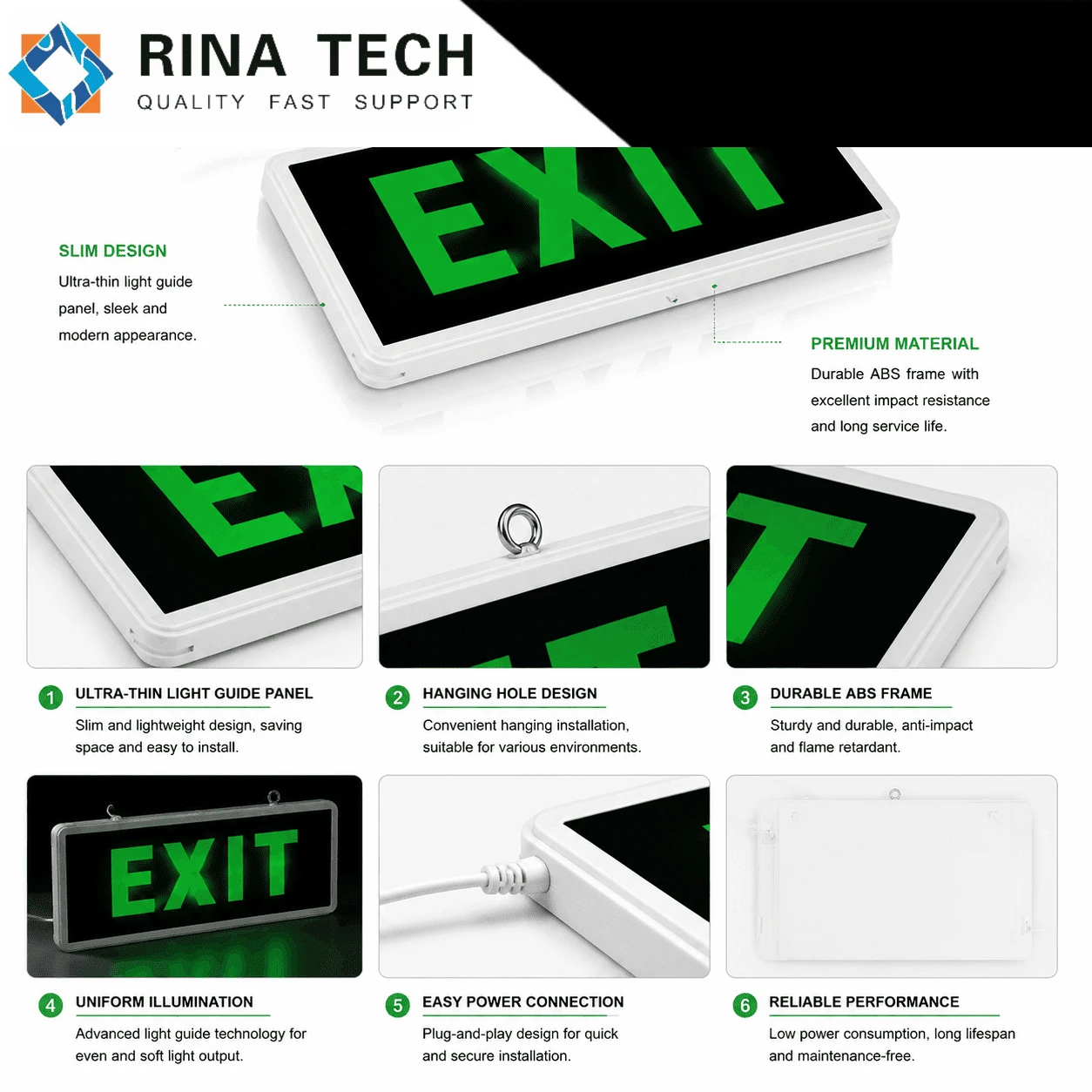
The Heat-Proof Light Transmission Panel for Evacuation Signage goes beyond compliance, delivering high-brightness, smoke-penetrating illumination that remains visible even at extreme temperatures. By specifying heat-proof LGP, architects can provide a safety margin that standard signs cannot match.


Design Flexibility Without Compromise
Many architects assume that high-performance safety components compromise design flexibility. The Heat-Proof Light Transmission Panel for Evacuation Signage challenges this assumption,and finishes that integrate seamlessly with architectural design.
A Simple Upgrade with Significant Impact
The Heat-Proof Light Transmission Panel for Evacuation Signage is a simple specification change that delivers measurable safety benefits-improved visibility in smoke, reliable performance in heat, and long-term durability. For architects committed to life safety, this is an easy decision.
The Performance Gap: Standard vs. Heat-Proof LGP Signage
Standard Exit Signs and Their Limitations
Standard exit signs typically use fluorescent bulbs or basic LED strips, often with diffusers that create uneven illumination. At elevated temperatures, these materials can warp, yellow, and the signs may become illegible in smoke.
Smoke Penetration: The Real Test
The Heat-Proof Light Transmission Panel for Evacuation Signage delivers high-luminance illumination-up to 2500 cd/m²-that cuts through smoke and remains visible at a distance, providing guidance when it is needed most.
Long-Term Durability and Reliability
Standard signs often degrade over time, with yellowing, dimming, or component failure. The Heat-Proof Light Transmission Panel for Evacuation Signage is designed for 50,000+ hours of operation, maintaining consistent optical performance .
Material Science and Engineering Behind Heat-Proof LGP
High-Temperature Polymer Formulations
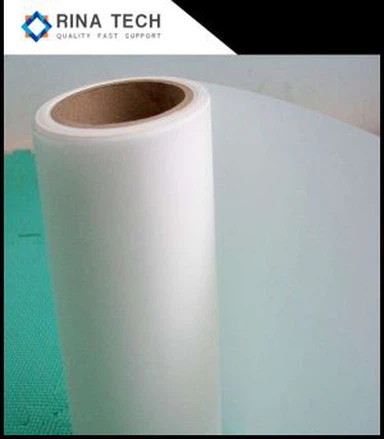
The Heat-Proof Light Transmission Panel for Evacuation Signage is manufactured from heat-stabilized polymers-typically special grades of polycarbonate (PC)-that maintain dimensional stability and optical clarity at elevated temperatures.
Thermal Stabilizers and UV Resistance
The heat-proof LGP panel incorporates thermal stabilizers that prevent chain scission and oxidative degradation, maintaining optical clarity and mechanical properties over years of continuous high-temperature operation.

The Architect's Role in Specifying Safety
Beyond Minimum Code Requirements
By specifying the Heat-Proof Light Transmission Panel for Evacuation Signage, architects can provide a level of safety that standard signs cannot match, demonstrating a commitment to occupant protection.
01
Integrated Design and Safety
The Heat-Proof Light Transmission Panel for Evacuation Signage can be specified with custom sizes, shapes, and finishes that integrate seamlessly with architectural design, supporting both safety
02
Long-Term Value for Building Owners
Specifying heat-proof LGP signage provides long-term value for building owners-reduced replacement frequency, lower maintenance costs, and enhanced safety performance. Improved the safety level of buildings
03
The Case for Forward-Thinking Specification
Architects who specify heat-proof LGP signage demonstrate forward-thinking design that anticipates the challenges of real fire conditions. This approach positions security as a design priority rather than a compliance obligation.
04
Applications Across Building Types