


Applications Of LCD Curved Screens: Exploring Diverse Industries And Uses
Jun 13, 2025
In recent years, LCD curved screens have transformed the way visual data is presented across multiple sectors. Their innovative design, combining aesthetic appeal with functional advantages, has led to widespread adoption in various industries. From entertainment to professional equipment, the application scope of LCD curved screens continues to expand, driven by technological advancements and consumer demand. This article explores the major areas where LCD curved screens are making a significant impact.

1. Consumer Electronics: Enhancing Visual Experiences
1.1. Curved Monitors for Gaming and Professional Use
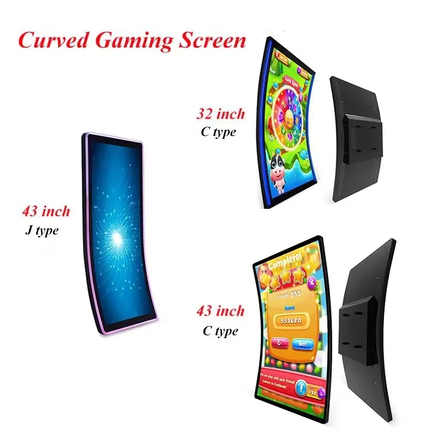
One of the most prominent applications of LCD curved screens is in computer monitors designed for gaming and professional tasks. Curved monitors provide a wider field of view, reducing distortion at the edges and enhancing immersive gaming experiences. Gamers and designers benefit from better peripheral vision, which improves reaction times and visual accuracy. High refresh rates, low latency, and superior color accuracy are common features that complement the curved design.
1.2. Smartphones and Tablets
While less prevalent than flat screens, some high-end smartphones and tablets adopt curved LCD displays to offer a sleeker, more ergonomic design. These curved screens add visual depth and elegance, improve grip comfort, and enable innovative interface designs like edge lighting and gesture-based controls.
1.3. Televisions for Home Entertainment
Curved LCD TVs are popular in home theaters, providing an enhanced viewing experience with a wider, more immersive picture. The curvature helps viewers experience richer depth perception, reduce reflections, and enjoy consistent colors across the screen from various viewing angles.
2. Digital Signage and Advertising
2.1. Large-Format Curved Displays
In the advertising industry, large-format LCD curved displays are employed in shopping malls, airports, and outdoor environments. Their eye-catching curves attract attention more effectively than flat screens, making them ideal for dynamic digital signage, promotional videos, and interactive advertisements. The immersive quality of curved displays draws viewers into the content, increasing engagement and message retention.
2.2. Indoor and Outdoor Kiosks
Interactive kiosks with curved LCD screens are used in many public spaces, such as museums, transit stations, and retail stores. The curved design enhances user interaction, improves visibility, and allows for more innovative interface layouts, providing an engaging customer experience.
3. Automotive Industry: Heads-Up Displays and Infotainment Systems
3.1. Curved LCD Displays in Vehicles
Modern vehicles increasingly incorporate curved LCD screens as part of their digital dashboards and infotainment systems. These displays can wrap around the driver's field of view, providing vital information (speed, navigation, alerts) in a more accessible and aesthetically pleasing manner. The curvature helps reduce glare and reflections, improving safety and readability.
3.2. Passenger Experience Enhancement
Passengers can enjoy curved displays integrated into rear-seat entertainment systems, offering a more immersive multimedia experience during long journeys. The elegant design also complements the modern interior aesthetics of premium vehicles.

4. Corporate and Industrial Applications
4.1. Control Rooms and Data Visualization
In control centers, curved LCD screens support large-scale data visualization and monitoring. Their curvature allows operators to view critical information across a broad visual field without significant distortion. These screens facilitate real-time decision-making in industries like energy, transportation, and military operations.
4.2. Medical Imaging and Diagnostic Equipment
The medical field uses curved LCD screens for imaging devices, such as ultrasound, MRI, and surgical displays. The ergonomic curvature improves image accuracy and reduces eye strain for practitioners during complex procedures, enhancing diagnostic capabilities.
5. Architectural and Interior Design
5.1. Interior Decor and Display Solutions
Curved LCD displays are increasingly incorporated into architectural designs as digital art installations, lobby displays, or feature walls. Their sleek, futuristic appearance adds sophistication to commercial and residential interiors, with the flexibility to create custom-shaped displays for aesthetic impact.
5.2. Public Spaces and Event Venues
Event organizers and architects utilize large curved LCD screens for stage backgrounds, conference displays, and public presentations. The dynamic, curved visual canvas captivates audiences and allows for creative content delivery.
6. Future Trends and Emerging Applications
As technology progresses, the scope of LCD curved screens is expected to broaden further. Innovations include flexible OLED-based curved displays, ultra-wide curved monitors, and integration into wearable devices. The ongoing development will likely unlock new applications in augmented reality, virtual reality, and beyond.
Conclusion
LCD curved screens are revolutionizing visual communication across a wide array of industries. Their distinctive design offers immersive experiences, aesthetic appeal, and functional advantages that resonate with both consumers and professionals. As they continue to evolve technologically, their application spectrum will undoubtedly expand, shaping the future of display solutions in innovative ways.


