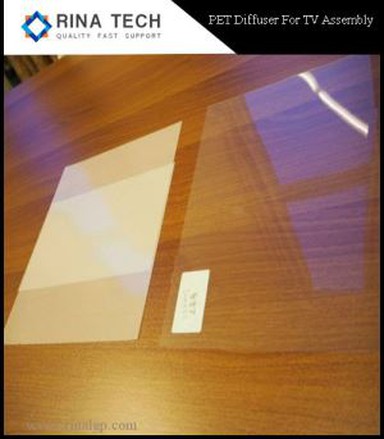


What Makes The Thin Custom Diffuser Plate Ideal For Modern LED And Display Designs?
Oct 16, 2026
Why Are Traditional Thick Diffusers Failing Modern Slim Display Requirements?
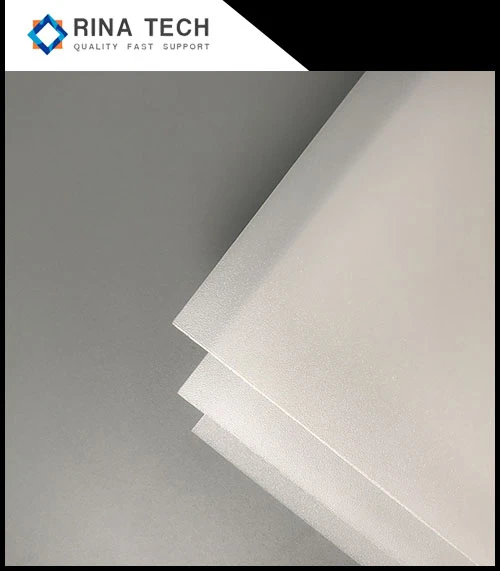
Why do standard thick diffuser plates create bulky display profiles?
Conventional optical diffuser plates rely on substantial material thickness-often ranging from 2.0 mm to 5.0 mm-to mix and scatter light effectively. In modern electronics, where laptops, televisions, and architectural light boxes prioritize ultra-thin form factors, bulky plastic sheets consume valuable vertical clearance. This physical depth forces entire backlight units to expand, preventing engineers from achieving sleek, flush-mounted product designs.
How does bulk scatter in thick plates reduce total light transmission?
Traditional thick diffusers operate via bulk light scattering, incorporating heavy concentrations of pigment particles throughout the entire polymer substrate. As light rays pass through millimeters of densely pigmented resin, a high percentage of photons are continuously reflected backward or absorbed internally. This optical friction degrades total light transmission, forcing LED backlights to draw more power to compensate for brightness losses.
Why do thick plastic covers alter display color fidelity?
When white LED light travels through thick plastic medium, light rays experience wavelength-dependent absorption and scatter. Shorter blue wavelengths disperse differently than longer red and green wavelengths as they bounce through dense resin. This shift induces unwanted yellowing or tinting across the display faceplate, distorting color reproduction and degrading visual accuracy in color-critical professional monitors and signage.
What Technological Innovations Allow Sub-Millimeter Diffuser Plates to Maintain Optical Uniformity?
How do surface-relief micro-optics replace thick bulk pigments?
Modern sub-millimeter custom diffusers utilize engineered surface-relief micro-structures, such as micro-lens arrays, holographically etched patterns, or micro-prisms. Rather than blocking light with heavy internal pigments, these microscopic surface features precisely refract and redirect incoming light rays at controlled angles. This approach achieves complete, hotspot-free light homogenization across plates as thin as 0.3 mm to 0.8 mm.
Why is optical-grade virgin PMMA or PC substrate essential for thin diffusers?
Sub-millimeter diffusers demand ultra-pure base polymers like virgin polymethyl methacrylate (PMMA) or optical-grade polycarbonate (PC). Virgin PMMA delivers an intrinsic material light transmission rate exceeding 92% to 94%, while PC offers high impact resistance and flame-retardant performance. High-purity substrates ensure that light passes through the thin panel with minimal absorption, preserving peak brightness.
How do co-extruded micro-spherical beads optimize light scattering?
Advanced thin diffusers incorporate micro-spherical silicone or cross-linked acrylic light-scattering beads embedded in a thin co-extruded layer. These microscopic spheres possess a refractive index engineered to contrast with the base resin. As light strikes the beads, it bends forward at wide dispersion angles, eliminating harsh LED point sources while maintaining total light transmission rates above 85% to 88%.
How Does Upgrading to a Thin Custom Diffuser Plate Improve Overall System Performance?
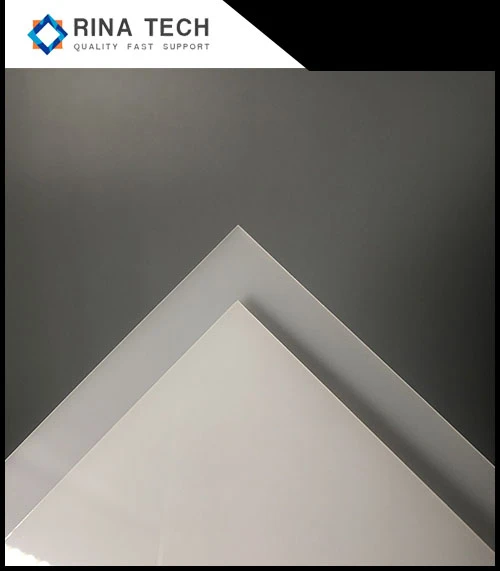
How do thin diffuser plates enable ultra-slim display and luminaire profiles?
Replacing thick legacy diffusers with sub-millimeter custom plates reclaims critical vertical clearance within display backlight units and LED luminaires. This reclaimed space allows product designers to create edge-lit ultrabook displays, thin architectural light panels, and sleek automotive dashboard screens without sacrificing light uniformity or structural integrity.
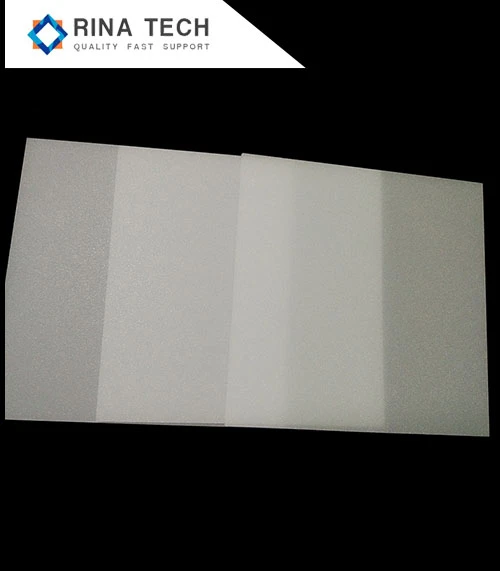
Can high-transmission thin diffusers significantly lower energy consumption?
Yes. By replacing internal bulk reflection with surface micro-optics, thin custom diffusers increase light extraction efficiency. Displays achieve target luminance levels using lower drive currents across the LED lightbar. This reduction in power draw extends battery runtimes for mobile devices and lowers monthly utility bills for commercial building installations.
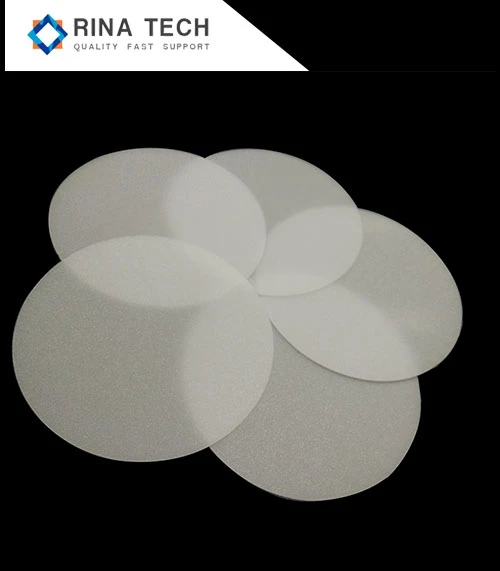
How do thin diffusers improve thermal management in compact enclosures?
Because thin custom diffusers feature lower thermal mass and higher surface-area-to-volume ratios, they dissipate operational heat rapidly. Combined with lower LED drive currents, thin diffusers reduce internal cabinet temperatures. Operating at lower temperatures protects liquid crystal cells and polarizers from heat-induced yellowing, extending the overall lifespan of the display assembly.
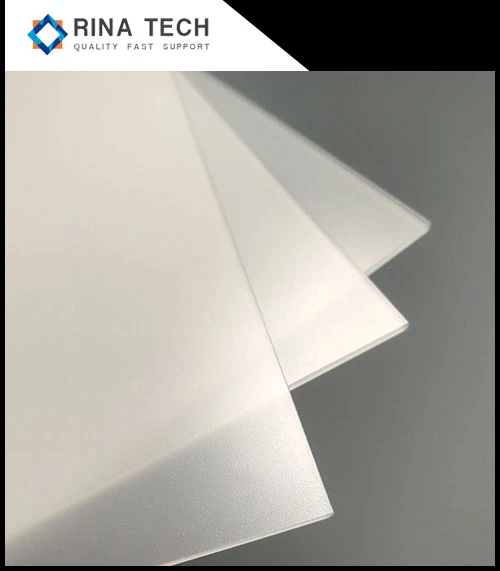
How do custom beam-shaping textures control glare and viewing angles?
Custom thin diffusers can be embossed with specialized micro-prismatic textures or elliptical micro-lenses. An elliptical surface texture spreads LED light widely across one axis while keeping it narrow on the other, ideal for wall-washing and curved automotive displays. Micro-prismatic arrays redirect high-angle glare downward, achieving low Unified Glare Ratings (UGR <19) in office lighting.
What Key Manufacturing and Quality Control Standards Ensure Mass-Production Success?
Why is cleanroom manufacturing mandatory for sub-millimeter diffuser plates?
In ultra-thin optical assemblies, tiny airborne dust particles or static fibers trapped on the plate surface cast amplified shadows under high-brightness backlighting. High-volume production of thin custom diffusers must occur inside certified Class 100 or Class 1000 cleanrooms equipped with ionized air wash systems to guarantee pristine, spot-free visual surfaces.
How does Automated Optical Inspection (AOI) verify pattern accuracy?
Because modern thin diffusers rely on micron-scale surface structures, manual inspection is insufficient for high-volume quality control. Automated Optical Inspection (AOI) systems deploy high-resolution camera arrays and machine vision algorithms to inspect 100% of manufactured sheets in real time, detecting micro-scratches, pinholes, or surface pattern drift.
How does precision laser cutting prevent border light leakage?
Thin optical diffusers must fit precisely into tight display bezels and aluminum extrusions. Precision CNC routing and automated laser cutting process custom plates into complex shapes with tight mechanical tolerances within 0.05 mm. Laser cutting produces smooth, flame-polished edges on PMMA sheets, preventing edge light leakage and ensuring seamless robotic lamination on assembly lines.