


Why Are Fire Alarm Panels Still Using Bulbs When LGP Backlight Offers Superior Uniformity?
Aug 20, 2026
Why Is Uniform Backlighting Critical for Fire Alarm Panels?

Can first responders really read the panel clearly in an emergency?
They need to read zone indicators, fault lights, and evacuation messages at a glance. If the backlighting is patchy-the risk of misreading critical information increases significantly.

What happens when operators cannot read the panel quickly?
Fire alarm panels are often located in dimly lit corridors, security offices, or control rooms. If the panel is difficult to read, operators may need to lean in, move closer, or squint to interpret the indicators.

Does uneven lighting really cause errors?
Over time, this leads to fatigue, reduced accuracy, and slower reaction times. In an emergency, these small delays compound, potentially leading to misinterpretation of alarm status.
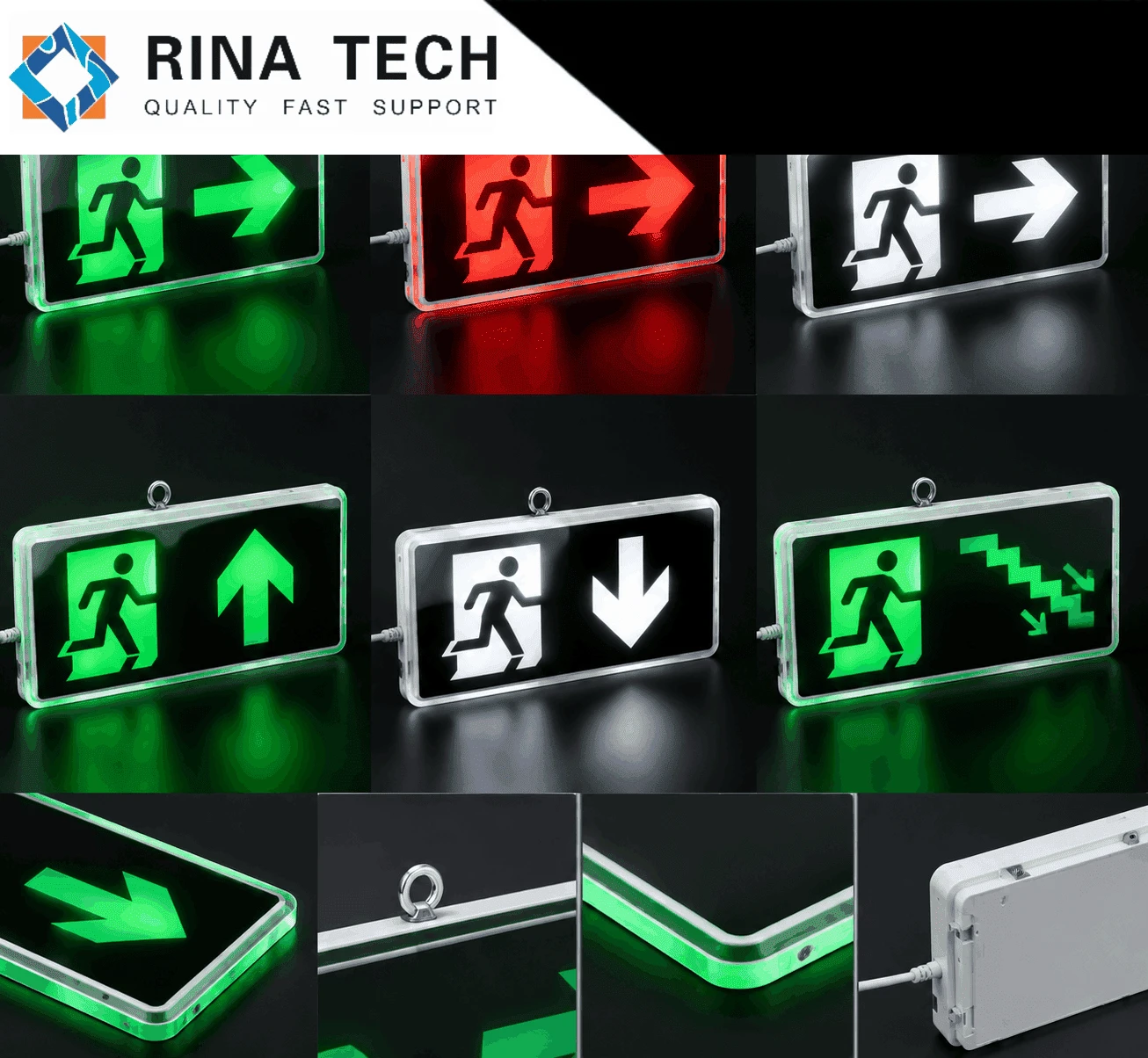
What does uniform illumination actually look like on a fire alarm panel?
There are no hotspots near the LEDs and no dark patches at the edges. The entire panel appears evenly lit, allowing the operator to read all indicators from any angle without shifting position.
Why Have Fire Alarm Panels Been Using Bulbs for Decades?
Is it simply because bulbs are cheaper upfront?
The upfront cost of these components is low, making them attractive for manufacturers seeking to minimize initial production costs. However, this narrow focus on first cost has often overlooked the long-term costs of maintenance and the critical importance of uniform lighting for safety.
Have manufacturers simply not considered better options?
Many manufacturers have followed established designs for years without questioning whether better alternatives exist. Fire alarm systems are built to be reliable, and there is a natural reluctance to change designs that have been "good enough" for decades.The technology is now proven, reliable, and cost-effective, making the case for change stronger than ever.
Do reliability concerns hold designers back?
Some engineers may worry that new technology could introduce new points of failure. However, LGP systems are remarkably simple-they use edge-mounted LEDs with no moving parts. The LGP panel itself is a passive solid-state optical component with no electronics, making it exceptionally reliable and unlikely to fail.
How Does LGP Backlighting Compare to Traditional Bulb Solutions?
What is the difference in light quality between bulbs and LGP?
These hotspots cause the indicator area to be much brighter than the surrounding panel, creating glare while leaving adjacent areas comparatively dim.
Can LGP provide better readability from different angles?
This wide, even distribution of light means the panel remains legible even when viewed from an angle, making it easier for first responders to read the panel without having to stand directly in front of it, which is a significant advantage in crowded or confined spaces.


Is LGP more energy-efficient than bulbs?
Yes. LGP systems use edge-mounted LEDs that typically consume 5-10 watts of power, compared to 15-40 watts for bulb-based or direct-LED systems.
Which technology lasts longer?
LGP systems are designed for 50,000+ hours of continuous operation-typically 10-15 years-with no bulbs to replace and consistent performance throughout their service life. Bulb-based systems require regular bulb replacements every 1-2 years, incurring significant maintenance costs and the risk of failure.
What Are the Real Benefits of LGP Backlighting for Fire Alarm Panels?
Does LGP backlighting actually improve emergency response times?
Yes. When alarm indicators are uniformly backlit, they are easier to read at a glance and from a distance. This speed of recognition is critical when firefighters or building managers are arriving at the panel under stress.
Can LGP backlighting reduce operator fatigue?
Uneven lighting forces the eyes to constantly readjust, causing visual fatigue that impairs decision-making. LGP's uniform, glare-free illumination reduces this eye strain, allowing operators to maintain focus and accuracy throughout the emergency.
Is LGP backlighting more reliable than bulbs?
LGP systems use edge-mounted LEDs and a passive LGP panel with no electronics or moving parts, making them exceptionally reliable.There are no bulbs to burn out, no ballasts to fail, and no lenses to yellow. The panel itself does not degrade over time.
What maintenance savings can building owners expect from LGP?
With LGP backlighting, there are no bulbs to replace and no diffusers to clean or replace. Maintenance is reduced to simply cleaning the panel surface as needed, saving significant labor and material costs over the life of the fire alarm system.
Why Are Fire Alarm Panels Still Using Bulbs When LGP Is Available?
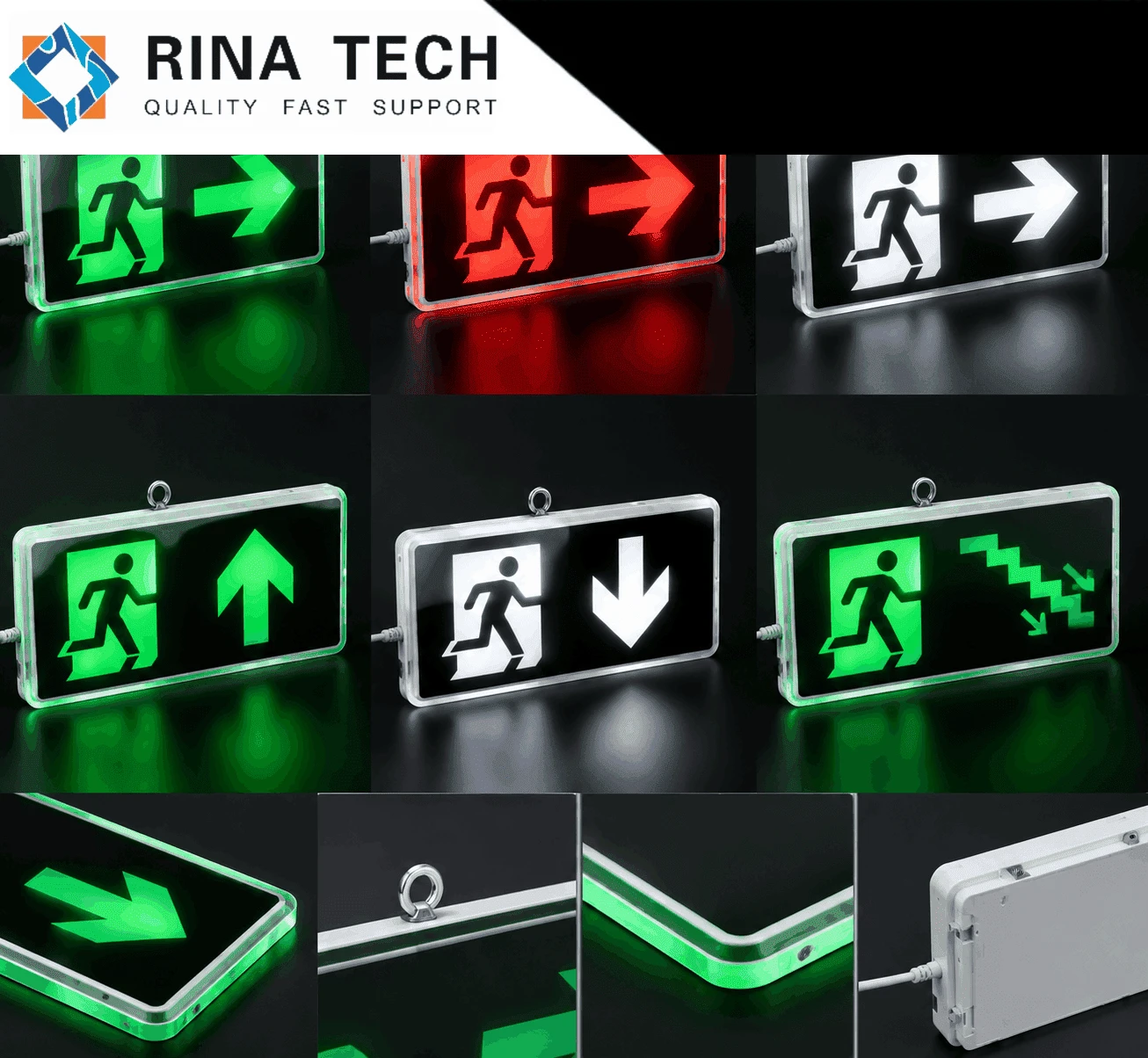
Is it simply that designers are not aware of LGP?
Among some fire alarm designers and specifiers, awareness of LGP technology remains low. Many engineers are simply unaware of the significant advantages LGP backlighting offers over traditional direct-LED or bulb-based designs. Education and awareness are essential to driving adoption.
Are manufacturers waiting for customers to demand LGP?
Without pressure from customers or specifiers, manufacturers have little incentive to change their existing designs. Many fire alarm panels are specified based on cost and code compliance, not on the quality of the backlighting. Facility managers rarely consider the lighting quality of the alarm panel when making purchasing decisions.
Is the upfront cost still a barrier for LGP?
The initial cost of LGP backlighting is slightly higher than traditional solutions, but this is a short-term barrier. Over the full lifecycle of the system, LGP is significantly more economical, with lower maintenance costs and longer service life. Manufacturers who are willing to absorb this slight upfront increase can use the improved aesthetics and long-term reliability as a key selling point.


