

Optimizing Transportation For Large-Size Light Guide Plates: Cost-Effective Strategies
May 07, 2025
Introduction to Large-Size Light Guide Plates
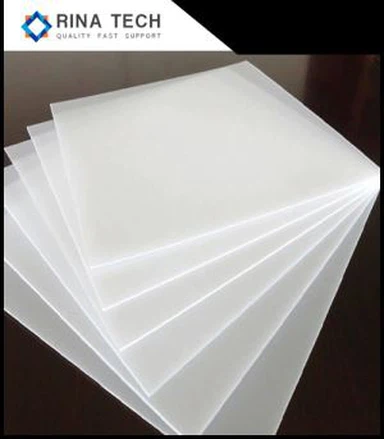
Light guide plates (LGPs) are essential components in liquid crystal displays (LCDs), LED lighting, and other backlight applications. They distribute light evenly across the display surface, ensuring optimal brightness and uniformity. Large-size LGPs, typically exceeding 40 inches in diagonal length, are widely used in TVs, digital signage, and industrial displays.
However, transporting large-size LGPs presents challenges due to their fragility, bulkiness, and the need for careful handling. Efficient transportation strategies can significantly reduce costs, minimize damage risks, and improve supply chain efficiency. This article explores key methods for optimizing the transportation of large-size LGPs through smart packaging, logistics planning, and material innovations.
1. Why Are Large-Size LGPs Difficult to Transport?
Fragility and Risk of Damage
Large LGPs are typically made of PMMA (acrylic) or PC (polycarbonate), which are lightweight but prone to scratches, cracks, and warping. Their thin structure (often 2-10mm thick) makes them vulnerable to bending or breaking during transit.
Bulkiness and Space Constraints
Unlike smaller LGPs, large panels require more shipping space, increasing freight costs. Standard shipping containers may not efficiently accommodate them without proper stacking methods.
Environmental Sensitivity
Temperature fluctuations and humidity can affect PMMA-based LGPs, leading to deformation. Proper climate-controlled shipping may be necessary for long-distance transport.

2. How Can Packaging Innovations Reduce Transportation Costs?
Customized Foam and Edge Protectors
Using high-density foam inserts prevents vibration-induced damage.
Reinforced corner protectors minimize impact risks during loading/unloading.
Vacuum-Sealed Packaging
Reduces air space, allowing more LGPs per shipment.
Prevents dust accumulation and moisture exposure.
Nesting and Stackable Designs
Interlocking LGP designs enable secure stacking without direct contact.
Reduces wasted space in shipping containers.
3. What Logistics Strategies Improve Efficiency?
Consolidated Shipments
Combining multiple orders into full-container loads (FCL) lowers per-unit shipping costs.
Partnering with other manufacturers for shared logistics can optimize routes.
Just-in-Time (JIT) Delivery
Reduces warehousing needs by aligning shipments with production schedules.
Minimizes handling and potential damage from multiple transfers.
Route Optimization Software
AI-driven logistics platforms select the fastest, most cost-effective routes.
Avoids delays and reduces fuel consumption.

4. Can Alternative Materials Reduce Transportation Challenges?
Thinner but Stronger Materials
Ultra-thin LGPs with reinforced coatings maintain rigidity while reducing weight.
Nano-composite materials enhance durability without increasing thickness.
Foldable or Rollable LGPs (Emerging Tech)
Flexible LGPs made from advanced polymers can be rolled or folded, drastically cutting shipping volume.
Currently in development but promising for future logistics efficiency.
5. How Does Modular Design Help in Transportation?
Segmented LGPs with Seamless Assembly
Large panels can be split into smaller, interlocking modules for easier shipping.
On-site assembly ensures no loss in optical performance.
Standardized Sizing for Container Compatibility
Designing LGPs in dimensions that fit standard pallets and containers minimizes wasted space.
Reduces the need for custom crating.
6. What Role Does Automation Play in Safe Transport?
Robotic Handling Systems
Automated guided vehicles (AGVs) and robotic arms reduce human error in loading/unloading.
Ensures consistent, gentle handling of fragile LGPs.
Smart Tracking and Monitoring
IoT sensors track shock, temperature, and humidity in real time.
Alerts logistics teams if conditions exceed safe thresholds.
Conclusion: Key Takeaways for Cost-Effective LGP Transport
Transporting large-size light guide plates efficiently requires a combination of smart packaging, material science, logistics optimization, and automation. Key strategies include:
Protective yet space-saving packaging (vacuum sealing, foam inserts).
Logistics improvements (consolidated shipments, JIT delivery).
Material and design innovations (thinner but stronger LGPs, modular designs).
Automation and smart tracking for damage prevention.
By implementing these methods, manufacturers can significantly cut transportation costs while ensuring LGPs arrive undamaged and ready for integration into high-end displays.