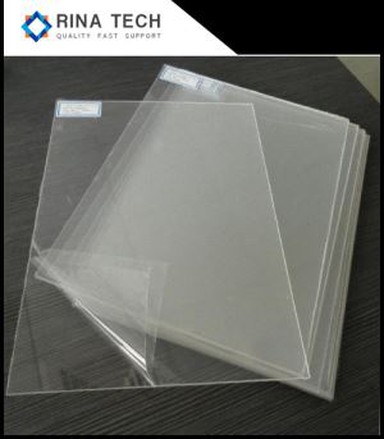


Light Guide Plates In Optical Materials
Jan 16, 2025
What is a light guide Plate?
A light guide plate (LGP) is an optical component commonly used in display technologies, such as in LCD (liquid crystal display) backlighting and LED (light-emitting diode) lighting systems. Its primary function is to distribute light evenly across its surface, ensuring uniform illumination.
Key Features of Light Guide Plates:
1. Material: LGPs are typically made from transparent materials such as acrylic or polycarbonate, which have good light transmission properties.
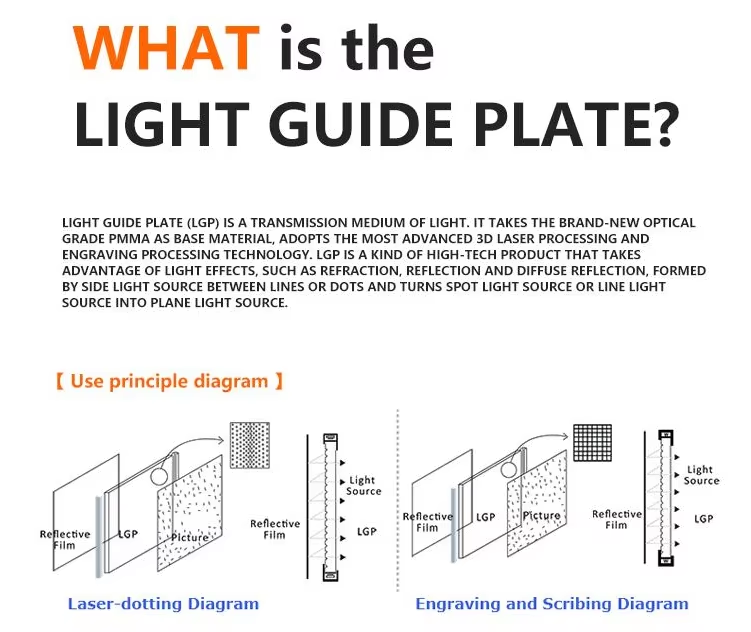
2. Design: The plate is usually flat and can have various surface features, such as micro-patterns or dots on one side, which help to direct and diffuse light entering the plate from an edge.
3. Functionality: Light from LEDs placed along the edge of the plate enters the LGP, interacts with its surface features, and is guided across the panel to provide consistent light output.
What are the main materials of light guide plate?
1. Acrylic (PMMA): Known for its lightweight and high transparency, acrylic is widely used in LGP applications. It offers good weather resistance and is easy to process.
2. Polycarbonate (PC): This material is tougher and more impact-resistant than acrylic, making it suitable for applications that require additional strength. Polycarbonate also boasts excellent light transmission and high heat resistance.
3. Glass: In some high-end applications, glass light guide plates may be used to provide better visual quality and durability. However, they are heavier and more fragile compared to plastic options.
4. PET (Polyethylene Terephthalate): PET is often used for thin and lightweight LGPs, making it a good choice for applications requiring high adhesion strength.
Each material has its unique advantages and suitable applications, so selecting the right one depends on specific needs and usage conditions. If you'd like to know more about the properties or applications of any particular material, feel free to ask!


What are the luminous processes of the light guide plate?
1. Edge Lighting: This is the most common technique where LEDs are placed along the edges of the LGP. Light from the LEDs enters the plate and is guided through it, with microstructures on the surface (such as dots or grooves) helping to diffuse the light uniformly across the surface.
2. Surface Lighting: In some designs, LEDs can be positioned directly on the surface of the LGP rather than at the edges. This configuration can enhance brightness and is often used in applications where space allows for thicker panels.
3. Backlighting with Reflectors: Reflective materials or coatings can be used behind the LGP to bounce unused light back into the guide plate. This enhances the overall efficiency of light utilization by minimizing losses.
4. Micro-structuring: The surface of the LGP is often treated with patterns (like prisms or dots) that manage how light exits the plate. Techniques like laser engraving or injection molding are commonly used to create these microstructures, optimizing the light output and ensuring a more uniform distribution.
5. Diffusion Films: A diffusion film can be added to the front of the LGP to further enhance light scattering. This helps blend the light and eliminate hotspots, enhancing uniformity and improving visual quality.
6. Combination Techniques: Some advanced systems combine multiple emission methods, such as edge lighting with diffusion films and microstructure enhancements, to maximize efficiency and light quality.
What kind of light guide plate?
1. Laser Dotting:
Description: This method involves using laser technology to create precise dots or patterns on the surface of the LGP.
Benefits: It allows for high accuracy and repeatability in pattern size and distribution, enhancing light diffusion and uniformity.
Application: Often used in applications requiring fine control over light distribution.
2. Engraving and Groove Cutting:
Description: This technique uses engraving tools or CNC machines to create grooves or lines on the surface of the LGP.
Benefits: It helps control the light directionality and intensity, allowing for customized light output profiles.
Application: Commonly used for displays and specialized lighting where specific light patterns are needed.
3. Silk Screening (Screen Printing):
Description: A method where inks or coatings are applied to the surface of the LGP to create patterns that diffuse light.
Benefits: Enables the application of color and texture, offering both functional and aesthetic enhancements.
Application: Used for decorative purposes or to produce specific light effects in signage and architectural lighting.
4. Thermal Pressing:
Description: In this process, heat and pressure are used to mold the LGP into a desired shape or texture.
Benefits: This technique can create complex geometries and improve the optical characteristics of the plate.
Application: Often used for customized LGP designs in furniture, automotive lighting, and architectural lighting.
5. Injection Molding:
Description: A manufacturing process where molten plastic is injected into a mold to form the LGP.
Benefits: Allows for mass production of LGPs with consistent quality and complex shapes, reducing manufacturing costs.
Application: Widely used in consumer electronics and large-scale lighting applications.


What are the application scenarios and characteristics, functions and effects of light guide plates?
1. LCD Displays:
Characteristics: Utilizes edge lighting for thin profiles.
Function: Provides uniform backlighting for screens used in televisions, computer monitors, and smartphones.
Effect: Enhances brightness and improves image quality, making displays more visually appealing.
2. LED Panel Lights:
Characteristics: Typically uses surface lighting with integrated LEDs.
Function: Acts as a diffuser to provide soft, even illumination in indoor lighting fixtures.
Effect: Offers energy-efficient lighting solutions for offices, homes, and commercial spaces, improving overall ambiance.
3. Signage and Advertising Displays:
Characteristics: Can incorporate vibrant silk-screened graphics.
Function: Provides backlighting for promotional signs and advertisements.
Effect: Attracts attention and enhances visibility, making signage more effective in conveying messages.
4. Automotive Lighting:
Characteristics: Often features custom shapes and patterns.
Function: Used in dashboard displays, ambient lighting, and headlamps.
Effect: Improves user experience and safety by enhancing the visibility of controls and providing stylish interior lighting.
5. Architecture and Interior Design:
Characteristics: Customizable designs with various textures created through thermal pressing or engraving.
Function: Used in light fixtures, walls, and ceilings for aesthetic lighting.
Effect: Creates a modern and sophisticated atmosphere, enhancing the overall architectural appeal.
6. Backlit Keyboards:
Characteristics: Thin and flexible LGPs for uniform light distribution.
Function: Provides illumination for keys in low-light environments.
Effect: Enhances usability and accessibility, making it easier to see the keyboard while typing in the dark.
7. Consumer Electronics:
Characteristics: Compact and lightweight LGPs for mobile devices and gadgets.
Function: Provides backlighting for buttons, indicators, and display panels.
Effect: Improves functionality and user experience, helping users operate devices effortlessly in various lighting conditions.
Light guide plates (LGPs) have a significant impact on optical applications by enhancing light distribution and improving overall visual performance. By utilizing various manufacturing techniques, such as laser dotting and engraving, LGPs are able to efficiently guide and diffuse light, resulting in uniform illumination across a wide area. This capability is crucial in a range of applications, including LCD displays, LED lighting systems, and architectural installations, where consistent brightness and reduced glare are essential for user experience.
Furthermore, LGPs contribute to energy efficiency by minimizing light loss and optimizing the use of LED sources, which aligns with modern sustainability goals. Their versatility in design allows for innovative lighting solutions that cater to both functional and aesthetic needs, transforming how light is utilized in everyday products and environments. Overall, the influence of LGPs in optics not only enhances visual quality but also promotes more efficient and visually appealing lighting solutions across various industries.