

What is the difference between LED side light and direct light?
Jul 19, 2021
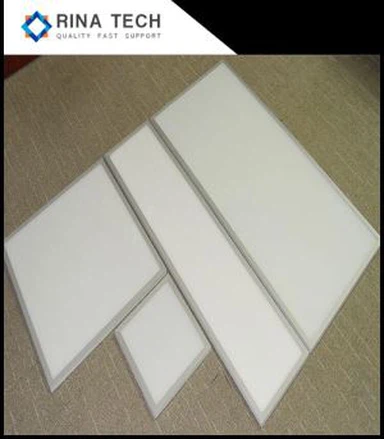
1. The difference between the structure of the direct-emitting panel light and the side-emitting light is that there is no light guide plate.
2. The light guide plate (PMMA) generally has a light guide rate of about 93%. Because of the large distance between the lamp beads, the distance between the lamp beads and the PC diffuser must be relatively large for the direct-emitting panel lamp, so that it is only when it is lit. Will not form dark areas. The light emitted by the lamp beads of the side-emitting panel lamp is reflected by the reflective film of the light guide plate and then irradiated. After passing through the light guide plate, the light flux will be lost.
3. The thickness of the luminaire of the direct-emitting panel light is generally between 3.5cm-5cm, and the side-emitting panel light is generally between 8mm-12mm, which is much thicker than the side-emitting panel light.
4. However, the luminous flux of the direct-emitting panel lamp is higher than that of the side-emitting lamp with the same lamp beads.
The LED side-emitting lamp bead size code is 335, the number of lamp beads per meter is 30, 60, or 120, and the colors are: red, green, blue, white, warm white, pink, and purple.
The biggest difference between the LED side light bar and other LED light bars is the light emitting method. The side of the lamp with the largest area emits light and is level with the plane of the carrier PCB. Others such as 3528 and 5050 light bars emit light from the front side. The carrier PCB is in a vertical position.
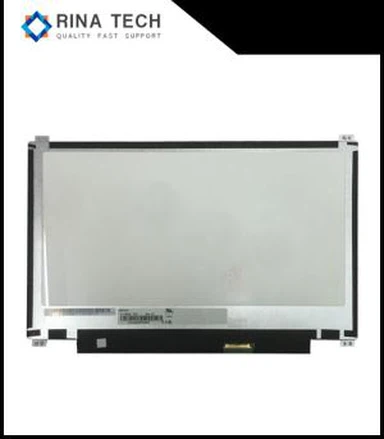
The LED side-light backlight is a backlight made by placing a linear or point-shaped light source on the side of a specially designed light guide plate. The direct backlight process is relatively simple and does not require a light guide plate. The light source (LED chip array) and PCB are placed at the bottom of the backlight. After the light is emitted from the LED, it passes through the reflector at the bottom, and then passes through the diffuser on the surface to increase the brightness. The film is ejected evenly.
When edge-lit LED backlights are applied to medium and large-sized LCDs, the weight and cost of the light guide plate will increase with the increase in size, and the brightness and uniformity of the light emission are not ideal. The light panel cannot realize the regional dynamic control of the LCD TV, but can only realize simple one-dimensional dimming, while the direct-lit LED backlight performs better and can realize the regional dynamic control of the LCD TV.
The edge-lit backlight can be made very thin, but the light utilization rate of the backlight source is small, and the thinner the utilization rate is smaller. Its technical core is the design and production of the light guide plate. At present, there are mainly two types of printing and injection molding. In the form of light guide plate, others such as injection molding and printing, laser dotting, and corrosion account for a small proportion, which is not suitable for the principle of mass production.
The advantages of direct backlight technology are high brightness, good light viewing angle, high light utilization efficiency, and simple structure. Reserve a certain space between the diffuser and the LED light source to improve brightness uniformity. Therefore, the direct-lit backlight also increases the thickness, weight, and power consumption of the module at the same time. Therefore, the number of light sources, luminous brightness and power consumption are all larger than those of the side. Light-type backlight.