


Prism Film LCD
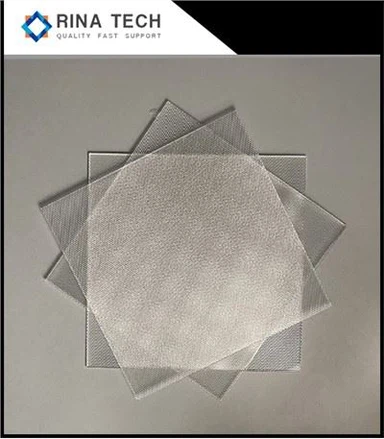
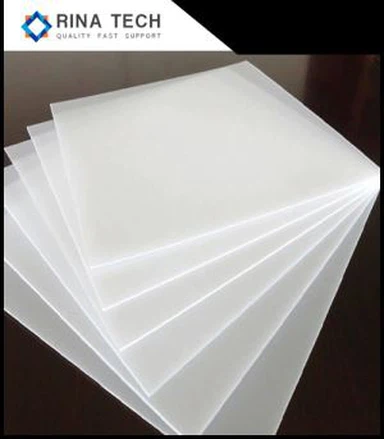
Prism Film LCD brings you into a visual experience with brighter colors and more vivid images. Our Prism Film is an innovative optical film designed specifically for liquid crystal displays (LCDs) that effectively enhances display effects, achieves wider viewing angles and higher contrast. By efficiently dispersing light and optimizing color reproduction, Prism Film LCD makes every frame vivid, providing amazing clarity and vividness whether watching movies, playing games or presenting professional images.
- Fast Delievery
- Quality Assurance
- 24/7 Customer Service
Product Introduction
Rina Technology Co., Ltd. is one of the leading manufacturers and suppliers of prism film lcd in China. Welcome to wholesale durable products in stock here and get quotation from our factory. All customized products are with high quality and low price.
What is prism sheet?

Definition of Prism
Prism Film LCD refers to a specialized optical film used in liquid crystal displays (LCDs) to enhance light transmission and improve overall display quality. This film is designed with micro-prismatic structures that manipulate light, allowing for better brightness, contrast, and color reproduction.
Product Information
Principle of a Prism
A prism operates on the principle of refraction, which is the bending of light as it passes from one medium to another with a different density. When light enters a prism, it slows down due to the higher optical density of the prism material (typically glass or plastic). This change in speed causes the light to change direction at the boundary of the two materials. A prism has two surfaces at an angle to each other, and as light passes through the prism, it bends at these interfaces.
The most common type of prism is the triangular prism, which has a triangular cross-section. When white light passes through a prism, it refracts at both surfaces. Different wavelengths of light (colors) bend by different amounts due to their varying speeds in the medium, leading to the dispersion of light into its constituent colors (spectrum). This is why a prism can separate light into a rainbow of colors, as seen in experiments with white light.
Composition of a Prism
1.Material: Prisms are typically made from optical-quality glass or clear plastic (such as acrylic or polycarbonate). The choice of material affects the refractive index, which determines how much the light will bend. Common materials include crown glass and flint glass, each with different refractive properties.
2.Shape: The shape of the prism significantly influences its optical behavior. The most common shape is the triangular prism, but prisms can also be found in various geometries, including rectangular, pentagonal, and more complex shapes like wedge prisms.
3. Surface Finish: The surfaces of the prism must be polished to achieve clear and accurate light transmission. The quality of the surface finish can greatly impact the optical performance, as any imperfection can scatter light and reduce clarity.
4. Coatings: Prisms may also come with anti-reflective coatings to minimize the amount of light lost at the surfaces due to reflection. These coatings enhance transmission efficiency, especially useful in precision optical applications.

Production process
1. Raw material preparation
Optical material selection: The first step in producing Prism Film LCD is to select high-quality optical materials. These materials usually include polyester film and other optical coatings to ensure optimal optical performance and durability.
Chemical treatment: The raw materials may need to be chemically treated to improve their optical properties, such as transmittance and reflectivity.
2. Film manufacturing
Coating process: The optical material is coated on the substrate to form a uniform film. This process requires precise control of the coating thickness to ensure the performance of the final product.
Drying and curing: The coated film needs to be dried and cured to ensure the stability and durability of the material.
3. Optical structure design
Optical design: Design the optical structure of the film according to customer needs and application scenarios. This includes determining the arrangement, angle and shape of the prism to optimize the dispersion and transmission of light.
Simulation and testing: Optical performance testing is performed using computer simulation software to ensure that the design can achieve the desired effect.
4. Cutting and forming
Cutting: Cut the manufactured film into the required size and shape, which is usually customized according to the specific requirements of the customer.
Molding: In some cases, the film may need to be further molded to fit a specific display design.
5. Quality Control
Optical Performance Testing: Each batch of Prism Film is subjected to rigorous optical performance testing, including indicators such as transmittance, color reproduction and viewing angle.
Physical Performance Testing: Check the durability, scratch resistance and other physical properties of the film to ensure its reliability in actual applications.
6. Packaging and Shipping
Packaging: Qualified Prism Film LCD products are properly packaged to prevent damage during transportation.
Shipping: Arrange timely shipment according to customer order requirements to ensure that customers can receive the products on time.

Products advantage
1. Light Manipulation:
- The prism structures within the film refract and redirect light, enhancing the brightness of the display. This is particularly beneficial in environments with high ambient light, where visibility can be compromised.
2. Improved Viewing Angles:
- Prism Film LCDs are engineered to widen the viewing angles, ensuring that the display remains clear and vibrant from various perspectives. This is crucial for applications where multiple viewers may be watching the screen simultaneously.
3. Color Enhancement:
- By optimizing light distribution, the prism film enhances color saturation and accuracy, making images appear more vivid and lifelike. This is essential for applications in advertising, digital signage, and high-end consumer electronics.
4. Thin and Lightweight:
- The film is typically thin and lightweight, making it easy to integrate into various display technologies without adding significant bulk. This characteristic is advantageous for portable devices and sleek display designs.
Application Scenario
1. Light Manipulation
Application Scenario: High Ambient Light Environments
Context: In places such as shopping malls, outdoor advertising panels, and public transport hubs, displays are often exposed to bright overhead lighting or direct sunlight.
Benefit: The prism structures in the film work to refract and redirect light, resulting in significantly enhanced brightness. This ensures that images and texts on displays remain clear and legible, even in brightly lit situations. For instance, digital billboards fitted with Prism Film can attract attention and be read from a distance, effectively conveying marketing messages despite surrounding lighting challenges.
2. Improved Viewing Angles
Application Scenario: Public Displays and Event Venues
Context: In settings such as theaters, concert halls, or sports arenas where audiences can be seated at various angles from the screen, it's crucial to maintain visual consistency.
Benefit: The engineered prism film broadens the viewing angles, enabling multiple spectators to enjoy a high-quality visual experience without significant loss of image quality or color accuracy, regardless of their seating position. For example, in a concert setting, attendees positioned at the sides will still see the performance screen clearly, enhancing engagement and satisfaction.
3. Color Enhancement
Application Scenario: Advertising and Digital Signage
Context: In the advertising industry, vibrant and engaging visuals are key to capturing consumer attention in high-traffic areas.
Benefit: By optimizing light distribution, Prism Film LCD enhances color saturation and accuracy, ensuring that graphics and videos display vivid and realistic colors. This is particularly effective for billboards and digital signage in urban environments or retail spaces, where striking visuals can influence consumer behavior and drive sales.
4. Thin and Lightweight
Application Scenario: Portable Devices and Sleek Display Designs
Context: In the development of mobile devices, tablets, laptops, and ultra-thin TVs, manufacturers seek to create lightweight products without compromising on quality.
Benefit: The thin and lightweight nature of Prism Film allows for easy integration into various technologies, contributing to the overall design aesthetics while maintaining high performance. For instance, a tablet with an embedded Prism Film LCD can deliver bright, high-quality images while remaining portable and easy to handle, appealing to consumers who prioritize both functionality and style.

Certificate authority

Shipping And Payment

Reviews and Feedback
Customer reviews and feedback about our product.


Hot Tags: prism film lcd suppliers, factory, customized, price, in stock, Factory Price Diffuser Sheet For Led Light, Acrylic Led Light Diffuser Sheet, LGP Diffuser Plastic, Light Diffuser Plate For LCD TV, Light Diffuser Plate For Sale, Acrylic Material Light Diffuser Plate