


What Happens If Your Automotive Light Guide Plate Gets Scratched Or Damaged?
Jun 12, 2026
What Happens If Your Automotive Light Guide Plate Gets Scratched or Damaged?
Understanding the Reality of Daily Use
Your car interior is not a museum. Things happen. Keys scrape against trim pieces. Bags slide across door panels. Children kick seat backs. A automotive light guide plate is designed to survive this reality, but scratches and damage can still occur.
Surface Scratches vs. Deep Damage
Not all damage is the same. Light surface scratches on a automotive light guide plate may be visible in bright sunlight but often disappear at night when the plate is glowing. Deep scratches or cracks that go through the material can scatter light unevenly, creating bright lines or dark spots.
How the Glow Hides Minor Imperfections
One of the advantages of a automotive light guide plate is that the even glow masks many surface imperfections. When the plate is illuminated, light scatters across the entire surface, making fine scratches nearly invisible.
Prevention Is Better Than Cure
While damage can be managed, preventing it is always better. A automotive light guide plate with a scratch-resistant coating provides an extra layer of protection. Being mindful of what touches your trim – avoiding sharp objects, cleaning with soft cloths – extends the life of the plate.
Types of Damage and Their Effects
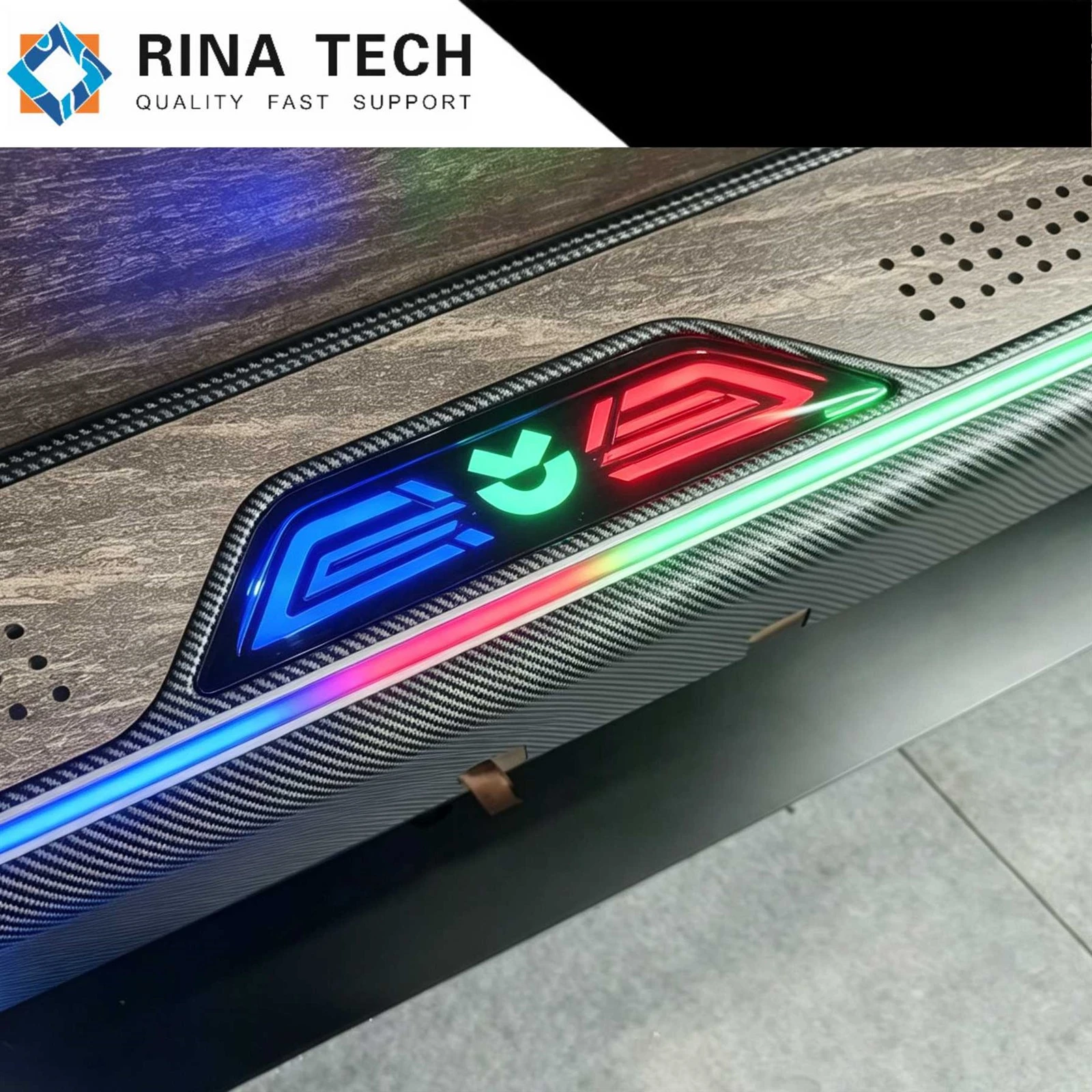
Fine Surface Scratches
Fine scratches are the most common type of damage on any interior trim piece. On a automotive light guide plate, these appear as thin lines in bright daylight. The effect on illumination is minimal because the light scatters across the plate, filling in the scratch lines.
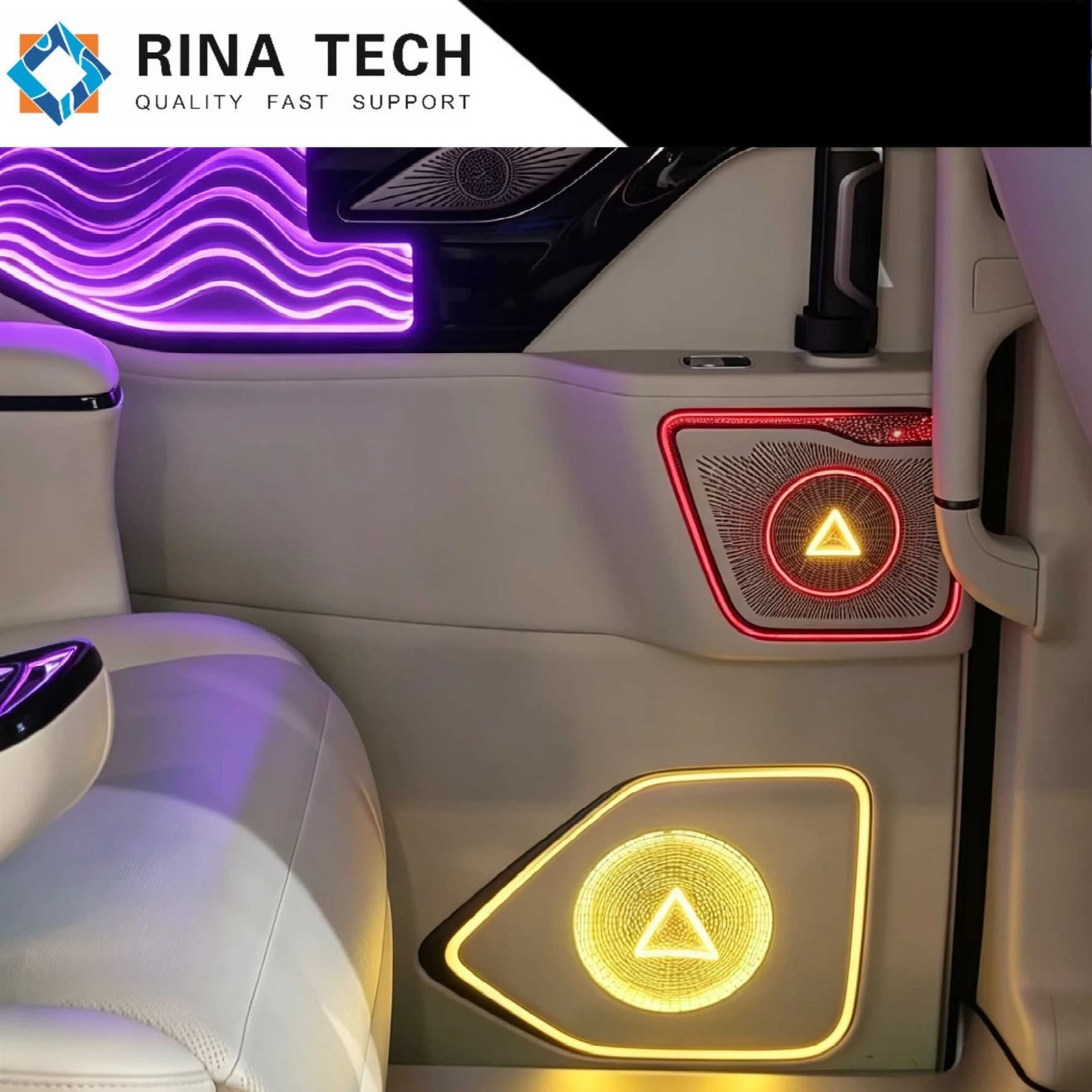
Deep Grooves or Gouges
Deep scratches that remove material from the surface of a automotive light guide plate can affect light distribution. The groove may appear as a dark line when the plate is illuminated because light cannot travel through the damaged area properly.
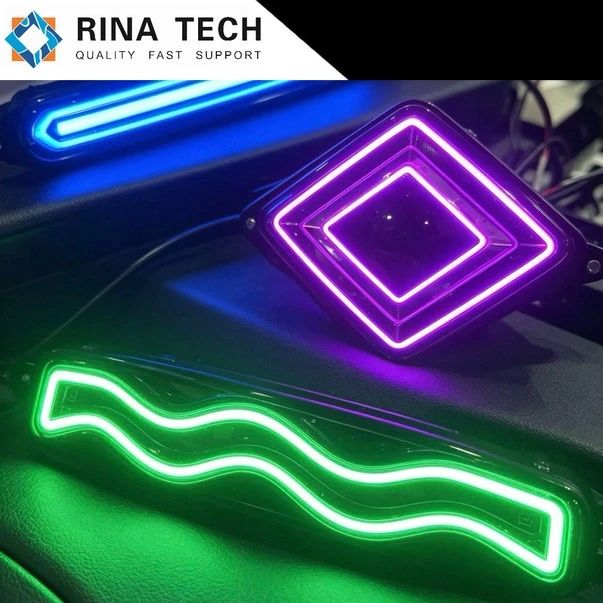
Edge Chips or Cracks
The edges of a automotive light guide plate are where light enters from the LEDs. A chip or crack at the edge can block light from entering the plate at that point. This may create a dark area near the damaged edge.
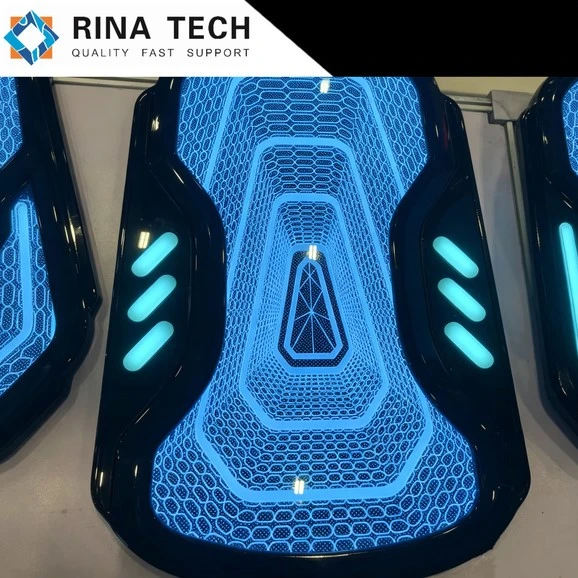
Yellowing or Clouding
Over many years, exposure to sunlight can cause some materials to yellow. A high-quality automotive light guide plate uses anti-yellowing formulation to resist this. However, if a lower-quality plate was used or if the plate is very old, yellowing or clouding can occur.
Does Damage Ruin the Glow?
Preventing Damage to Your Light Guide Plate
Choose the Right Material
Start with a automotive light guide plate that has a scratch-resistant hard coating. This coating is applied during production and adds significant protection against everyday wear. Not all plates offer this feature.
Clean Properly, Clean Gently
Improper cleaning is a major cause of scratches. Use only soft microfiber cloths on your automotive light guide plate. Avoid paper towels, rough fabrics, or any cloth that has picked up dirt or sand.
Be Mindful of What Touches the Plate
Keys, phones, bags with metal zippers, and pet claws are common scratch sources. A automotive light guide plate is durable, but it is not indestructible. Train yourself to be aware of what contacts the trim area.

Use Protective Film During Install
During installation, a automotive light guide plate is most vulnerable to accidental scratches. Keep the protective shipping film on as long as possible. Remove it only after the plate is fully mounted.