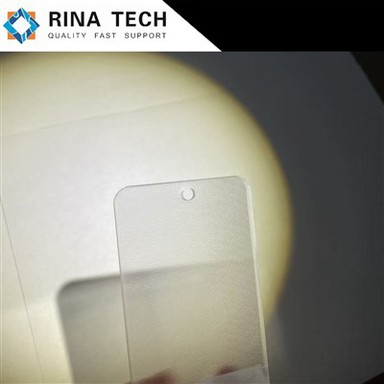

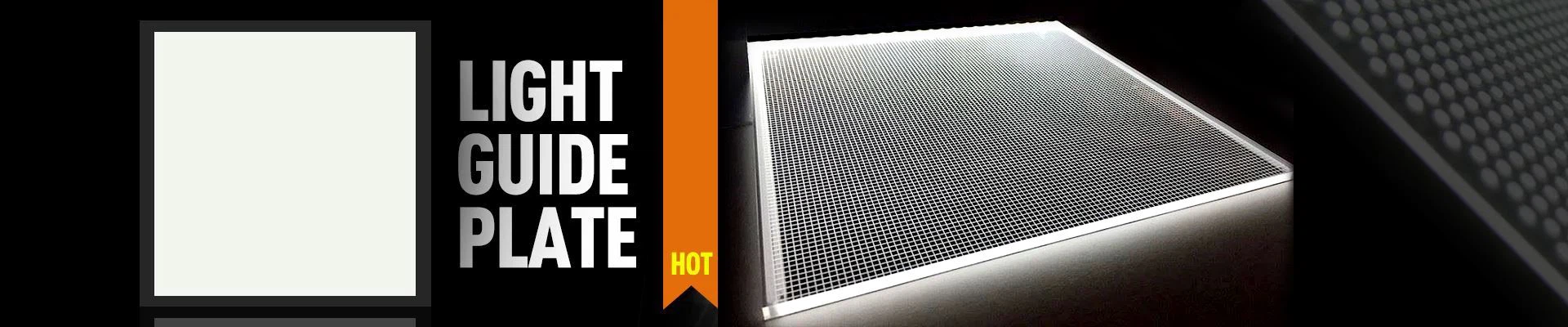
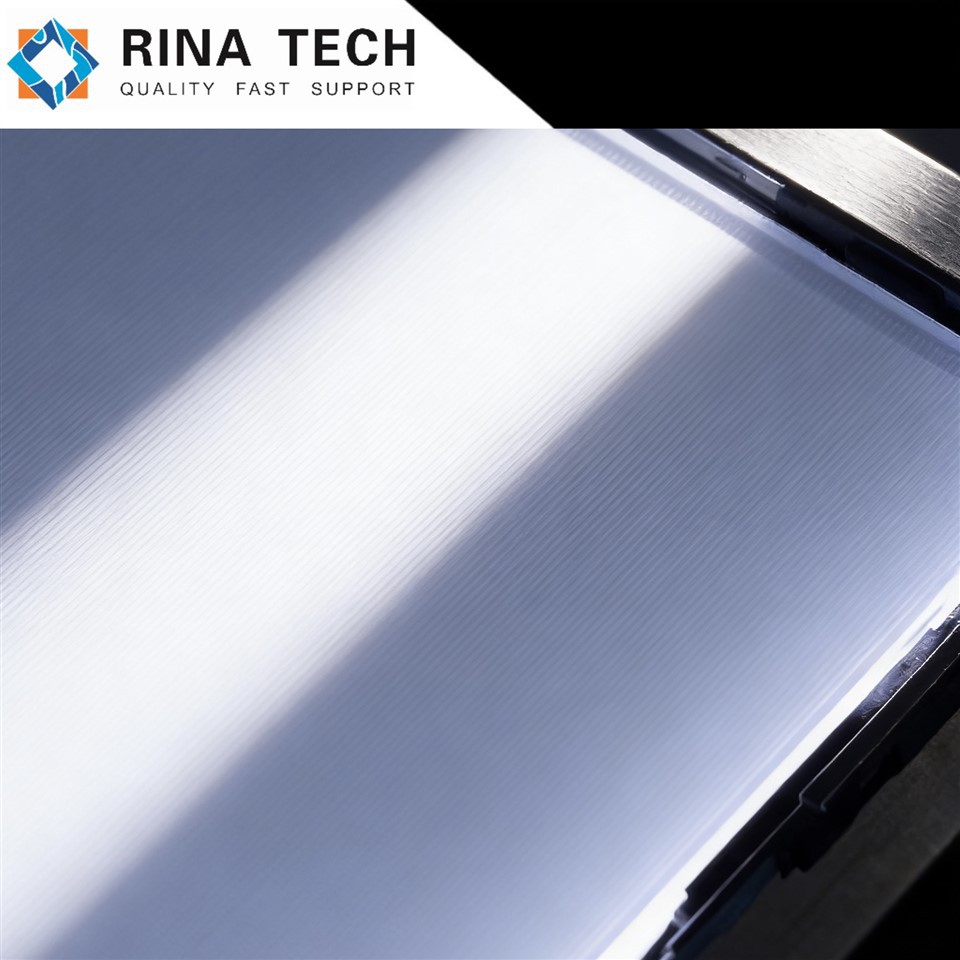


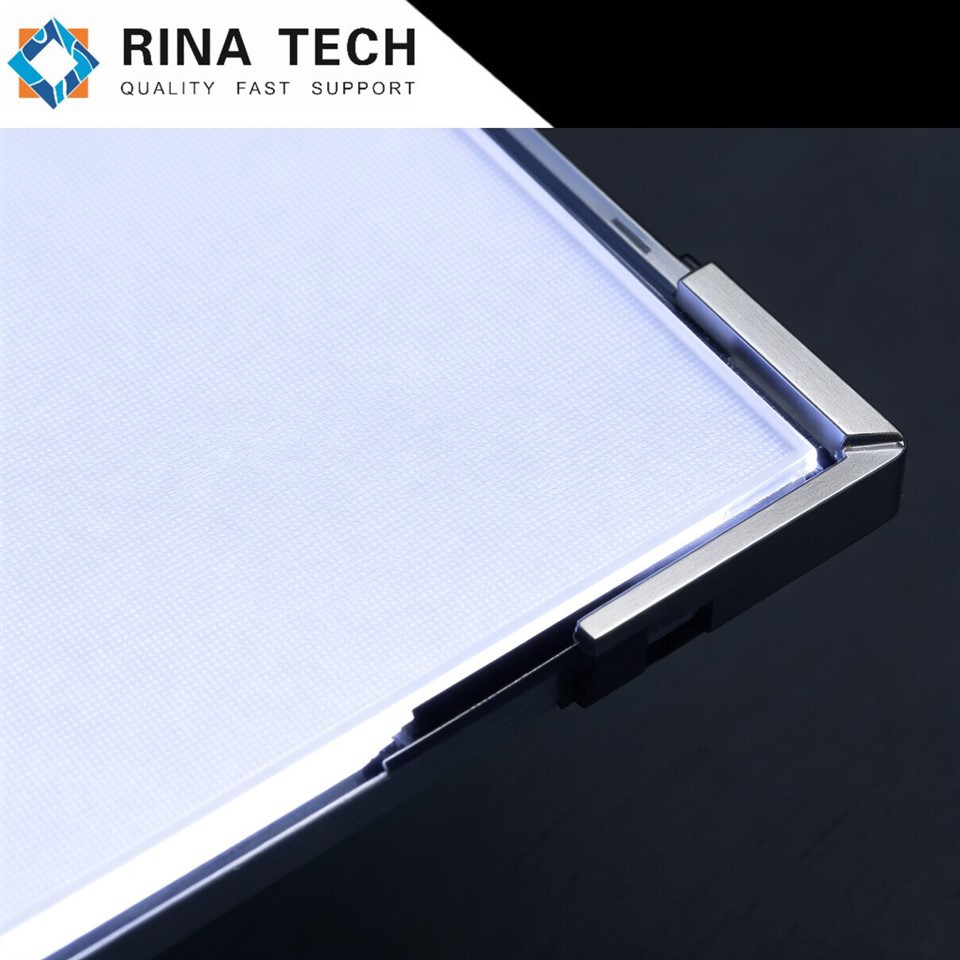
Side-Entry Module Light Guide Plate
Product Name: Laser-Dotted Custom Irregular LGP
Material: PMMA, PC, PS
Dimensions: Customizable
Shape: Custom
Thickness: Customizable (0.4mm and above)
Advantages:
Light Transmission and Conversion
Light Optimization and Loss Control
Slim Profile Adaptability and Energy Efficiency
- Fast Delievery
- Quality Assurance
- 24/7 Customer Service
Product Introduction
Rina Technology Co., Ltd. is one of the leading manufacturers and suppliers of side-entry module light guide plate in China. Welcome to wholesale durable products in stock here and get quotation from our factory. All customized products are with high quality and low price.
Products Description
Introduction to Side-Entry Module Light Guide Plates
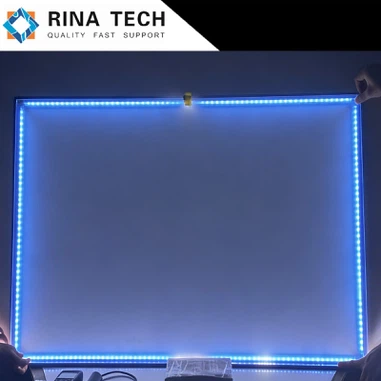
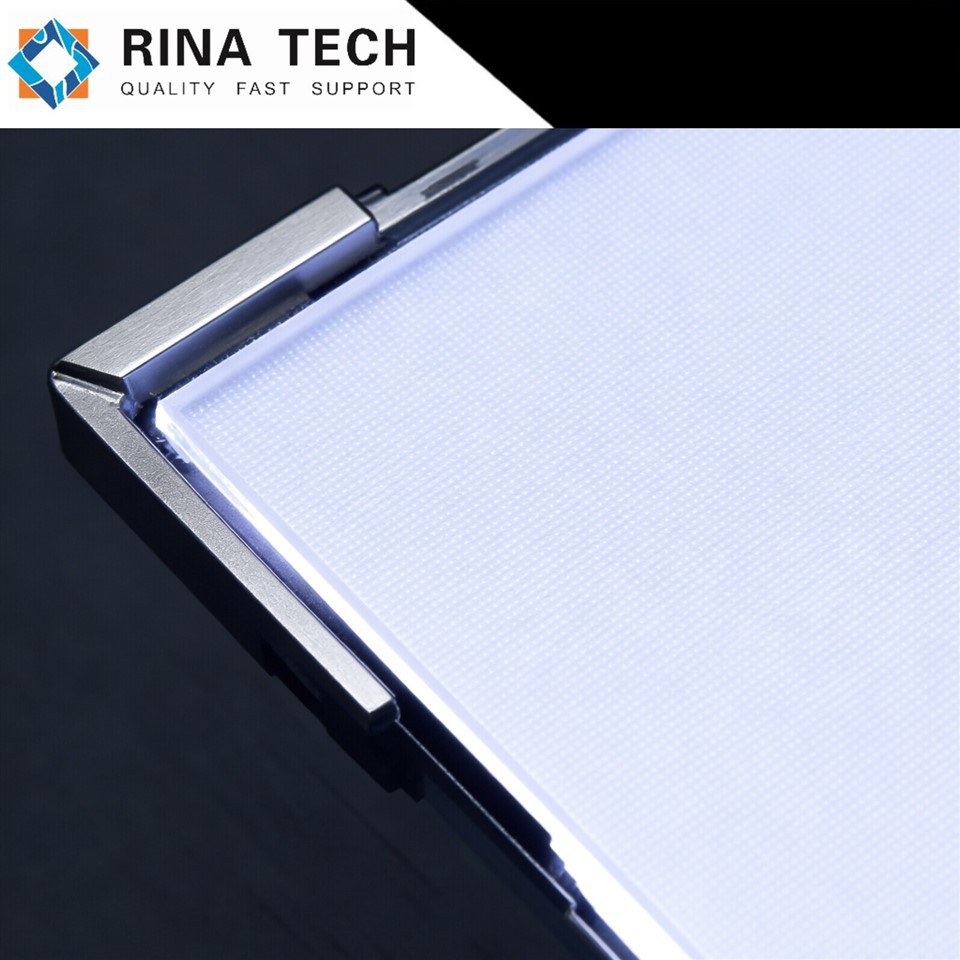
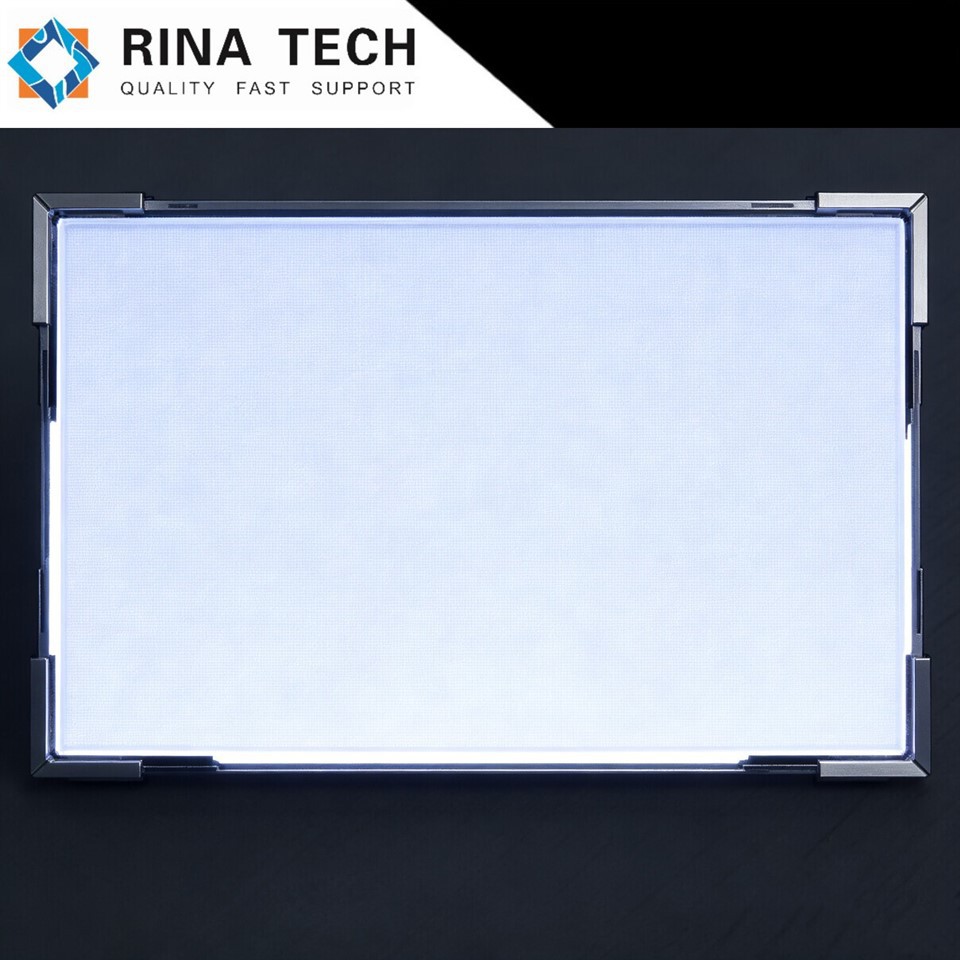
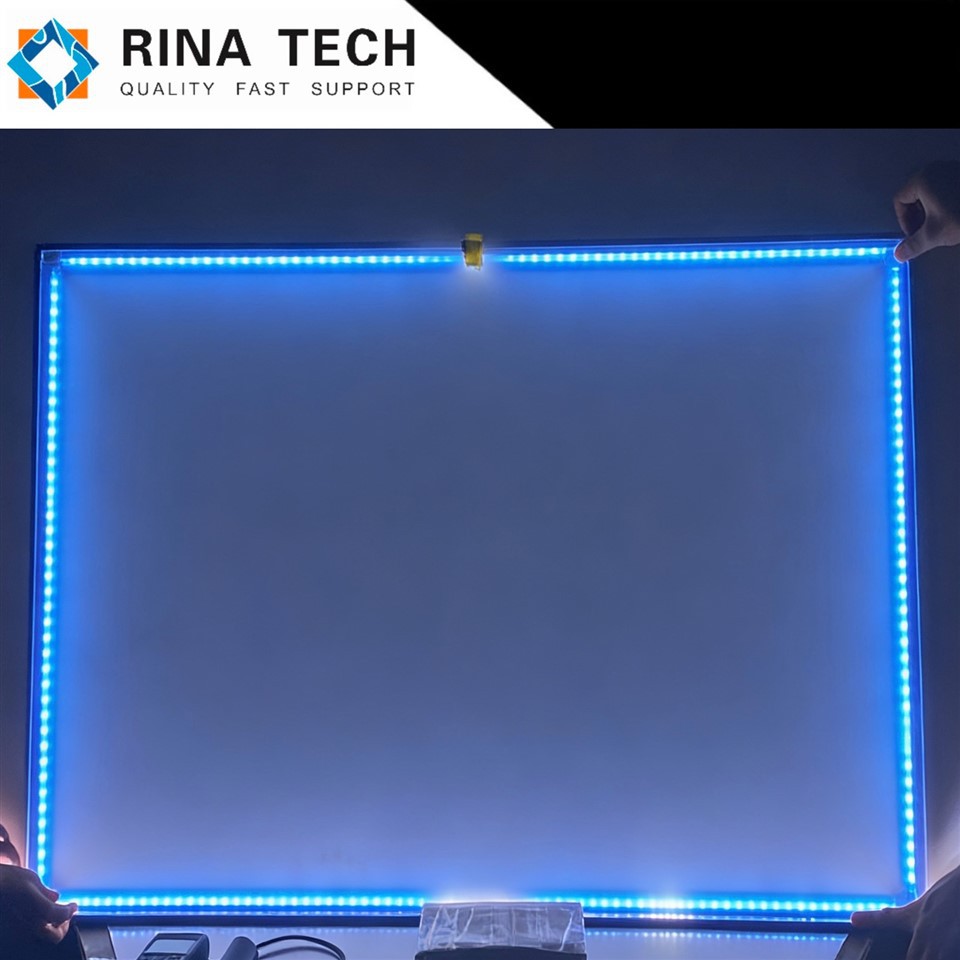
The Side-Entry Module Light Guide Plate serves as a core optical component in LED backlight modules and lighting fixtures. Its fundamental design principle involves positioning the LED light source along the edges of the guide plate-
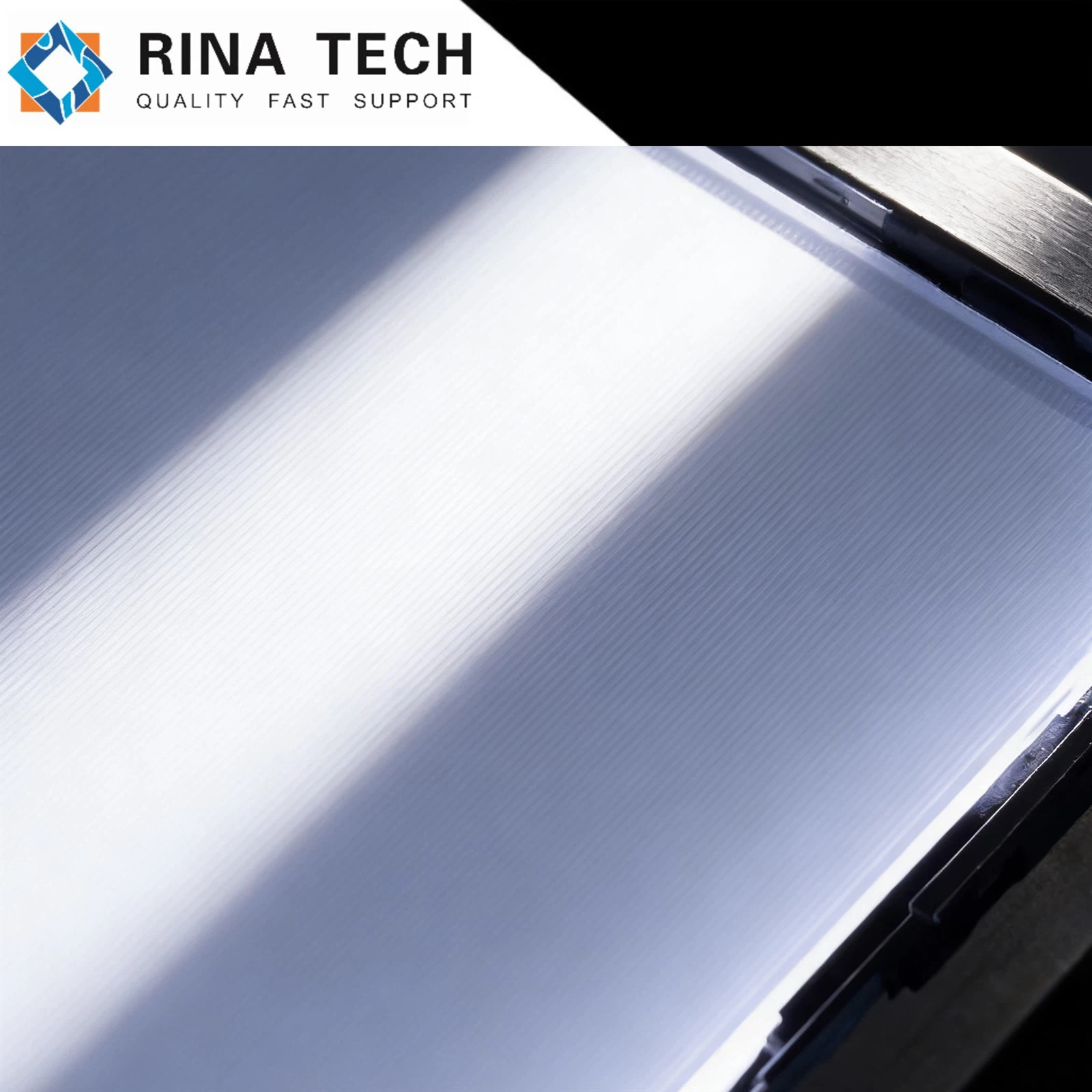
whether on a single side, both sides, or all four sides-rather than on the front or back surfaces. By leveraging optical-grade base materials and precision micro-structure designs, it achieves highly efficient light transmission and uniform diffusion.
Compared to direct-lit guide plates,
the primary advantage of the Side-Entry Module Light Guide Plate lies in its ultra-thin profile; typically ranging in thickness from 2 to 8 mm, it effectively conserves space within the device and is ideally suited for a wide range of products with strict requirements regarding compactness and aesthetics.
The core functionality of the Side-Entry Module Light Guide Plate
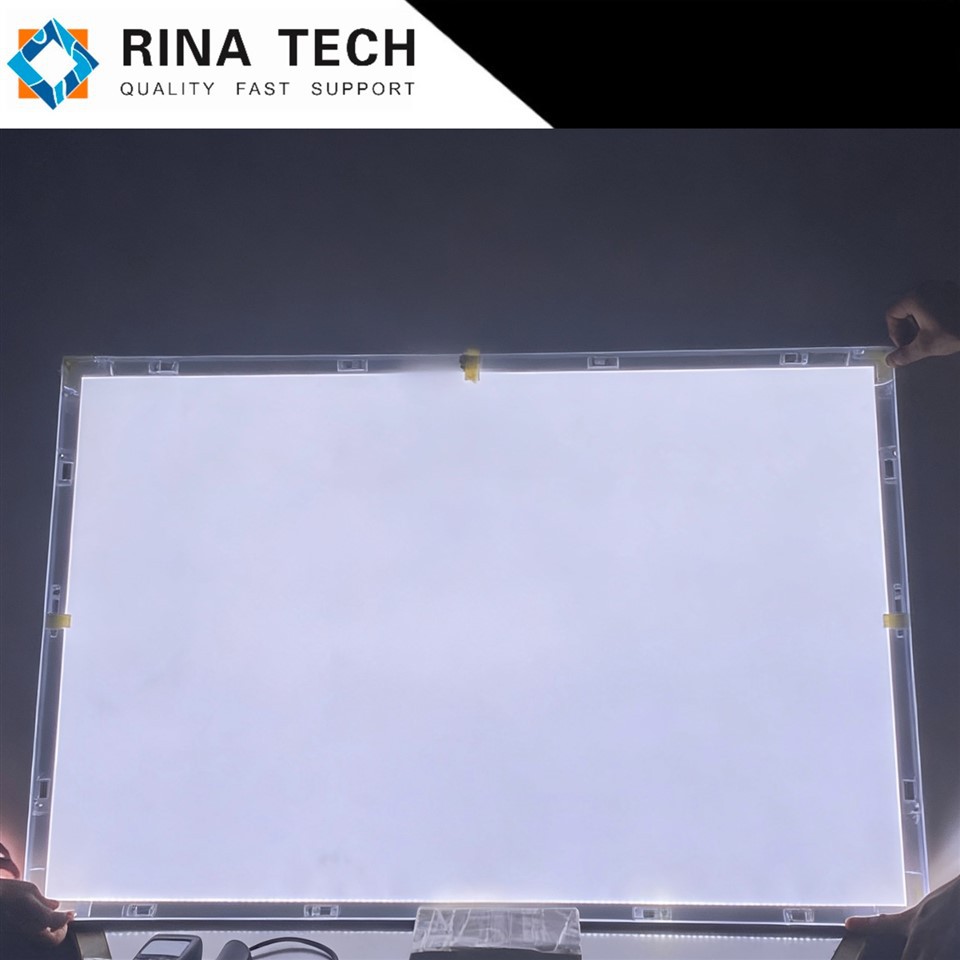
First is the function of light conduction and transformation: the plate efficiently captures the linear light emitted by side-mounted LED sources and, through the reflection and scattering effects of precise internal microstructures (such as dot patterns and micro-grooves), uniformly transforms this linear source into a planar light source. This process effectively eliminates the issue of brightness non-uniformity often caused by directional light propagation-a core functional advantage that distinguishes this design from direct-lit light guide plates.
Second is the function of light optimization and loss control: when paired with reflective and diffusive films, the plate can recapture downward-diverging light to minimize light loss. Simultaneously, it softens the light and eliminates glare, thereby enhancing light gentleness and visual comfort, while ensuring uniform brightness across the light-emitting surface-free from dark zones, bright spots, or "hotspots."
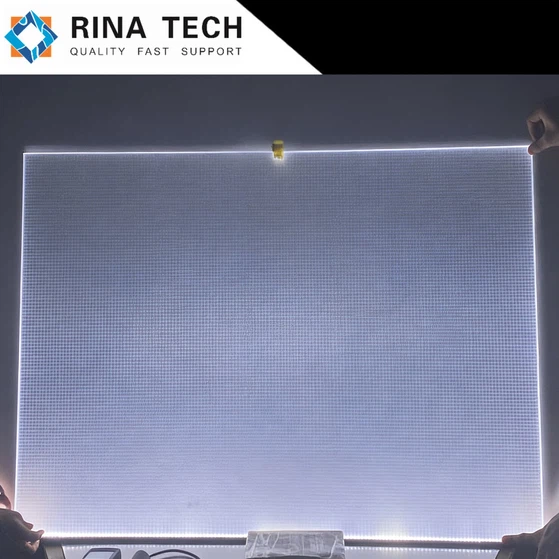
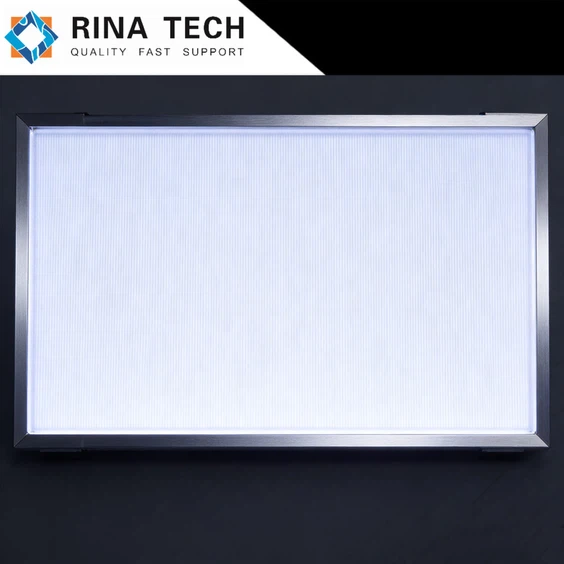
Third is the function of slim-profile adaptability and energy efficiency: because the light source does not occupy space on the front or back surfaces of the light guide plate, the overall thickness of the device can be significantly reduced, aligning perfectly with the modern design trend toward ultra-thin electronic devices.
Furthermore, RINA TECH's optimized Side-Entry Module Light Guide Plate utilizes a highly efficient light conduction design to maintain brightness output while reducing the number of LEDs required; this achieves energy conservation and cost reduction, thereby lowering device operating costs and simplifying thermal management challenges.
Production Process for Side-Entry Module Light Guide Plates
Step 1: Substrate Preparation. This involves selecting optical-grade PMMA pellets characterized by high light transmittance. These pellets undergo rigorous drying treatment to eliminate internal moisture, thereby preventing the formation of bubbles or impurities during the subsequent molding process that could compromise light transmission efficiency.
Step 2: Mold and Stamper Installation. A stamper-featuring a precisely designed optical microstructure (complementary to the dot pattern on the light guide plate)-is installed within the injection mold. The precision of the mold directly determines the final shape of the light guide plate as well as the integrity of its microstructures.
Step 3: Melt Injection Molding. The dried PMMA pellets are fed into an injection molding machine. Through the rotational conveyance of a screw mechanism and heating elements, the pellets are melted and plasticized. The molten material is then injected under pressure into the mold cavity, followed by a pressure-holding and cooling/solidification phase to form the semi-finished light guide plate. Step 4: Semi-finished Product Processing. Once the semi-finished plate is extracted by a robotic arm, it undergoes gate cutting and polishing of the light-entry surface. This process removes excess material and ensures the smoothness of the light-entry surface, thereby enhancing light coupling efficiency.
Step 5: Optical Inspection. Specialized optical equipment is utilized to evaluate key performance metrics of the light guide plate, such as light transmittance and brightness uniformity, allowing for the rejection of non-conforming products. At this stage, RINA TECH employs high-precision inspection equipment to guarantee a high product pass rate and consistent optical performance stability. Step 6: Finished Product Packaging. The qualified light guide plates undergo a final cleaning and protective film application process to prevent surface scratches. They are then subjected to standardized packaging procedures to facilitate safe storage and transportation.

RINA TECHNOLOGY
is a high-tech enterprise specializing in research, development, production ,sales of Optical LED products and provide the one step optical lighting solution for customers.Established in 2011, Hong Kong, after years of rapid development, Rina Tech has settled office and factory in Shenzhen,and has professional senior technicians and qualified managers,has a talented team for product research and designing.
Nowadays, we have laser cutting machines, printers, film cutting machines, injection molding equipments,high-standard assembly workshops, BM-7 clean machines and other advanced equipments.
Our factory daily output is more than 80000pcs. to cater for the market at home and abroad.With years of unremitting effort,RINA TECH has passed get the Registration Certificate ofCustoms Declaration Unit of the People's Republic of China , National Credit Cultivation Certificate and Get our own Brand already.
We has made many breakthroughs in researching and manufacturing and has
obtained lots of good reputation from oversea customers.
Now we has cooperated with and become strategic partner of some famous enterprises such as LG, Samsung, Lenovo etc."Living on Sincerity, following with Market, Advancing by Specialty" is our eternal philosophy,and the company motto is "Good at Production, Good for Society".
We look forward to cooperating with you to make the world better and future brighter!
FAQ
Q1: What is the core difference between a Side-Entry Module Light Guide Plate and a Direct-Lit Light Guide Plate?
A1: The core difference lies in the placement of the light source and the product's thickness. With a Side-Entry Module Light Guide Plate, the light source is mounted on the side, eliminating the need to position light sources on the back; this results in a thinner overall profile (typically 2–8 mm), making it ideal for ultra-thin designs. In contrast, a Direct-Lit Light Guide Plate features light sources positioned on the back, resulting in a thicker profile; however, it offers higher brightness, making it suitable for applications where high brightness is a priority and thickness is not a critical constraint.
Q2: What is the typical service life of a Side-Entry Module Light Guide Plate?
A2: Under normal operating conditions, a Side-Entry Module Light Guide Plate manufactured using optical-grade PMMA as the base material can have a service life of 7 to 8 years. If the product undergoes special UV protection treatment, its service life can be extended even further. Products manufactured by RINA TECH-thanks to optimized materials and manufacturing processes-boast a service life that is approximately 10% longer than the industry average.
Q3: Can the thickness and dimensions of a Side-Entry Module Light Guide Plate be customized?
A3: Yes, they can. The thickness of a Side-Entry Module Light Guide Plate is typically customizable within a range of 0.3 mm to 20 mm. Dimensions can be flexibly tailored to meet specific equipment requirements, with support for sizes up to 1220 mm x 2440 mm. Most manufacturers (including RINA TECH) are capable of producing custom products-featuring specific shapes, thicknesses, and optical parameters-based on the client's exact specifications.
Q4: How should one address issues of uneven brightness during the operation of a Side-Entry Module Light Guide Plate?
A4: First, inspect the surface of the light guide plate for any stains or scratches; clean or replace the plate as necessary. Second, check whether the reflective film and diffuser film are properly installed or if they have sustained any damage; replace any damaged accompanying components. If none of the above issues are present, the uneven brightness may stem from defects within the light guide plate's internal optical microstructures; in such cases, it is recommended to contact the manufacturer for inspection and replacement.
Hot Tags: side-entry module light guide plate suppliers, factory, customized, price, in stock