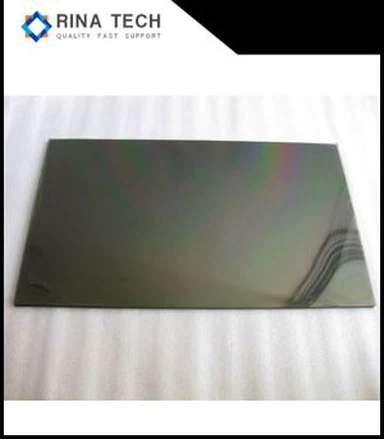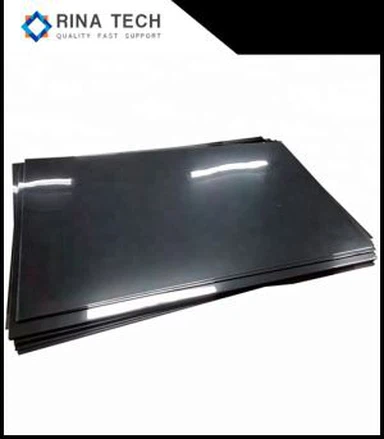




Ultrathin 0/90/45/135 Degree Polarizer Film For TV Repair TV
Ultrathin polarizer film is an optical material used in televisions to enhance image quality by filtering light at specific angles—0, 45, 90, and 135 degrees. In TV repair, this film is essential for restoring display brightness and color contrast while reducing glare and reflections. Its ultrathin design allows for seamless integration into modern, slim TV models, making it ideal for LCD and LED screens. By addressing display malfunctions, this polarizer film helps extend the lifespan of televisions.
- Fast Delievery
- Quality Assurance
- 24/7 Customer Service
Product Introduction
Rina Technology Co., Ltd. is one of the leading manufacturers and suppliers of ultrathin 0/90/45/135 degree polarizer film for tv repair tv in China. Welcome to wholesale durable products in stock here and get quotation from our factory. All customized products are with high quality and low price.
<iframe width="1050" height="591" src="https://www.youtube.com/embed/ne7k9Npf82E" title="The cutting process of polarizer film!" frameborder="0" allow="accelerometer; autoplay; clipboard-write; encrypted-media; gyroscope; picture-in-picture; web-share" referrerpolicy="strict-origin-when-cross-origin" allowfullscreen></iframe>
Products Description
Ultrathin 0/90/45/135 Degree Polarizer Film For TV Repair TV
Ultrathin 0/90/45/135 Degree Polarizer Film is a specialized optical film used for the maintenance and repair of television screens, designed to control light transmission through polarization at four specific angles: 0, 45, 90, and 135 degrees. By filtering light effectively, this film significantly enhances image quality by improving color contrast, brightness, and clarity while reducing glare and reflections, resulting in a better viewing experience.
The film's ultrathin profile allows for seamless integration into modern flat-screen TVs, particularly LCD and LED models, without adding bulk. When technicians replace damaged or degraded polarizer films with this advanced film, they can restore visual performance, ensuring clearer and more vibrant images that enhance user satisfaction and extend the lifespan of the television.

Company Profile

rina technology
We are RINA TECH, a leading global provider of optical and manufacturing solutions. Our mission is to become the premier source for optical innovations and supply chain services worldwide.
Founded in Hong Kong in 2011, we have rapidly expanded and now operate an office and factory in Shenzhen. Specializing in the research, development, production, and sales of optical materials, we offer comprehensive optical lighting solutions to our clients. We proudly collaborate with notable companies like Toyota, BOE, FLEX, Xiaomi, Siemens, and Coca-Cola, among others.
Product information
Polarizer Film

1. Do You Know What a Polarizer Sheet Is?
Polarizer Sheet Material:
Polarizer sheets, often utilized in LCD displays, are usually composed of a 0.13mm thin layer of polyvinyl alcohol (PVA). This material is processed through a stretching and aligning technique, which creates a long-chain polymer structure. To impart polarizing properties, a layer of iodine is then applied to the film.
TV Polarizer Sheets vs. IPS Polarizer Sheets:
LCD IPS 0.13mm polarizer films are designed as full-viewing polarizers, providing a wider viewing angle compared to LCD TV 0.13mm polarizer films, which offer near-full viewing angles. Consequently, the contrast and clarity of IPS polarizers are superior to those of standard TV polarizers. While TV polarizers are commonly found in television screens, IPS polarizers are more often used in mobile phones, laptops, and premium displays.
To distinguish between LCD IPS and LCD TV polarizer films, take a sample of each and tear them apart. Then, position the pieces at a right angle to each other and look through the attached plastic surfaces. The IPS polarizer will consistently appear black from any viewing angle, whereas the TV polarizer will exhibit color changes when viewed from different angles, looking lighter in comparison.
2. Do You Know What the Features of Polarizer Sheets Are?
LCD 0.13mm polarizer films possess several distinctive features, including:
Polarization:
These films effectively polarize light, filtering out unwanted glare and reflections, thereby enhancing visibility and image quality.
Transparency:
With high transparency, the films allow light to pass through with minimal loss of brightness or color fidelity.
Impact Resistance:
The films are designed to withstand impacts and everyday wear and tear, ensuring they maintain their integrity in electronic devices.
Additionally, products may feature a dual protective layer, can come with or without adhesive on one side, and are available in either glossy or matte finishes.


3. Main Applications of 0.13mm Polarizer Films:
Improved Viewing Angles:
Polarizer products play a crucial role in electronic devices such as LCDs, TVs, and laptops by enhancing the viewing angles. They help to maintain consistent color and brightness across a wider range of angles, ensuring that the image remains clear and vibrant regardless of the viewer's position, thus providing a more enjoyable viewing experience.
Usability in Various Conditions:
By minimizing sunlight reflections and enhancing visibility, polarizers make devices such as mobile phones and GPS units easier to use in different lighting environments. This is particularly crucial for portable devices that are often used outdoors.
Widespread Applications:
Polarizers are utilized in a broad range of electronics-including tablets, computers, and smartphones-making them fundamental components for optimizing visual performance and ensuring user satisfaction across various platforms.
4. Please see the orientation of the Angle corresponding to the polarizer in the picture.
Measuring method:
1. Hold or tear the polarizer at an Angle. More easily torn vertically is the Angle of the polarizer;
2. Look at the words or points on the polarizer, and their arrangement direction is the direction of the polarizer.
3. Take a polarizer with a known Angle and overlap the polarizer to be measured, if the degree of light transmission of the two overlapping pieces is almost the same as the degree of light transmission of one, then the two angles are the same, and on the contrary, there is an Angle difference.


Why Choose US
1. High-Quality Materials:
We use premium-grade polyvinyl alcohol (PVA) and advanced manufacturing techniques, ensuring that our polarizer films deliver excellent optical performance and durability.
2. Wide Range of Applications:
Our polarizer films are suitable for various electronic devices, including TVs, smartphones, laptops, and tablets, making them versatile for different industries and applications.
3. Customizable Options:
We offer a variety of finishes (glossy or matte) and configurations (with or without adhesive) to meet specific customer needs and preferences.
4. Enhanced Visual Performance:
Our polarizer films significantly improve image clarity and color contrast, providing superior viewing experiences by reducing glare and reflections.
5. Durability and Longevity:
Designed to withstand scratches and physical damage, our polarizer films have a long service life, reducing the need for replacements and maintenance.
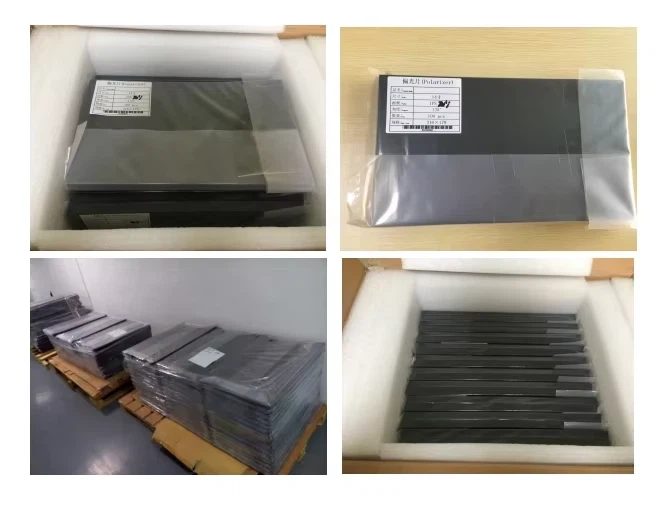
Product Packaging

Certifications

Shipment & Payment

FAQ
1. What is a polarizer film, and what does it do?
A polarizer film is an optical filter that allows light to pass through in a specific direction while blocking light polarized in other directions. It enhances image quality by reducing glare and improving contrast in displays.
2. What are the different types of polarizer films available?
We offer various polarizer films, including standard LCD polarizers, IPS polarizers, and specialized films for specific applications. Customers can choose between glossy or matte finishes and different thicknesses, such as 0.13mm 0.16mm.
3. How do I know which polarizer film is suitable for my device?
To determine the right polarizer film, consider your device type, screen size, and the desired viewing angle. Our team can assist you in selecting the most appropriate film based on your specific needs.
4. Can polarizer films be used in outdoor applications?
Yes, polarizer films can be used in outdoor applications, but it's essential to choose films designed to withstand UV exposure and environmental factors to ensure longevity and optimal performance.
5. How do I install polarizer film on my display?
Installation typically involves cleaning the screen, aligning the film correctly, and carefully adhering it to avoid air bubbles. We provide installation guidelines and tips to help ensure a smooth application.
6. Are polarizer films resistant to scratches and damage?
Our polarizer films are designed to be durable and resistant to scratches and physical damage. However, prolonged exposure to harsh conditions can affect their performance, so proper care is recommended.
7. What is the typical lead time for orders?
The lead time for orders varies depending on the quantity and customization requirements. Generally, we aim to process orders quickly, often shipping within a few business days. For specific timelines, please contact our customer service.
Hot Tags: ultrathin 0/90/45/135 degree polarizer film for tv repair tv suppliers, factory, customized, price, in stock, high brightness lcd display, Icd display board, ultra high brightness display, LcD digital signage, standing lcd advertising display, LCD display manufacturer in China