


Tv Backlight
Product Name:Tv Backlight
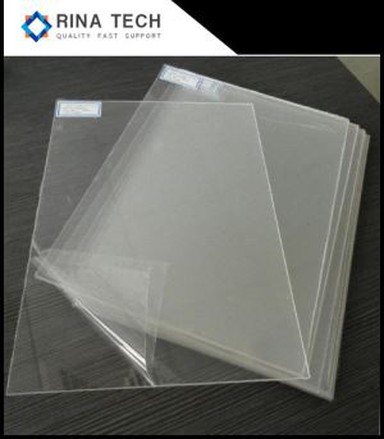
Materials: Light guide plate, diffuser plate, reflective film, brightness enhancement film, LED strip, outer frame
Thickness: Customizable
Size: Customizable
Brightness: Customizable
Advantage:
1. High Luminous Efficiency and Lower Energy Consumption
2. Excellent Brightness Uniformity and Stable Optical Performance
3. Support for Dimming and Local Dimming
4. Slim and Lightweight Design Options
- Fast Delievery
- Quality Assurance
- 24/7 Customer Service
Product Introduction
Rina Technology Co., Ltd. is one of the leading manufacturers and suppliers of tv backlight in China. Welcome to wholesale durable products in stock here and get quotation from our factory. All customized products are with high quality and low price.
Products Description
I. LED Backlit Module Product Introduction
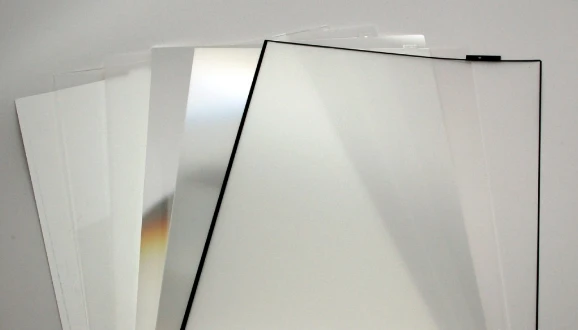
The TV backlight module is the core light-emitting component of an LCD television. Since the liquid crystal panel itself does not emit light, it relies on the backlight to provide a stable, uniform planar light source; light passes through optical films and the liquid crystal layer to produce the image on the screen.
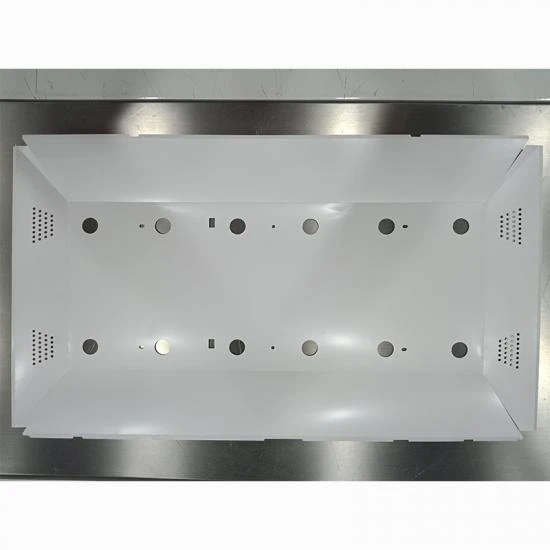
Current mainstream TV backlights fall into two structural categories: edge-lit and direct-lit (DLED). Edge-lit designs position LED strips along the panel's edges and use a light guide plate to distribute light across the entire screen, enabling a slim profile.
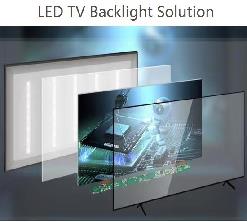
Mini LED backlighting represents an advanced evolution of the direct-lit architecture. RINA TECH offers customized TV backlight solutions in various sizes suitable for home televisions and commercial displays.
Components of a TV backlight
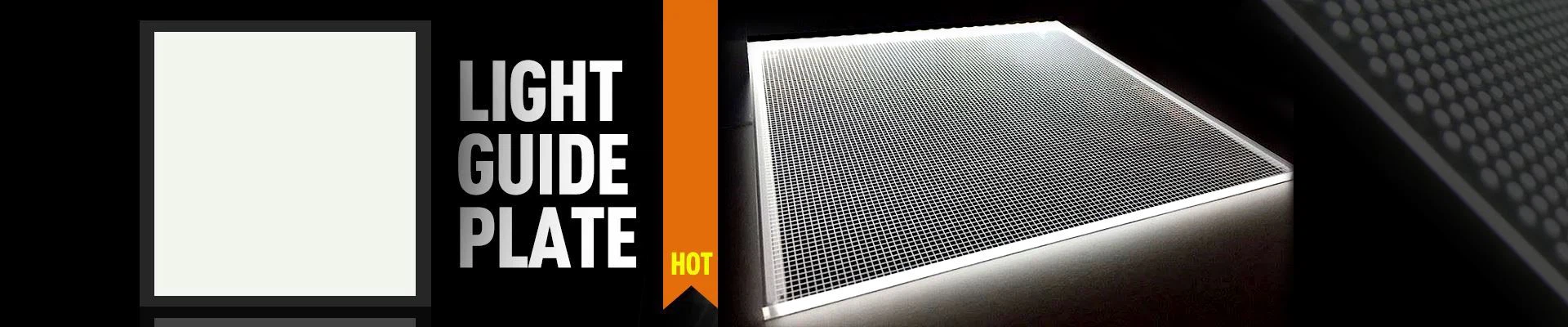
1. LED Light Strips / LED Beads: The core light source of the TV backlight, consisting of LED chips and PCB/FPC circuit boards; responsible for emitting the primary light. 2. Light Guide Plate (LGP): A core component of edge-lit TV backlights. Made of acrylic, it uses a microstructure of dots to convert a point light source from the edge into a uniform planar light source.
3. Reflective Sheet: Located at the bottom layer of the backlight unit; it reflects downward-leaking light back toward the display, reducing light loss and improving overall light utilization efficiency.
4. Diffuser Plate / Diffuser Film: Scatters light to eliminate hotspots from LED beads and soften the light source, ensuring uniform light output and preventing light spots or shadows.
5. Brightness Enhancement Film (BEF / Prism Film): Features a micro-prism structure that gathers scattered light and directs it toward the front of the screen, increasing frontal brightness without raising LED power consumption.
6. LED Driver Circuit: A constant-current driver board that stabilizes output current; it controls LED activation, dimming, and zone switching, while protecting the LED beads from damage caused by voltage fluctuations.
7. Back Plate & Plastic/Metal Frame: The metal back plate supports all optical components and provides heat dissipation and structural stability; the plastic frame positions the films and LGP, preventing component misalignment.
8. Optional Accessory – Quantum Dot Film (QDEF): Used to expand the color gamut and enhance the color performance of the TV backlight; commonly used in high-end televisions.
Advantages of TV Backlights
1. High Luminous Efficiency and Lower Energy Consumption:
Utilizing LED light sources significantly reduces power consumption compared to traditional CCFL backlights. They are energy-efficient, generate manageable heat during prolonged operation, and comply with energy efficiency standards.
2. Excellent Brightness Uniformity and Stable Optical Performance:
Precision optical films and light-guiding structures eliminate hotspots from point-source LEDs, ensuring consistent screen brightness and minimizing uneven illumination.
3. Support for Dimming and Local Dimming:
Supports 0-10V and PWM dimming; direct-lit backlights enable zone-based local dimming, resulting in deeper blacks in dark scenes, enhanced HDR contrast, and an improved viewing experience.
4. Slim and Lightweight Design Options:
Edge-lit backlights paired with ultra-thin light guide plates enable slim TV designs and reduced overall weight, offering greater flexibility in product aesthetics.
RINA TECHNOLOGY
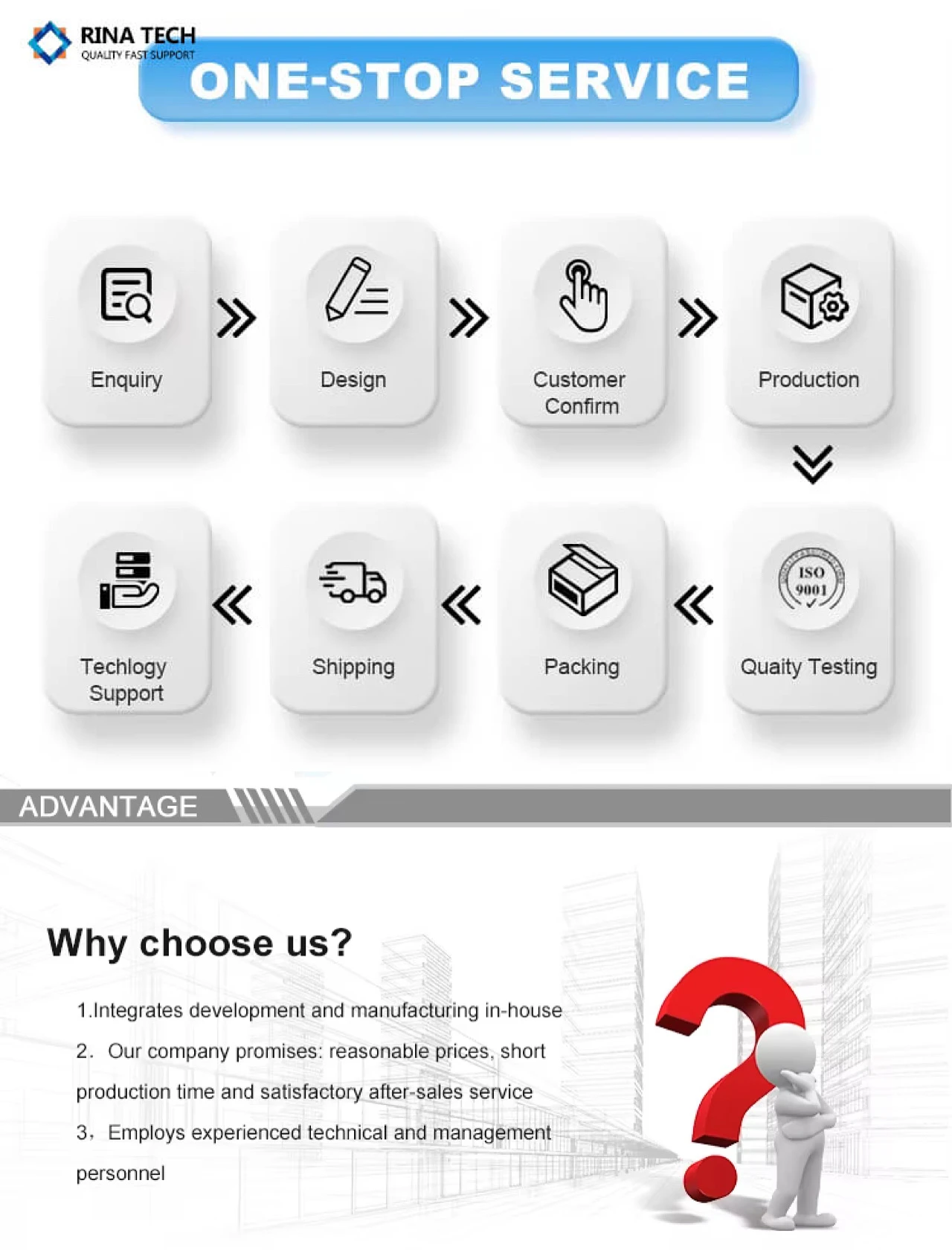
is a high-tech enterprise specializing in research, development, production ,sales of Optical LED products and provide the one step optical lighting solution for customers.Established in 2011, Hong Kong, after years of rapid development, Rina Tech has settled office and factory in Shenzhen,and has professional senior technicians and qualified managers,has a talented team for product research and designing.
Nowadays, we have laser cutting machines, printers, film cutting machines, injection molding equipments,high-standard assembly workshops, BM-7 clean machines and other advanced equipments.
Our factory daily output is more than 80000pcs. to cater for the market at home and abroad.With years of unremitting effort,RINA TECH has passed get the Registration Certificate ofCustoms Declaration Unit of the People's Republic of China , National Credit Cultivation Certificate and Get our own Brand already.
We has made many breakthroughs in researching and manufacturing and has
obtained lots of good reputation from oversea customers.
Now we has cooperated with and become strategic partner of some famous enterprises such as LG, Samsung, Lenovo etc."Living on Sincerity, following with Market, Advancing by Specialty" is our eternal philosophy,and the company motto is "Good at Production, Good for Society".
We look forward to cooperating with you to make the world better and future brighter!
FAQ
Q1: What is the difference between edge-lit and direct-lit TV backlights?
A: In edge-lit TV backlights, the light source is located at the side of the screen and relies on a Light Guide Plate (LGP) to distribute light; the advantages are a slim profile and moderate cost, while the downsides include limited local dimming capabilities and greater difficulty in maintaining uniformity for large-sized screens. In direct-lit TV backlights, LED beads are arranged behind the panel; this eliminates the need for an LGP and enables local dimming, resulting in superior contrast and black-level performance. However, the module is thicker and material costs are higher. Mini LED backlighting is an advanced version of direct-lit technology.
Q2: Can TV backlight specifications-such as brightness, size, and optical design-be customized?
A: Yes. RINA TECH supports full-parameter customization for TV backlights. We can adjust dimensions, brightness, color temperature, and optical film stacks based on customer requirements, offering options for standard color gamuts or wide-gamut quantum dot solutions. We develop both edge-lit and direct-lit structures and provide optical simulation and prototyping services.
Q3: What usually causes screen flickering in TV backlights?
A: Common causes of TV backlight flickering include: ① unstable constant current from the LED driver; ② aging or defective individual LED beads; ③ fluctuations in supply voltage; or ④ a low PWM dimming frequency setting. Troubleshooting should begin with the driver board, followed by checking the consistency of the LED strips; optical films rarely cause flickering issues.
Q4: How can uneven brightness or light spots (mura) in TV backlights be resolved?
A: Light spots and uneven brightness usually stem from the optical structure: defects in the LGP dot pattern design, misalignment of the diffuser film or BEF (Brightness Enhancement Film), wrinkling of the reflector sheet, or poor consistency among LED beads. Improvements can be made by optimizing the optical design, adjusting the film stacking process, and selecting LED beads with better consistency.
Q5: Do TV backlights and OLED screens operate on the same light source principle?
A: No, they do not. LCD TVs rely on a separate backlight module as their light source, with liquid crystal pixels merely controlling the passage of light; in contrast, OLED pixels are self-illuminating and **do not require a backlight**, enabling pixel-level light control and eliminating issues with backlight leakage.
Hot Tags: tv backlight suppliers, factory, customized, price, in stock, LED guide plate