


Custom Backlight
Introducing the Custom Backlight solution, designed to enhance your display experience with personalized lighting options. Our innovative technology allows users to fine-tune brightness, color, and contrast settings tailored to their specific needs, ensuring optimal performance for gaming, professional design, or casual viewing. With features like local dimming and adaptive brightness, the Custom Backlight delivers vivid colors and striking contrasts, transforming how you interact with visual content. Experience a new level of customization that elevates both functionality and aesthetics in your display environments.
- Fast Delievery
- Quality Assurance
- 24/7 Customer Service
Product Introduction
Rina Technology Co., Ltd. is one of the leading manufacturers and suppliers of custom backlight in China. Welcome to wholesale durable products in stock here and get quotation from our factory. All customized products are with high quality and low price.
I, What's the custom backlight ?
Definition:
Customized backlighting refers to the process of tailoring the backlight settings and features of a display to meet specific user needs or preferences. Unlike standard backlighting, which uses uniform brightness and color settings for all content, customized backlighting allows for adjustments in brightness levels, color temperatures, and even specific zone lighting. This adaptability helps enhance the viewing experience by optimizing the display for various applications, such as gaming, graphic design, or watching movies, where different lighting conditions can significantly impact visual performance.
II. Types of LED Backlighting: There are primarily two types of LED backlighting:
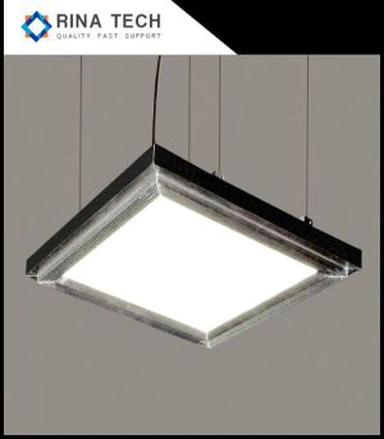
1.Edge-lit LED: LEDs are placed along the edges of the screen, with a light guide to distribute the light evenly across the display. This design allows for thinner screens but may result in uneven brightness in some areas.
2.Direct-lit LED: LEDs are located directly behind the LCD panel, providing more uniform brightness and improved contrast. This design can lead to thicker displays, but it often delivers better overall picture quality.

III. Techniques for Customization
1.Several techniques can be employed to achieve customized backlighting:
Local Dimming: This method involves individual control of LED zones within the backlight. By adjusting the brightness of specific areas of the screen based on the content being displayed, local dimming can improve contrast ratios and enhance the depth of blacks without affecting the overall brightness of the image. For instance, in a scene with bright highlights, the LEDs in those areas can be brightened while dimming the surrounding areas, resulting in a more immersive experience.
2.Color Calibration: Users or display manufacturers can calibrate the color output of the backlighting to match specific standards or personal preferences. This may involve adjusting the hue and saturation of the LEDs to enhance color accuracy, making it crucial for applications like photo editing and graphic design, where precision in color representation is vital.
3.Adaptive Brightness: This involves the backlight automatically adjusting its brightness based on ambient light conditions. For example, a display can dim in low-light environments and brighten in well-lit conditions, ensuring optimal visibility and comfort for the viewer while also saving energy.

Below Subject is talking about the production techniqute of the backlit from RINA TECH.
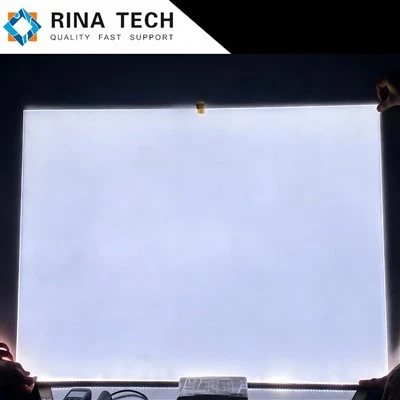
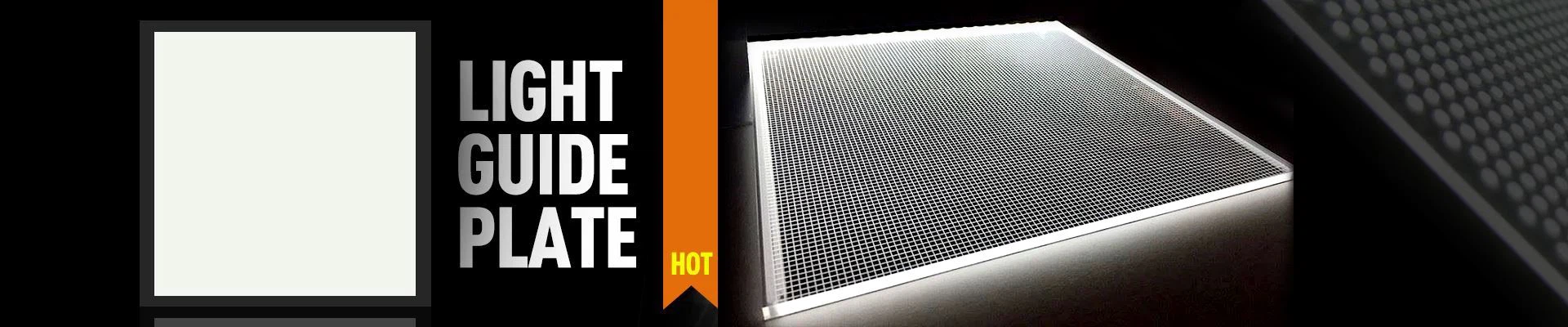
Light guide panels (LGP) are specialized optical components that are primarily used in various lighting applications and electronic devices. They consist of a thin acrylic or polycarbonate substrate that has various surface treatments to manipulate light in a specific way. The following is a list of the surface treatments commonly used in the manufacturing process of LGPs:
1. UV Printing: This is a printing process where a specialized ink is applied to the surface of the LGP. The ink is then cured using UV light to create a durable and precise image. This process is commonly used to create lettering, logos, and graphics on the LGP.

2. Laser Engraving: Laser engraving is a process where a laser beam is used to selectively remove material from the surface of the LGP. This process can create intricate designs and patterns that can manipulate the light in specific ways.

3. Diffusion Coating: This is a process where a specialized coating is applied to the surface of the LGP to scatter the light. This process can create a uniformly illuminated surface with minimal hotspots.
4. Prism Pattern: Prisms are small, angled structures that are created on the surface of the LGP to manipulate the light in a specific way. The pattern can create various lighting effects, such as uniform brightness, brightness gradients, and accent lighting.
5. Matte Finish: A matte finish involves sanding or chemically etching the surface of the LGP to create a diffused surface that reduces glare and hotspots.
Overall, the surface treatment process for LGPs is an important aspect of its overall function and design. Each surface treatment can manipulate the light in specific ways and create unique lighting effects. The LGP is an innovative technology that continues to evolve and become more efficient in the field of lighting and electronic devices.
IV. Benefits of Customized Backlighting:
The ability to customize backlighting offers several advantages:
1.Enhanced Viewing Comfort: By adjusting brightness and color settings according to personal preference and environmental conditions, users can reduce eye strain, especially during extended viewing sessions. Tailored backlighting helps create a more pleasant viewing experience whether in dark or bright settings.
2.Improved Image Quality: Customized backlighting techniques, such as local dimming and color calibration, can significantly enhance the overall image quality by improving contrast, brightness uniformity, and color accuracy. This is particularly important for content that demands high fidelity, like HDR (High Dynamic Range) media, where vivid colors and stark contrasts are essential.
3.Increased Longevity of Display**: Customizing backlighting to suit specific needs can also help prolong the lifespan of a display. By using features like adaptive brightness, users can minimize the risk of burn-in or damage associated with static images while reducing wear on the backlight components, ultimately leading to more sustainable use of electronic devices.
V. Common applications of custom backlight
A. Indoor and outdoor lighting
B. Home decor
C. Gaming peripherals
D. Automotive industry
E. Advertising and branding
RGB LED backlit technology has gained widespread popularity due to its versatility and wide range of applications. Some of the most common applications of RGB LED backlit are:
A. Indoor and outdoor lighting: One of the most common applications of RGB LED backlit is in indoor and outdoor lighting systems. RGB LED backlit can be used to create stunning lighting effects and enhance the mood of any space. It is energy-efficient and does not emit heat, making it a popular choice among homeowners and business owners.
B. Home decor: RGB LED backlit is also widely used in home decor. It can be used to create a variety of lighting effects that can enhance the look and feel of any room. RGB LED backlit strips can be installed under cabinets, on shelves, and around furniture to add a pop of color and create a unique ambiance.
C. Gaming peripherals: RGB LED backlit is also popular in gaming peripherals. Keyboards, mice, and headsets with RGB LED backlit offer gamers a more immersive gaming experience. They can be customized with different lighting effects and colors to match the game's aesthetic.
D. Automotive industry: RGB LED backlit is also used in the automotive industry. Car manufacturers use RGB LED backlit to create stylish and functional lighting features such as ambient lighting, headlights, and taillights. RGB LED backlit is also used in interior lighting to create a more comfortable driving experience.
E. Advertising and branding: RGB LED backlit is used in advertising and branding to create eye-catching displays and signage. It can be used to create dynamic and colorful advertising displays that stand out from the competition. RGB LED backlit is also used in branding to create a strong visual identity for a company or brand.
In conclusion, RGB LED backlit technology is widely used in various industries due to its versatility, energy efficiency, and ability to create stunning lighting effects. Its applications range from indoor and outdoor lighting, home decor, gaming peripherals, automotive industry, and advertising and branding.

VI. Maintenance and repair of custom backlight
1. Regular Cleaning and Maintenance:
Dust and Debris Removal: Over time, dust and debris can accumulate on the surface of screens and within the device casing, potentially obstructing light flow and degrading image quality. Regularly cleaning the exterior of the display with a soft, lint-free cloth can help prevent buildup. It's also advisable to perform periodic internal cleaning by opening the device (if possible and safe) and using compressed air to gently remove dust from ventilation areas and internal components. However, caution should be exercised, as opening devices may void warranties or lead to further damage if not done carefully.
Software Maintenance: Keeping the display's firmware and any associated software up to date can enhance the performance of customized backlighting features. Manufacturers often release updates that improve calibration, fix bugs, and optimize functionality. Regularly checking for these updates and applying them ensures that users benefit from the latest enhancements and fixes.
2. Monitoring Backlight Performance:
Visual Inspection: Users should routinely check for any irregularities in backlight performance, such as uneven brightness, flickering, or color discrepancies. Keeping an eye on changes in display quality can help identify potential issues early. For instance, if certain areas of the screen appear dimmer or brighter than others, it could indicate a problem with the LED zones or driver circuitry.
Using Calibration Tools: Various calibration tools and software can help monitor and adjust the performance of the backlighting system. Colorimeters and spectrophotometers are commonly used for checking color accuracy and backlight intensity, allowing users to make necessary adjustments or calibrations to maintain optimal performance.
3. Repairing Backlight Issues:
Diagnosing Problems: When issues arise, it's important to diagnose the root cause effectively. Common problems may include failure of specific LED zones, damaged circuitry, or malfunctioning drivers. A multimeter can be useful for testing electrical connections and ensuring that power is being delivered correctly.
Component Replacement: For damaged or failing backlight components, such as LEDs or driver circuits, replacements may be necessary. Depending on the device's design, this could involve disassembling the panel to access internal components. Users should follow manufacturer guidelines or seek professional repair services if they are uncomfortable performing these tasks. Replacement parts need to be compatible with the specific model to ensure proper functionality.
4. Professional Repair Services:
Consulting Experts: If the repairs are beyond a user's skill set or require specialized tools, it may be best to consult with professional technicians who specialize in display repairs. These experts have the knowledge and experience to handle complex issues and can often provide a quicker, safer solution compared to DIY repairs.
Warranty Consideration: Before seeking repairs, users should check if their device is still under warranty. Many manufacturers offer repair services for covered issues, which may include backlight problems. Utilizing warranty services can save costs and ensure repairs are performed to the manufacturer's standards.
Maintaining and repairing custom backlighting requires a combination of regular care, careful observation, and sometimes professional assistance to ensure the best performance and longevity of display devices. If you need further details or assistance regarding any specific issue, let me know!
VII Conclusion
A. Summary of benefits and applications of custom bakelight
B. Techniques for Customization
C. Maintenance and repair of custom backlight
In conclusion, custom backlight provides numerous benefits and applications in various settings, including entertainment, advertising, automotive, and interior design. The technology allows for multiple color options, energy efficiency, and durability, making it a popular alternative to traditional lighting systems.
As technology continues to advance, we can expect future trends in custom backlight technology to focus on improving color accuracy, increasing brightness, and reducing costs. This will lead to even broader applications of custom backlight in various industries.
We encourage individuals and businesses to explore and implement custom backlight in their settings. With the many benefits that come with this technology, it can make a significant impact on enhancing the visual appeal of a space while also being eco-friendly and cost-effective. Let's embrace the future of custom backlight technology and its potential improvements.
Below sharing some Corners of the factory of RNA Technology ,Who is trusted backlit supplier in Shenzhen China with 13year experience in the backlight line. The product exported to more than 35 countries till now.


Hot Tags: custom backlight suppliers, factory, customized, price, in stock, LED guide plate