

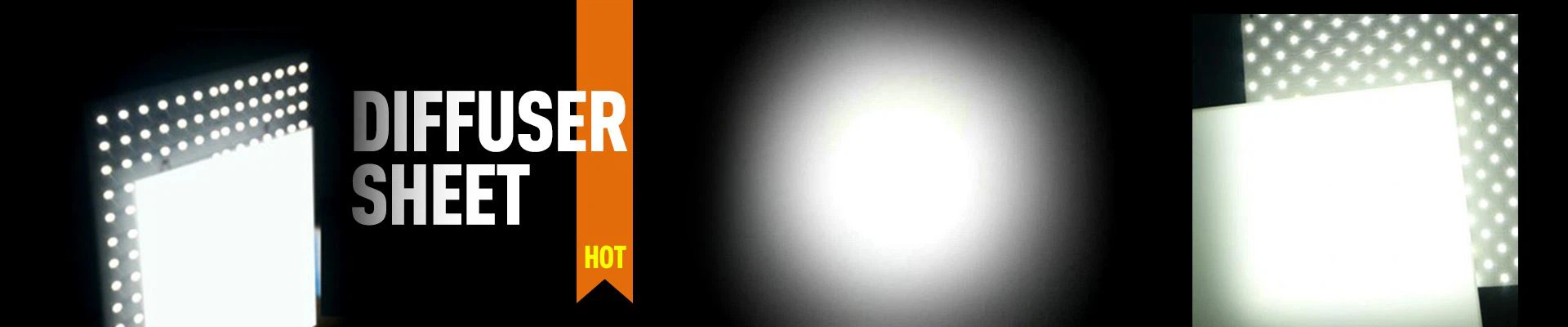


Sand Surface Diffuser Plate
Sanded acrylic diffuser is a high-performance lighting component widely used in LED lighting. Made of high-quality acrylic material, the diffuser has a special surface treatment to give it a delicate sanded effect. Under the illumination of the light source, the sanded design can effectively scatter light and eliminate direct glare, thereby achieving uniform light distribution and improving visual comfort. Sanded acrylic diffuser is very suitable for office spaces, store displays, home lighting and other places. It not only improves the light quality, but also adds a modern and visual aesthetic to the environment. Choose a sanded acrylic diffuser to enjoy the perfect combination of high-quality light and outstanding design to enhance your lighting experience.
- Fast Delievery
- Quality Assurance
- 24/7 Customer Service
Product Introduction
Rina Technology Co., Ltd. is one of the leading manufacturers and suppliers of sand surface diffuser plate in China. Welcome to wholesale durable products in stock here and get quotation from our factory. All customized products are with high quality and low price.

Application Range of Acrylic Diffuser
Acrylic diffusers find extensive applications across various industries due to their versatility and excellent light transmission properties. Common application areas include:
LED Lighting:
Commercial Lighting: Used in LED panel lights, troffers, and downlights for offices, retail spaces, and public buildings to achieve uniform illumination.
Residential Lighting: Incorporates in ceiling fixtures, pendant lights, and under-cabinet lighting in homes, enhancing aesthetics while providing even lighting.
Architectural Lighting:
Design Elements: Used in architectural designs to create modern and elegant lighting fixtures. The diffusers soften harsh light and add an ambient glow.
Skylights and Windows: Employed in skylights or windows to diffuse sunlight effectively, reducing glare while increasing natural light penetration.
Signage and Display:
Illuminated Signage: Acrylic diffusers are used in backlit signs and displays, helping the letters and graphics to appear vibrant and evenly lit.
Retail Displays: Enhances visual merchandising by providing uniform lighting on products, highlighting their features effectively.
Industrial and Specialty Lighting:
Workshops and Factories: Used in high-bay fixtures and industrial lighting systems to provide brighter, more diffused light over large areas for safety and efficiency.
Photography and Film: Diffusers are commonly used in studios to soften lighting and minimize shadows, creating a more flattering light on subjects.
Healthcare Facilities:
Medical Lighting: In hospitals and clinics, acrylic diffusers are used to create comfortable lighting environments, reducing glare and providing soothing aesthetics.
Automotive Applications:
Car Interiors: Acrylic diffusers are used in automotive lighting systems, such as dashboard lights and ambient interior lighting, ensuring an even distribution of light.
Material Composition of Acrylic Diffuser
Acrylic diffusers are primarily made from acrylic polymers, which offer a combination of transparency, strength, and versatility. Key components include:
Acrylic Resin:
Methyl Methacrylate (MMA): The main component of the acrylic material, providing clarity, durability, and UV resistance.
Additives: Various additives may be included to enhance properties such as impact resistance, UV stabilization, and color filtering.
Surface Treatments:
Texturing: The surface of the acrylic sometimes undergoes texturing or frosting processes to create the desired diffusion effect. This can include sandblasting, engraving, or applying a matte finish.
Coatings:
UV Coatings: Some acrylic diffusers may have UV-resistant coatings applied, extending their lifespan when exposed to sunlight and reducing yellowing over time.
Colorants:
Dyes or Pigments: For colored diffusers, specific dyes or pigments are added to the acrylic resin during manufacturing to achieve various hues and effects.


Production Process of Acrylic Diffuser
The production process of acrylic diffusers involves several stages, which are outlined below:
Material Selection:
Choose high-quality acrylic sheets based on thickness and optical clarity. Common thicknesses for diffusers range from 2mm to 10mm, depending on the application.
Cutting:
Acrylic sheets are cut to the desired dimensions using laser cutting or CNC machines. This ensures precision and clean edges, which are crucial for effective light diffusion.
Surface Treatment:
The surfaces of the acrylic pieces are treated to achieve the desired finish.
Frosting or Texturing: This can involve blasting, sanding, or applying specific coatings to create a matte finish that enhances light diffusion.
Polishing: Edges may be polished to create smooth, aesthetically pleasing surfaces.
Forming:
If custom shapes are required, acrylic pieces may be heated and formed into specific profiles using molds. This process can create curves or specific designs to fit unique fixtures.
Quality Control:
Finished diffusers undergo quality checks for optical clarity, light diffusion quality, and surface imperfections. This ensures that the products meet industry standards.
Assembly:
Diffusers are assembled with accompanying fixtures such as LED panels or frames. Proper fitment is crucial to prevent light leakage and ensure optimal performance.
Packaging:
After quality assurance, the diffusers are carefully packaged to prevent damage during transportation. Protective materials may be used to ensure they arrive at the destination in perfect condition.
Distribution:
The packaged diffusers are then shipped to retailers, manufacturers, or end users, completing the production cycle.
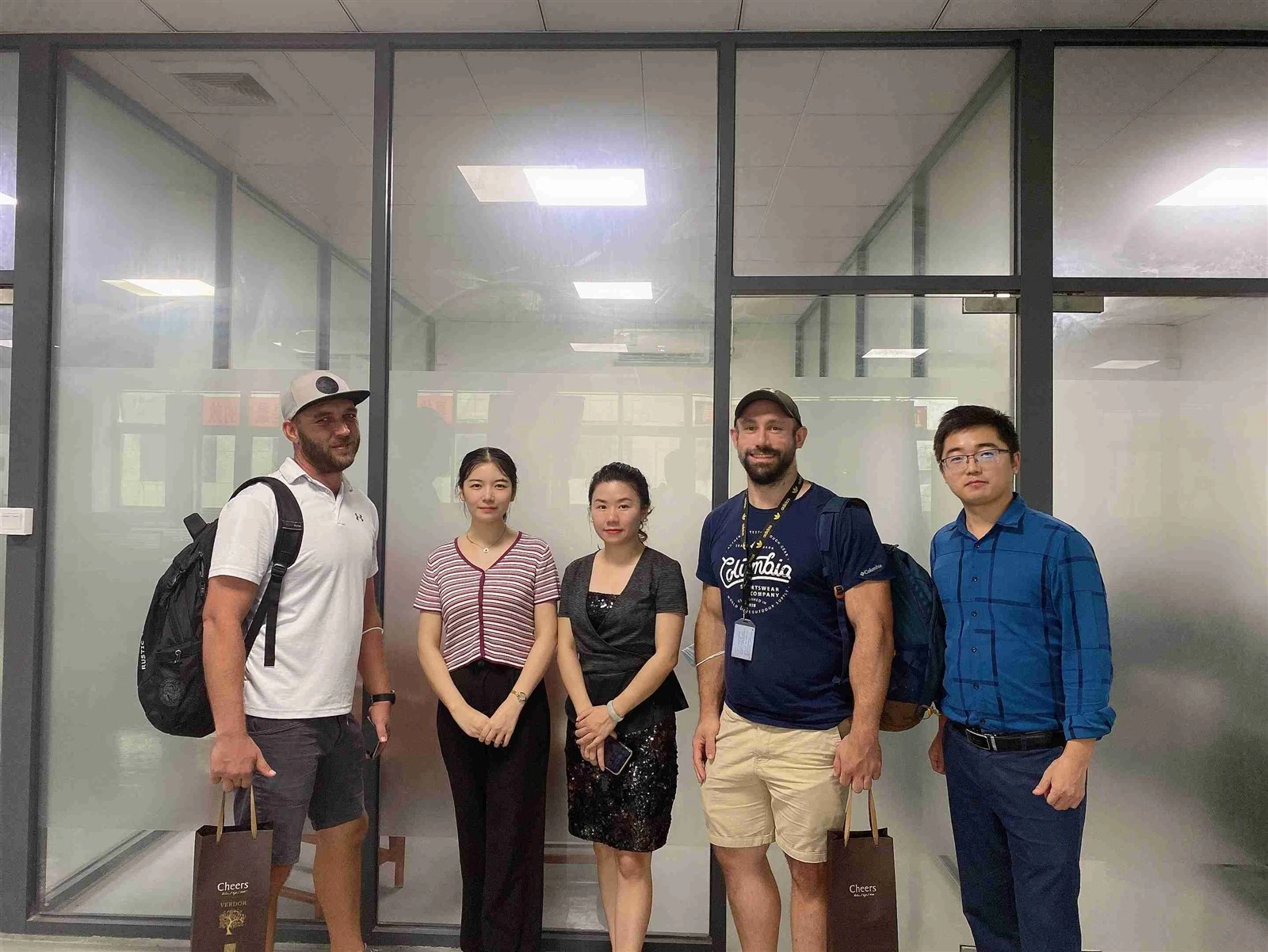
RINA TECHNOLOGY
is a high-tech enterprise specializing in research, development, production , sales of Optical LED products and provide the one step optical lighting solution for customers. Established in 2011, Hong Kong, after years of rapid development, Rina Tech has settled office and factory in Shenzhen, and has professional senior technicians and qualified managers, has a talented team for product research and designing. Nowadays, we have laser cutting machines, printers, film cutting machines, injection molding equipments, high-standard assembly workshops, BM-7 clean machines and other advanced equipments. Our factory daily output is more than 80000pcs. to cater for the market at home and abroad. With years of unremitting effort,RINA TECH has passed get the Registration Certificate of Customs Declaration Unit of the People's Republic of China , National Credit Cultivation Certificate and Get our own Brand already. We has made many breakthroughs in researching and manufacturing and has obtained lots of good reputation from oversea customers. Now we has cooperated with and become strategic partner of some famous enterprises such as LG, Samsung, Lenovo etc. "Living on Sincerity, following with Market, Advancing by Specialty" is our eternal philosophy, and the company motto is "Good at Production, Good for Society". We look forward to cooperating with you to make the world better and future brighter!
Our certificates

Shipping and payment

Packing of diffuser

FAQ
1. What are the advantages of acrylic diffusers?
High light transmittance: high-quality acrylic diffusers usually have a light transmittance of more than 90%, effectively transmitting light.
Lightweight and easy to process: Compared with glass, acrylic is lighter, convenient to transport and install, and easy to cut and shape.
Durability: impact-resistant, UV-resistant, long-lasting, suitable for various environments.
Aesthetics: Different colors and surface treatments can be provided according to design requirements to meet different decoration styles.
2. Can acrylic diffusers be used in outdoor environments?
Although acrylic diffusers have certain weather resistance, long-term exposure to strong sunlight, humidity or extreme climates may cause aging and discoloration. Therefore, it is recommended to use UV-resistant and waterproof acrylic diffusers specially designed for outdoor environments.
3. How is the heat resistance of acrylic diffusers?
Acrylic diffusers have good heat resistance, but their operating temperature range is usually between -30°C and 80°C. Under high temperature conditions, deformation may occur. Therefore, it is necessary to avoid direct contact between high temperature sources and the diffuser.
4. Can acrylic diffusers be used in high-power LED lamps?
Yes, but it is necessary to ensure that the selected acrylic diffuser has good heat dissipation performance to avoid affecting the performance and life of the diffuser due to excessive temperature. It is very important to properly design the ventilation and heat dissipation measures of the lamp.
5. How to choose a suitable acrylic diffuser?
When choosing a suitable acrylic diffuser, you can consider the following factors:
Optical properties: light transmittance and uniformity of light.
Thickness: Choose the appropriate thickness according to the specific application.
Surface treatment: Choose the appropriate surface texture to meet the needs of light diffusion.
Size and shape: Determine the size according to the lamp design requirements.
Hot Tags: sand surface diffuser plate suppliers, factory, customized, price, in stock, Light Diffuser Plate


